What is the Dental Crown Procedure?
What Steps are Involved in Preparing a Tooth for a Crown?
In most instances, a dental crown will take 2 trips to the dentist to install, the first for examination and preparation, and the second for installation.
-
Trip 1: Examination and Preparation
In your initial visit, your dentist will examine the damaged or cracked tooth possibly using X-rays. This is done to determine the extent of damage and see if any other treatments, including a root canal, may be necessary before your crown is fitted.
After the examination and any necessary pre-treatments are completed, your dentist will file down the outer layer of your tooth, removing damaged parts and giving the crown space to fit.
An impression will then be taken of the trimmed tooth, and a temporary crown will be fitted to protect your filed tooth from becoming damaged. This impression will be sent to a dental technician lab which will make your permanent crown. This process will vary in length but can take several weeks.
This impression will be sent to a dental technician lab which will make your permanent crown. This process will vary in length but typically takes two to three weeks.
-
Trip 2: Installing Your Permanent Crown
Your second visit will be much simpler and involve the fitting of your crown. Using a strong adhesive, your dentist will attach the dental crown to the affected tooth, protecting it from future damage.
If you are wondering 'how long does a dental crown last', this will differ depending on the materials used. Metal and PFM crowns will tend to last longer than those made of porcelain or resin.
Alternatives to Dental Crowns
Veneers vs. Crowns – How to Choose the Best Option
Though they may appear similar, teeth veneers and dental caps have very different uses and are generally not interchangeable:
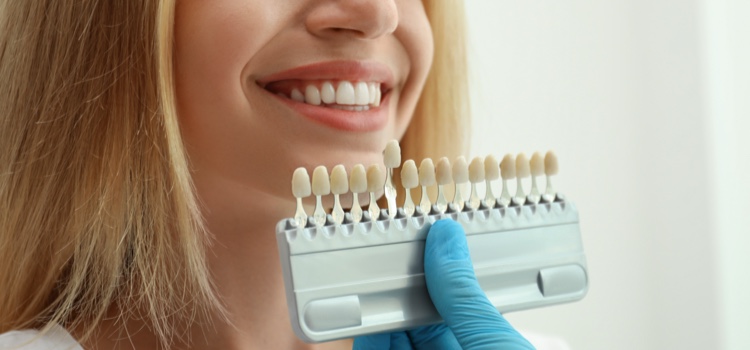
- Veneers are thin shells that cover the front surface of your teeth. They are typically used for cosmetic reasons but can also cover small chips or cracks.
- Dental caps are tooth-shaped caps that cover the entirety of a tooth. They are used to seal teeth after procedures such as root canals or to strengthen badly damaged or cracked teeth.
What is the Most Common Alternative to a Crown?
The most common alternatives to dental crowns include:
-
Inlays or Onlays
Sometimes, a tooth may be too damaged for a filling but not yet at the stage where a crown is necessary. In this instance, a dentist may opt for an inlay or an onlay. Inlays fill gaps within teeth, whereas an onlay is fitted into gaps and covers the chewing surface of a tooth.
-
Tooth Extractions and Dental Implants
A seriously damaged or cracked tooth may be beyond saving and need extraction. In these cases, crowns will not be recommended, and instead, the tooth will be completely removed and replaced with a dental implant.
What are the Pros and Cons of Dental Crowns?
Disadvantages of Dental Crowns – Complications
Although a dental crown is typically a reliable treatment, there are potential complications of the treatment, including:
- Improper fitting leading to discomfort
- Covering areas of decay, which may lead to infection
- Allergic reactions to materials in the dental crown
- Sensitivity to hot and cold food or drink
A dental crown should not be placed on a tooth with untreated decay; it can lead to infection and gum disease. Learn the symptoms of gum disease with our guide.
Advantages of Dental Crowns
There are many advantages to dental crowns:
- Protecting the covered tooth surface from future cavities and decay.
- Improving the appearance of teeth that have decayed.
- Reinforcing weak teeth and helping prevent a cracked tooth.
Some dental crowns can last as long as 15 years, making them a long-term solution to weakened teeth and a good way to prevent further damage.
Dental Crown Care and Recovery
In most cases, recovery from a dental crown fitting is easy, and most people can immediately return to normal life. During the days after the procedure, you may experience some swelling or soreness around the affected tooth, but this should disappear in a few days and can be helped by OTC pain medications.
You may also want to avoid any hot or cold, sticky, or hard foods as they could dislodge the crown or cause tooth sensitivity.
Smile Bright with Oral-B
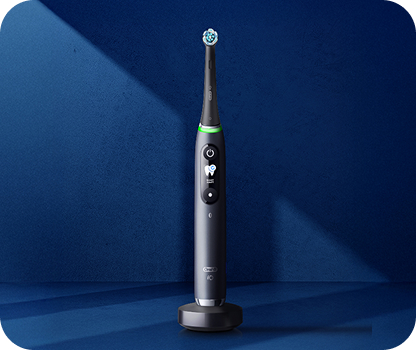
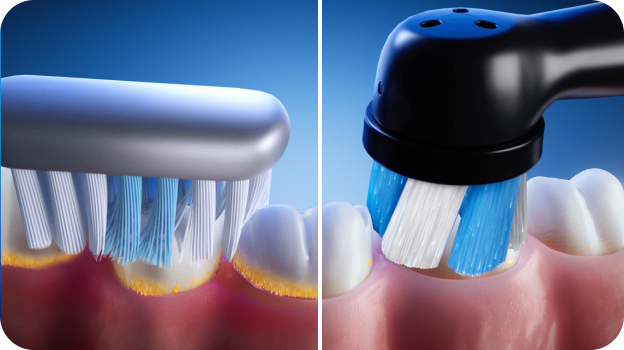
Dental crowns play an important role in restoring damaged teeth, helping protect them from further wear while improving function and appearance. To maintain the health of a crowned tooth and the surrounding teeth, a consistent oral care routine is essential. Electric toothbrushes like the Oral-B iO Series electric toothbrushes are designed with features such as micro-vibrations and a round brush head to help clean along the gumline, including around crown margins, where plaque can accumulate.
Oral-B also encourages regular dental check-ups, which are important for monitoring crown integrity and overall oral health. Professional care helps ensure crowns remain in good condition and allows early identification of any issues. Using an electric toothbrush alongside a toothpaste such as Crest Gum Detoxify, which is formulated to help reduce plaque bacteria around the gumline, and maintaining consistent dental visits can support overall oral hygiene and gum health.