Ptyalism: Causes, Treatment, and Prevention

Summary
Key Takeaways
- Ptyalism is hypersalivation, when your mouth makes too much saliva, and poor clearance of saliva, when you can’t swallow the saliva that’s in your mouth fast enough.
- Common causes of ptyalism are pregnancy, reflux, medications, or infections.
- Easy remedies and tips to reduce or manage triggers include managing reflux, diet and medication side effects. Drinking water, chewing gum, and changing sleeping positions can also help.
- Drooling can lead to skin problems, health issues, like pneumonia, and emotional stress.
- If the condition is persistent or impacting your daily life, see a healthcare professional.
- Speech therapy and occupational therapy can help improve muscle control.
- Medical solutions include prescribed anticholinergic medication, Botox, and surgery in rare cases.
Table of Contents

This blog has been reviewed and approved by Dr Robert Lee, a dental professional of 35 years
LEARN MORE >Key Takeaways
What Is Ptyalism?
Saliva is necessary and does a lot. It helps digest food, keeps your teeth clean, and protects your mouth. Ptyalism is when the amount of saliva outpaces your ability to swallow, or it runs out of your mouth. It’s also known as true hypersalivation. The symptom of having excess saliva in the mouth is broadly termed sialorrhea, which can be caused by either overproduction of saliva (ptyalism/hypersalivation) or the inability to clear saliva effectively (pseudo sialorrhea). Some people produce close to a liter or more saliva per day, while those with ptyalism or hypersalivation can produce up to five liters. It’s more common in babies and during sleep, but if it’s persistent in adults or teens, it usually means there’s an issue that needs to be addressed.
Common Causes of Ptyalism
There are several things that can lead to Ptyalism.
- Pregnancy (ptyalism gravidarum)
It is a common symptom affecting a notable percentage of pregnant women. Hormonal shifts and nausea and vomiting in the first trimester are believed to be the likely cause. It typically eases after weeks 15-20. - Acid Reflux (GERD)
The mouth produces extra saliva to buffer stomach acid. Excess saliva also protects the throat from stomach acid irritation. - Medications and toxins
Some psychiatric medications can trigger ptyalism, including Clozapine and Risperidone. Other things that could be triggers are cholinergic medications (which are used to treat dry mouth and urinary retention), heavy metals, and organic poisons. - Infections or Oral Irritation
Tonsilitis, strep throat, mouth sores, or allergies can be causes of ptyalism. - Neurological Issues or Swallowing Disorders
Some conditions hamper muscle control, making swallowing saliva difficult, such as Parkinson’s, cerebral palsy, ALS, or if you’ve had a stroke. Muscle or nerve issues can affect your ability to swallow, including facial paralysis and nerve palsies.
At-Home Treatments

- Sip water often: This helps keep your mouth manageable.
- Chew sugar-free gum or use lozenges: can encourage swallowing. They keep saliva moving without upsetting the stomach.
- Brush and floss more often: A clean mouth makes it easier to swallow and gives saliva less to cling to.
- Cut back on triggering foods that stimulate saliva production: These include foods that are acidic, salty, sweet, or spicy.
- Drink tart or astringent drinks: these can help thin the saliva and make the mouth feel less full. Examples include seltzer, and very small amounts of diluted lemon or cranberry juice.
- Shift your sleeping posture: Sleeping on your side can increase drooling and allows saliva to dribble out naturally by gravity. Instead, try sleeping on your back.
- Use oral motor strategies: These help muscle strength, so try tongue control exercises and swallowing exercises.
- Behind-the-Ear Patches or Antihistamines: may reduce saliva during pregnancy. Consult a healthcare provider about options such as prescription Scopolamine patches (used to treat motion sickness) or certain antihistamines.
- Manage reflux and allergies: keeping GERD and allergies in check can keep saliva production at bay
Medical Treatments

- Anticholinergic medication: reduce saliva production including Glycopyrrolate, Scopolamine and Atropine sulfate. Note that these may cause dry mouth or constipation.
- Botulinum toxin A (Botox) injections: Injected into the salivary glands, it reduces salivary gland activity and the effects can last several months.
- Speech or swallowing therapy and oral appliances: help build muscle control to properly manage saliva and help encourage lip closure or improve swallowing.
- Surgery: for severe cases, can be used as a last resort. It often involves rerouting ducts and removal of glands.
- Radiation: Therapy is sometimes used for serious cases involving palliative care. Ablation is a minimally invasive surgical procedure used in children to shrink glands via image-guided injections.
Do I Need to Treat It?
Yes. It’s important to get it under control because severe or chronic drooling can lead to health and other problems:
- Angular cheilitis, a skin irritation with painful, cracked sores in the corners of the mouth and around the mouth and chin
- Excess saliva can be aspirated into the lungs causing aspiration pneumonia
- Social discomfort and embarrassment. Drooling is hard to overcome in social settings and creates an emotional toll for those dealing with social anxiety or isolation
Prevention and Smart Habits
✔ Identify and treat root causes
Taking care of health issues can help, such as fixing reflux, clearing infections, allergy-proofing your home, and reviewing any medications with your doctor.
✔ Eat smart
Stay hydrated and minimize saliva-stimulating foods. Avoid starch and sugar, and eat bland, low-acid meals. Also, eat small meals more often.
✔ Keep up with oral hygiene
Consistent brushing and flossing help keep it at bay. Carrying a travel toothcare kit can be helpful, so you’re always ready to take care of your oral hygiene.
✔ Use practical tools
Keep tissues, bibs, or towels handy to deal with the saliva. Lavalier towels or gaiter bibs can also be useful.
✔ Seek help with swallowing and muscle control
Speech-language pathologists can teach muscle and behavior strategies.
✔ Track patterns
Keep track of when drooling worsens. Is it at night, after meals, or while sleeping? You can change your routines and keep track of any improvements, such as changing sleep position, increasing hydration or doing gentle exercises.
Summary
Ptyalism is when your mouth produces more saliva than usual, or you can’t swallow it fast enough. It often shows up during pregnancy, reflux, infections, medication side effects, or when swallowing muscles don’t work properly. While it’s rarely dangerous, it’s disruptive and often embarrassing.
You can manage it with easy lifestyle tweaks like sipping water, chewing sugar-free gum, practicing good oral care, and avoiding trigger foods. Remedies like scopolamine patches or antihistamines may help with pregnancy hypersalivation, while persistent cases may be eased with anticholinergic medications, Botox, speech therapy, or in severe situations, surgery.
Prevent ptyalism by keeping reflux and allergies in check, maintaining oral hygiene, and managing stress. If ptyalism is persistent or causing problems, consult a dental or healthcare provider to discuss individual treatments. Often, the right combination of simple habit modification, muscle training, and medical help can make a big difference.
Oral Health Issues and How to Prevent Them
Common oral health issues can include cavities and tooth decay, gum disease, staining and sensitivity. The main culprit of which is often plaque buildup—a sticky film of bacteria that forms on teeth. If not treated, these conditions can lead to tooth loss and may even affect your overall health.
By following a complete oral care routine, you can help nip these issues in the bud, for a stronger, healthier smile:
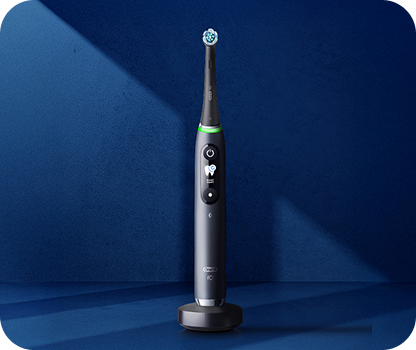
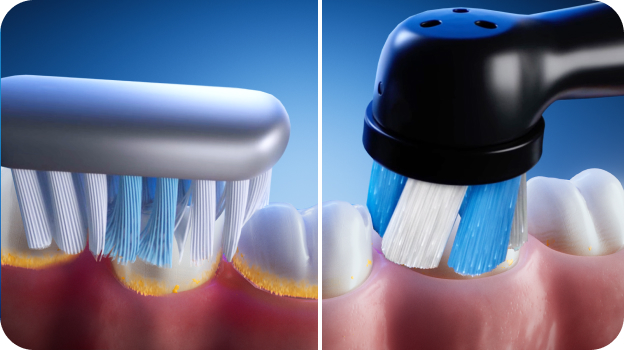
- Brush 2X/day with an Oral-B iO Electric Toothbrush: An electric toothbrush, like an Oral-B iO, helps remove 100% more plaque than a regular manual toothbrush. The dentist-inspired round brush head surrounds each tooth as it adapts to the curves of teeth and gums to ensure a cleaner, healthier smile—even in hard-to reach areas.
- Protect Your Smile with Crest Pro-Health Toothpaste: Make sure to brush twice a day with a stannous fluoride toothpaste. A Crest toothpaste formulated with stannous fluoride helps fight cavities and tooth decay, keeps enamel strong, fights sensitivity, and provides lasting protection against plaque buildup when used twice daily.
- Rinse with Crest Pro-Health Mouthwash: Swish with an antibacterial mouthwash to rinse away leftover plaque, support gum health and leave your mouth feeling clean and fresh.
- Pair String Floss with an Oral-B Water Flosser: Flossing once daily helps dislodge plaque and debris from between teeth. Adding a water flosser to your routine can help remove any leftover food particles and plaque buildup for an added layer of protection.
By following a thorough oral care routine at home and visiting your dental professional at least twice a year, you can reduce the risk of developing tooth decay, gum disease, and protect your smile for years to come.
FAQs
-
What causes ptyalism in pregnancy?
-
When does ptyalism in pregnancy end?
-
How to treat ptyalism?
Sources
- https://my.clevelandclinic.org/health/symptoms/22384-drooling
- https://www.healthline.com/health/dental-and-oral-health/hypersalivation
- https://pmc.ncbi.nlm.nih.gov/articles/PMC11563533/
- https://pmc.ncbi.nlm.nih.gov/articles/PMC3364630/
- https://www.ada.org/resources/ada-library/oral-health-topics/home-care
- https://www.cdc.gov/oral-health/prevention/oral-health-tips-for-adults.html
- https://my.clevelandclinic.org/health/treatments/16914-oral-hygiene
- https://www.mayoclinic.org/healthy-lifestyle/adult-health/in-depth/dental/
- https://www.nidcr.nih.gov/health-info/oral-hygiene
Biesbrock, A. R., et al. (2025). Randomized clinical trial evaluating kinetic benefits of desensitizing agents: Magnitude, onset, and stability of relief. Journal of periodontology, 10.1002/JPER.24-0688. Advance online publication. https://doi.org/10.1002/JPER.24-0688
He, T., et al. (2022). Novel findings on anti-plaque effects of stannous fluoride. American Journal of Dentistry, 35(6), 297–307. https://pubmed.ncbi.nlm.nih.gov/36508185/
Kiesow, A., et al (2024). High-Resolution Characterization of Enamel Remineralization Using Time-of-Flight Secondary Ion Mass Spectrometry and Electron Microscopy. Caries Research, 58(4), 407–420. https://doi.org/10.1159/000535979
Zou, Y., et al. (2024). A meta-analysis comparing toothbrush technologies on gingivitis and plaque. International Dental Journal, 74(1), 146-156. https://doi.org/10.1016/j.identj.2023.06.009
Table of Contents
- What Is Ptyalism?
- Common Causes of Ptyalism
- At-Home Treatments
- Medical Treatments
- Do I Need to Treat It?
- Prevention and Smart Habits
- Summary
- Oral Health Issues and How to Prevent Them
-
- FAQs
- Sources

This blog has been reviewed and approved by Dr Robert Lee, a dental professional of 35 years
LEARN MORE >
Sign Up
to get tips about healthy teeth, expert advice, and exclusive offers.
Sign Up
to get tips about healthy teeth, expert advice, and exclusive offers.