How To Use a Tongue Scraper: A Simple Step-By-Step Guide

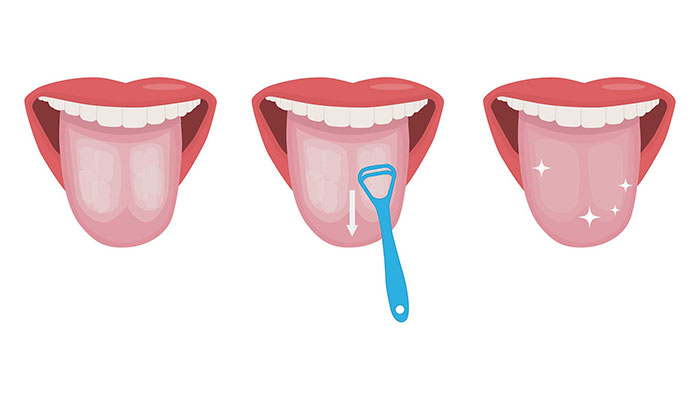
How-to guide showing three steps to tongue scraping
Last Updated : December 11, 2025

Summary

Adding a tongue scraper to your daily routine might be the thing you need to elevate your oral hygiene to the next level. This simple tool helps remove bacteria, dead cells, and food particles from your tongue, leaving you with fresher breath and a cleaner mouth. In this article, we'll walk you through the steps of using a tongue scraper effectively, explore its benefits, and offer tips for incorporating it into your daily routine, as well as things to look out for to make scraping comfortable and worth the effort.

Key Takeaways

  • Find a comfortable, durable tongue scraper that suits your preferences and you’ll be more inclined to use it.
  • Scrape gently, going from the back to the front of your tongue, and rinse the scraper in between passages.
  • Incorporate tongue scraping into your daily routine, because it contributes to optimal oral health benefits.
  • Maintain a comprehensive oral hygiene routine, including brushing and flossing, along with tongue scraping.
  • Consult with a healthcare professional for any specific health concerns you may have before starting regular tongue scraping.

Table of Contents

drlee-image

This blog has been reviewed and approved by Dr Robert Lee, a dental professional of 35 years

LEARN MORE >

Key Takeaways

What Is a Tongue Scraper?

A tongue scraper is a tool designed to clean the surface of your tongue. It is typically made from metal materials like stainless steel or copper, or plastic, and comes in a variety of shapes. Its primary purpose is to remove the buildup of bacteria, food particles, and dead cells that accumulate on the tongue, especially overnight.

Scrapers can be made from metal or plastic. Stainless steel and copper scrapers are durable and last longer. They’re easy to clean, and many are dishwasher safe. Plastic scrapers are cheaper and need to be replaced more often

A Step-By-Step Guide to Using a Tongue Scraper

It’s important to choose the right scraper for both comfort and effectiveness. Start by selecting a tongue scraper that feels comfortable and fits in your mouth. Also, ensure the scraper covers the width of your tongue. Now you’re ready to go.

  • Scrape Before You Brush: Use your tongue scraper before brushing your teeth. This removes the large layer of bacteria and debris from your tongue first, preventing you from simply moving it around your mouth with your toothbrush or swallowing it
  • Stick Out Your Tongue: Extend your tongue fully so that the entire surface is accessible
  • Position the Scraper: Place the scraper at the back of your tongue, as far back as you can comfortably reach
  • Scrape Gently: Apply light pressure and gently pull the scraper forward along the surface of your tongue
  • Repeat: Do this 2-3 times, rinsing the scraper under warm water after each pass to remove collected bacteria and debris
  • Rinse Your Mouth: After scraping, rinse your mouth with water to remove any remaining particles
  • Clean the Scraper: Rinse the scraper thoroughly after each use
  • Store it in a clean, dry place: This helps maintain hygiene and prolongs the lifespan of the scraper

Benefits of Tongue Scraping

Excited woman sticking out her tongue and holding up her tongue scraper

There are several benefits of tongue scraping that make it worth incorporating into your oral health routine.

  • Fresher Breath: Removes odor-causing bacteria and debris.
  • Oral Health: Reduces the overall bacterial load in your mouth. By removing bacteria that can contribute to issues like halitosis, tongue scraping complements brushing and flossing for a healthier oral environment.
  • Enhanced Taste Sensation: Removing the coating on your tongue can improve your sense of taste, allowing you to enjoy flavors more vividly. Your tongue may be better able to taste bitter, sweet, salty, and sour.
  • Cleaner Tongue Appearance: Consistent scraping cleans the white coating on the tongue that develops from bacterial buildup and helps maintain a clean and healthy-looking tongue.
  • More Effective on Halitosis: Scraping can be more effective than brushing to reduce sulfur compounds responsible for halitosis. Of course, cleaning your tongue with a toothbrush is better than not cleaning it at all, but using a tongue scraper is more effective.
  • Possible Improved Digestion: Removing a coating of bacteria and debris from the tongue, in addition to enhancing taste, can help stimulate saliva production, which in turn, can support digestion. More research is needed to confirm the benefits of tongue scraping on digestion and gut health.

When To Scrape and How Often?

Ideally, scrape your tongue twice daily, once in the morning after waking up and once before bedtime. This removes the buildup of bacteria and debris that accumulates overnight and throughout the day.

Tips and Precautions

  • Be Gentle: Avoid applying excessive pressure while scraping which can irritate or damage the delicate tissues of your tongue.
  • Start Towards the Middle: Putting the scraper at the back of your tongue may cause you to gag or vomit. So when you first start scraping, try scraping from the middle of your tongue to the tip. Gradually scrape from farther back as you get used to it.
  • Be Careful of Cutting Your Tongue: Inspect your tongue scraper for any uneven or rough edges and replace your scraper if any are present
  • Scrape to Complement Your Oral Hygiene Routine: Tongue scraping Is not meant to replace brushing and flossing and should be done in addition. Brushing, flossing, AND scraping are important for overall dental health.
  • Consult a Professional: For any specific health concerns before starting to tongue scrape, consult a dentist or dental hygienist.

Summary

Using a tongue scraper is a simple and effective way to enhance your oral health. Start with choosing an appropriate scraper based on your comfort level. From there, it’s a matter of sticking out your tongue as far as you can, and starting at the very back of the tongue, scrape gently, moving forward along the full surface. If that evokes a gag reflux, start towards the middle of the tongue until you get used to how it feels. Repeat this 2-3 times, rinsing the scraper in between strokes. Rinse your mouth, clean the scraper, and you’re good to go! Do this before brushing and flossing every morning upon waking and before bed. By following these steps and being mindful of the benefits and precautions, you can enjoy a cleaner tongue, a fresher mouth, and improved taste sensation. For the best results, consistently make tongue scraping a regular part of your daily oral hygiene routine.

Tongue: Protecting Oral Health Through Proper Cleaning

Your tongue is responsible for a number of actions including eating and speaking. However, bacteria and food particles can get trapped on the tongue’s surface which may lead to bad breath, gum issues, and may impact tooth health.

Complete your oral care routine with a little attention reserved for tongue cleaning:

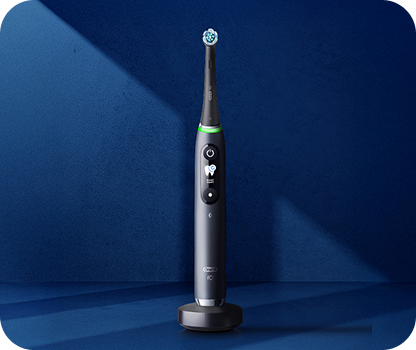
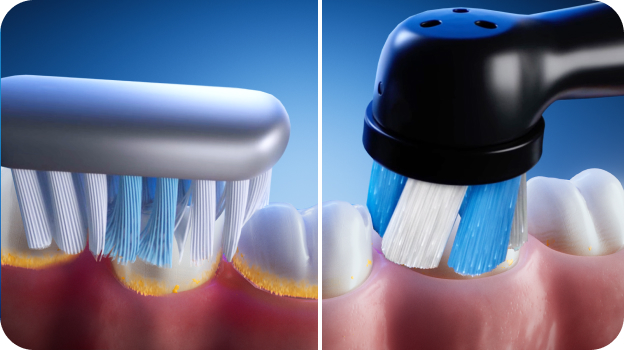
  • Brush 2X/day with an Oral-B iO Electric Toothbrush: An electric toothbrush removes more plaque bacteria than a regular manual toothbrush for a cleaner, healthier mouth, Some Oral-B iO toothbrush models even feature a tongue cleaning mode to help you easily and quicky keep your tongue free of food particles and odor-causing bacteria.
  • Pair It with an Oral-B iO Gentle Care Replacement Brush Head: Use a soft-bristled brush head to further remove bacteria and residue that may have accumulated on your tongue. Simply apply a little bit of pressure as you brush your tongue from back to front.
  • Use a Crest Pro-Health Toothpaste: Brush with a toothpaste from the Crest Pro-Health line. These are formulated with stannous fluoride to protect against plaque bacteria, cavities, and gingivitis, leaving your mouth feeling refreshed and clean.
  • Rinse with a Crest Pro-Health Multi-Protection Mouthwash: Round out your oral care routine with an alcohol-free, antibacterial mouthwash that kills 99% of germs to help reduce plaque buildup, prevent gingivitis, and freshen breath*
    *in laboratory tests
  • Stay Hydrated: Drinking water daily can help support the flow of saliva which naturally cleanses the mouth by minimizing bacterial growth.
  • Maintain a Well-Balanced Diet: Certain foods, such as those high in sugars and acids, leave your mouth more prone to bacteria growth. Consistent hydration, fruits, vegetables, and whole grains can help promote a healthier environment in the mouth.

When it comes to your oral health, it’s important to not forgot about tongue. Take the time to clean your tongue daily to help fight bad breath, reduce plaque buildup, and protect your overall health.

FAQs

  • What is the white stuff on my tongue scraper?
  • What is the disadvantage of using a tongue scraper?
  • Can using a tongue scraper damage taste buds?
  • What does a healthy tongue look like?
  • How do you clean a tongue scraper?
  • How can I clean my tongue without a tongue scraper?

Sources

Table of Contents

  • What Is a Tongue Scraper?
  • A Step-by-Step Guide to Using a Tongue Scraper
  • Benefits of Tongue Scraping
  • When to Scrape and How Often?
  • Tips and Precautions
  • Summary

  • FAQs
  • Sources
drlee-image

This blog has been reviewed and approved by Dr Robert Lee, a dental professional of 35 years

LEARN MORE >

Related Products

1311