When To Scrape and How Often?
Ideally, scrape your tongue twice daily, once in the morning after waking up and once before bedtime. This removes the buildup of bacteria and debris that accumulates overnight and throughout the day.
Tips and Precautions
- Be Gentle: Avoid applying excessive pressure while scraping which can irritate or damage the delicate tissues of your tongue.
- Start Towards the Middle: Putting the scraper at the back of your tongue may cause you to gag or vomit. So when you first start scraping, try scraping from the middle of your tongue to the tip. Gradually scrape from farther back as you get used to it.
- Be Careful of Cutting Your Tongue: Inspect your tongue scraper for any uneven or rough edges and replace your scraper if any are present
- Scrape to Complement Your Oral Hygiene Routine: Tongue scraping Is not meant to replace brushing and flossing and should be done in addition. Brushing, flossing, AND scraping are important for overall dental health.
- Consult a Professional: For any specific health concerns before starting to tongue scrape, consult a dentist or dental hygienist.
Summary
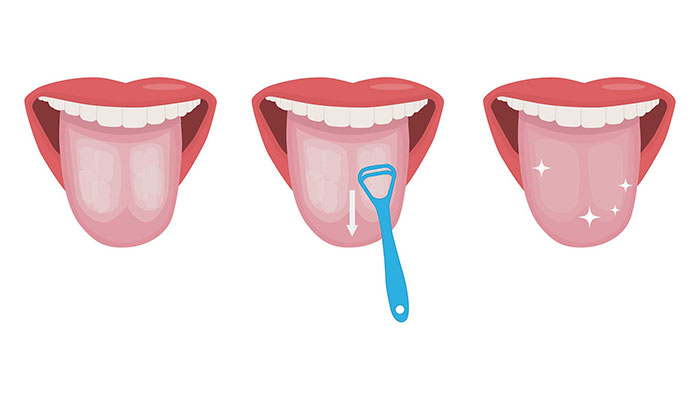
Using a tongue scraper is a simple and effective way to enhance your oral health. Start with choosing an appropriate scraper based on your comfort level. From there, it’s a matter of sticking out your tongue as far as you can, and starting at the very back of the tongue, scrape gently, moving forward along the full surface. If that evokes a gag reflux, start towards the middle of the tongue until you get used to how it feels. Repeat this 2-3 times, rinsing the scraper in between strokes. Rinse your mouth, clean the scraper, and you’re good to go! Do this before brushing and flossing every morning upon waking and before bed. By following these steps and being mindful of the benefits and precautions, you can enjoy a cleaner tongue, a fresher mouth, and improved taste sensation. For the best results, consistently make tongue scraping a regular part of your daily oral hygiene routine.
Tongue: Protecting Oral Health Through Proper Cleaning
Your tongue is responsible for a number of actions including eating and speaking. However, bacteria and food particles can get trapped on the tongue’s surface which may lead to bad breath, gum issues, and may impact tooth health.
Complete your oral care routine with a little attention reserved for tongue cleaning:
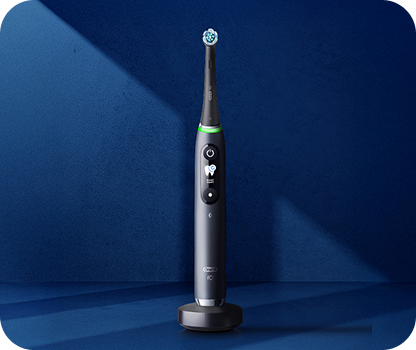
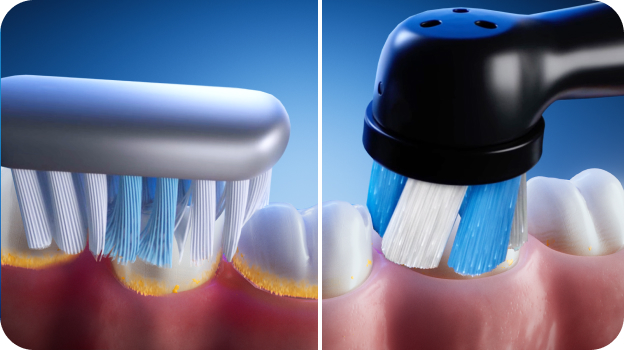
- Brush 2X/day with an Oral-B iO Electric Toothbrush: An electric toothbrush removes more plaque bacteria than a regular manual toothbrush for a cleaner, healthier mouth, Some Oral-B iO toothbrush models even feature a tongue cleaning mode to help you easily and quicky keep your tongue free of food particles and odor-causing bacteria.
- Pair It with an Oral-B iO Gentle Care Replacement Brush Head: Use a soft-bristled brush head to further remove bacteria and residue that may have accumulated on your tongue. Simply apply a little bit of pressure as you brush your tongue from back to front.
- Use a Crest Pro-Health Toothpaste: Brush with a toothpaste from the Crest Pro-Health line. These are formulated with stannous fluoride to protect against plaque bacteria, cavities, and gingivitis, leaving your mouth feeling refreshed and clean.
- Rinse with a Crest Pro-Health Multi-Protection Mouthwash: Round out your oral care routine with an alcohol-free, antibacterial mouthwash that kills 99% of germs to help reduce plaque buildup, prevent gingivitis, and freshen breath*
*in laboratory tests
- Stay Hydrated: Drinking water daily can help support the flow of saliva which naturally cleanses the mouth by minimizing bacterial growth.
- Maintain a Well-Balanced Diet: Certain foods, such as those high in sugars and acids, leave your mouth more prone to bacteria growth. Consistent hydration, fruits, vegetables, and whole grains can help promote a healthier environment in the mouth.
When it comes to your oral health, it’s important to not forgot about tongue. Take the time to clean your tongue daily to help fight bad breath, reduce plaque buildup, and protect your overall health.