














- What are Mouth Ulcers?
- What Causes Mouth Ulcers?
- Oral Hygiene for Mouth Ulcers
- What’s the Best Mouthwash Options for Ulcers
- FAQs
- References

MOUTHWASH FOR ULCERS
10 minute read
Last updated 06/2025
Share

Mouth ulcers, also known as canker sores are often small in size, and can cause discomfort. If you have mouth ulcers, visit your dental professional for recommendations on whether a mouthwash for ulcers may be helpful for you.
What are Mouth Ulcers?
Mouth ulcers, or canker sores, are small lesions that can develop in your mouth, often on the gum line. These lesions can be uncomfortable and can even affect talking, eating, or drinking.
Though most mouth ulcers tend to go on their own with a couple weeks, if you experience a canker sore that simply won’t go away or becomes very painful, see your medical or dental professional right away for proper diagnosis and treatment.
What Causes Mouth Ulcers?
Though not contagious, mouth ulcers can be triggered by several reasons, these include:
- Sensitivity to certain acidic foods
- Lack of vitamins such as iron or B-12
- Braces or other orthodontic mouth gear
- Minor oral injuries and brushing too hard
- Hormonal changes
- Bacterial or viral infections
Some ulcers occur as a result of a serious underlying medical condition, see your medical professional right away for diagnosis and treatment.
Oral Hygiene for Mouth Ulcers
Since mouth ulcers may cause some oral discomfort, it’s best to pay extra attention when taking care of your mouth:
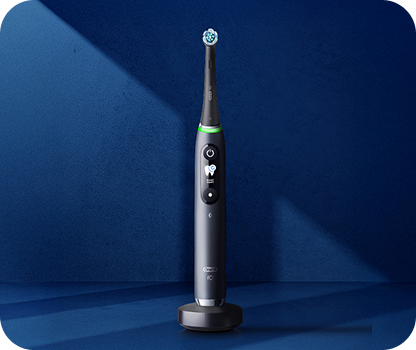
- Use an electric toothbrush with a Sensitive Mode and Pressure Sensor to protect your gums
- Pair your electric toothbrush with a soft-bristled replacement head for a gentler clean
- Use a toothpaste containing fluoride to better assist in reducing mouth or plaque bacteria
- Rinse with a non-alcoholic mouthwash to stay gentle on your mouth and to help keep your mouth clean Visit your dental professional twice a year for checkups and cleanings
What’s the Best Mouthwash Options for Ulcers
Ask your dental professional about which mouthwash is best for you.
An alcohol-free mouthwash option may be best for ulcers to help avoid additional irritation. A fluoride mouthwash can help protect your mouth when paired with twice daily brushing. A gum care mouthwash can help clean along the gum line to better ensure your mouth stays fresh.
Only from Oral-B, the #1 brand used by dentists worldwide*.
*BASED ON SURVEYS OF A REPRESENTATIVE WORLDWIDE SAMPLE OF DENTISTS CARRIED OUT FOR P&G REGULARLY
Shop this article
1223|900
FAQs
Does using mouthwash make a mouth ulcer hurt more or less?
Mouthwash may sting if you have a mouth ulcer, especially if it contains alcohol or other irritating ingredients. A gentle, alcohol-free rinse may be less irritating and can help keep the mouth clean, but it will not treat the underlying cause of the ulcer. See a dentist or healthcare professional if the sore lasts more than 2 weeks, keeps coming back, is unusually painful, or makes it hard to eat or drink.
Can an antibacterial rinse help prevent mouth ulcers from getting infected?
An alcohol-free antibacterial rinse may help reduce bacteria in the mouth, but it will not treat the underlying cause of most mouth ulcers. Choose a gentle, alcohol-free option to avoid extra stinging, and ask a dentist or healthcare professional if ulcers are frequent, very painful, or slow to heal.
At what point should I see a doctor about a mouth sore that won't go away?
See a dentist or healthcare professional if a mouth sore does not improve within 10 to 14 days, lasts more than 2 weeks, keeps coming back, is unusually large or painful, or is accompanied by fever, swelling, trouble swallowing, or difficulty eating or drinking.
References
- https://www.ada.org/en/member-center/oral-health-topics/mouthrinse#:~:text=Antimicrobials%20in%20mouthwash%20formulations%20include, ketone%2C%20terpene%2C%20and%20ionone
- https://www.dentalcareplus.com/media/50441/health-connection-mouthwash.pdf
- https://www.healthline.com/health/mouth-ulcers#prevention
