


















Contents
- The causes:
- Related Articles
- FAQs
- References

Bad Breath
10 minute read
Last updated 08/2026
Share

Bad breath, also known as Halitosis, can affect anyone. However, good brushing habits can help give you fresh breath and a refreshed sensation. We’ve compiled a list of bad breath causes and steps you can take to help keep your breath fresh—like finding the best toothpaste for you.
The causes:
A good place to start when it comes to keeping your breath fresh is analyzing your oral care routine.
When we skip regular brushing and flossing, food particles get trapped between teeth, along the gum line, and on the tongue creating bacteria which can lead to an unpleasant odor.
Another culprit is dry mouth. Chronic dry mouth prevents saliva from washing away excess plaque bacteria in the mouth which may contribute to foul odor.
The types of food you indulge in can also, of course, create an odor in your mouth. Garlic, onion, and alcohol are all types of foods that can temporarily affect the smell of your breath.
And finally, smoking or chewing tobacco can instantly give you long-lasting bad breath.
Here’s how you can keep your breath fresh:
Brush twice a day. It seems obvious but often we forget or only brush once. Brushing twice, morning and night or after meals is fundamental for keeping your mouth clean. We recommend upgrading the kind of toothpaste you use, try one with an ingredient that combats bacteria buildup in the mouth to prevent the main cause of bad breath.
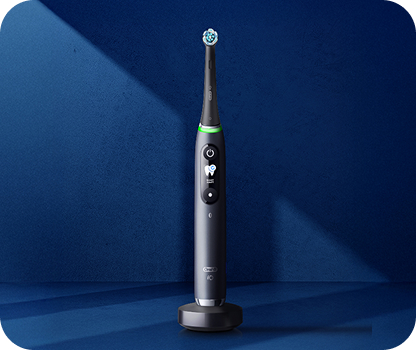
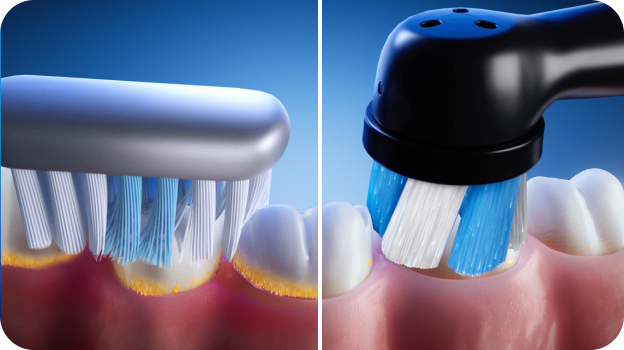
Another great way to up your brushing game is to upgrade your toothbrush. For example, electric toothbrushes work harder to reach the places between teeth to remove more plaque.
Floss regularly. Floss at least once per day to helps get trapped food particles and plaque bacteria out from tight spaces and between teeth.
Rinse with mouthwash. Mouthwash can help remove any lingering food that brushing alone can leave behind while also giving your breath a refreshing sensation. Look for a mouthwash that has anti-bacterial properties that kill the bacteria that causes bad breath.
Remember to visit your dental professional at least twice a year for cleanings and checkups.
The bottom line — bad breath affects most people at some point or another. The best way to keep your breath fresh? Maintain a well-rounded oral care routine.
Shop this article
1040|783
Science worth a scroll.

Bad Breath (Halitosis): Causes, Remedies, and Treatments
We all get bad breath sometimes, but if you notice bad breath every day, it might be time to make some changes in your oral health routine...
Read more
The Best Electric Toothbrush of 2021
Understanding the options available is an important part of choosing the best electric toothbrush for you...
Read more
The Benefits of Electric Toothbrush vs. Manual
Trying to decide between an electric toothbrush and a manual one? If you want one of the easiest and most effective ways to care for your teeth..
Read more
Find the Best Mouthwash for You
There are various types of mouthwashes and rinses on the market; and understanding the differences will help in selecting the right rinse to use...
Read moreFAQs
How do I know if I have chronic bad breath?
Chronic bad breath, also known as halitosis, can be tricky to pinpoint on your own. You might suspect you have it if you constantly notice an unpleasant odor when breathing out, if others often mention it, or if you repeatedly rely on mints and gum without lasting relief. Other signs include a dry or coated tongue, sore throat, or persistent difficulty in maintaining fresh breath despite good oral hygiene. If these issues persist, it might be a good idea to consult your dental professional or a healthcare provider to determine and address any underlying causes.
What is the difference between temporary halitosis and chronic bad breath?
Temporary halitosis usually refers to short-lived episodes of bad breath that can be tied to factors like a recent meal, smoking, or temporary dry mouth. Chronic bad breath, on the other hand, is persistent and may indicate ongoing issues such as poor oral hygiene, gum disease, or other underlying health problems that require professional evaluation and treatment.
Does mouthwash cure bad breath or just mask it?
Mouthwash can help with bad breath, but it is not a cure for the underlying cause. Some rinses mainly freshen breath temporarily, while therapeutic mouthwashes with active ingredients may help reduce odor-causing bacteria when used as directed. For lasting fresh breath, brush twice a day, clean between teeth daily, clean your tongue, and see a dentist or healthcare professional if bad breath does not improve.
Can stomach problems cause bad breath?
Yes, some stomach problems can contribute to bad breath. Gastroesophageal reflux disease (GERD) may cause stomach acids to rise into the esophagus, leading to foul breath. Additionally, some infections or digestive issues might also manifest as unpleasant odors. If you're experiencing persistent bad breath along with stomach symptoms, it might be a good idea to discuss these concerns with both your dentist and healthcare provider to identify the underlying cause and appropriate treatment.
When should I see a doctor about my bad breath?
If your bad breath persists despite a consistent oral hygiene routine or is accompanied by additional symptoms like dry mouth, digestive issues, or changes in taste, it's time to consult a doctor or dentist. A healthcare professional can help identify any underlying conditions and recommend proper treatment to address the issue.
References
