




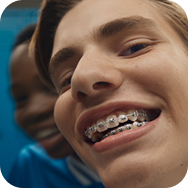








Smiling teen boy with braces brushing his teeth with an electric toothbrush

Braces

How To Whiten Your Teeth While Wearing Braces

10 minute read

Last updated 06/2025

Welcome hero image

This blog has been reviewed and approved by Dr Robert Lee, a dental professional of 35 years

Learn More

    Contents

  • Challenges of Whitening Teeth With Braces
  • Effective Whitening Strategies
  • Things to Avoid
  • Post-Braces Whitening
  • Summary
  • Braces: For a Healthy, Bright Smile While Straightening
  • Related Articles
  • FAQs
  • References

Quick hit key takeaways

1

Maintain Good Oral Hygiene: Brush after every meal and floss daily to prevent plaque buildup and staining

2

Use whitening toothpaste: Choose fluoride-based whitening toothpastes that are gentle on enamel and effective in removing surface stains

3

Avoid Certain Whitening Products: Whitening strips and gels may not work effectively with braces and can cause uneven whitening

4

Before starting any whitening regimen: Consult with your orthodontist to ensure your plans are safe and appropriate for your situation

SUMMARY

Wearing braces is a significant step toward achieving a great smile, but it can pose challenges when it comes to maintaining the whiteness of your teeth. Brackets and wires can trap food particles and plaque, leading to discoloration. Additionally, whitening treatments can be tricky and not very effective, as they may not reach tooth areas covered by braces. Consuming certain staining foods and drinks can make your tooth color uneven when your braces are removed. However, with the right approach, you can keep your teeth bright and healthy throughout your orthodontic journey.

Challenges of Whitening Teeth With Braces

Braces create small, hard-to-reach areas on your teeth where plaque and food particles can accumulate. This buildup can lead to stains and discoloration. Traditional whitening treatments may not be effective because strips and gels can’t reach the areas beneath the brackets, which can cause uneven whitening. This leaves visible spots once the braces are removed. Fortunately, there are things you can do to ensure your teeth stay white and healthy.

Effective Whitening Strategies

Adopt and Maintain a Thorough Oral Hygiene Routine

  • Brush with a fluoride toothpaste after every meal to remove food particles and plaque
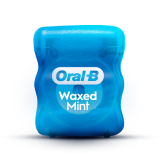
  • Floss daily by using an orthodontic floss or floss threader that cleans between teeth and around the brackets
  • Use an interproximal brush. These small brushes that can reach areas around brackets and wires that a toothbrush can miss, effectively cleaning the areas that are difficult to reach with a regular toothbrush
  • Consider using a water flosser. It can help remove debris and plaque from hard-to-reach areas and make getting the benefits of flossing easier

Select the Correct Whitening Toothpaste

  • Look for products that contain fluoride and are mild or non-abrasive to gently clean and polish your teeth without damaging the enamel
  • Fluoride helps strengthen enamel and prevent decay, which contributes to the overall health and uniform appearance of your teeth during orthodontic treatment.

Use Whitening Mouthwash

  • Choose alcohol-free options because they’re gentler on your mouth and won’t dry out tissues
  • Use the whitening mouthwash once or twice daily after brushing your teet

Rinse After Eating or Drinking

  • Rinse with water after eating or drinking, especially after sugary or acidic foods or drink
  • Rinsing helps remove particles that can contribute to plaque buildup and staining

Talk To Your Orthodontist

  • It’s very important to discuss any whitening plans ahead of time
  • Get recommendations on safe whitening options that won’t interfere with your braces
  • They may suggest professional whitening treatments after your braces are removed
Man experiencing oral pain after drinking hot coffee image

Things to Avoid

DIY Whitening Kits

  • Products like LED light devices or charcoal toothpaste can be abrasive and may damage your braces

Over-the-Counter Whitening Strips and Gels

  • These are designed to whiten the entire visible surface of your teeth
  • With braces strips and gels can’t reach beneath the brackets which can lead to uneven whitening and result in noticeable spots once braces are removed

Foods that can stain your teeth

  • Avoid food and drink that can stain, including coffee, tea, red wine, dark berries, as well as sugary or acidic foods or drink
  • Drinking with a straw can minimize staining liquids coming into contact with your teeth
  • Rinse with water after eating or drinking to remove stain-causing particles

Avoid smoking or using tobacco products

  • Besides their well-known health risks, these can cause significant discoloration and staining

Post-Braces Whitening

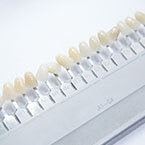
After your braces are removed, you might notice that the areas previously covered by brackets are lighter than the surrounding tooth surfaces, which were exposed to staining foods and drinks. If that’s the case, discuss professional whitening options with your dentist, dental hygienist, or orthodontist. Treatment options may include:

  • In-office bleaching
  • Custom take-home whitening trays
  • Can help achieve a uniform white and bright smile
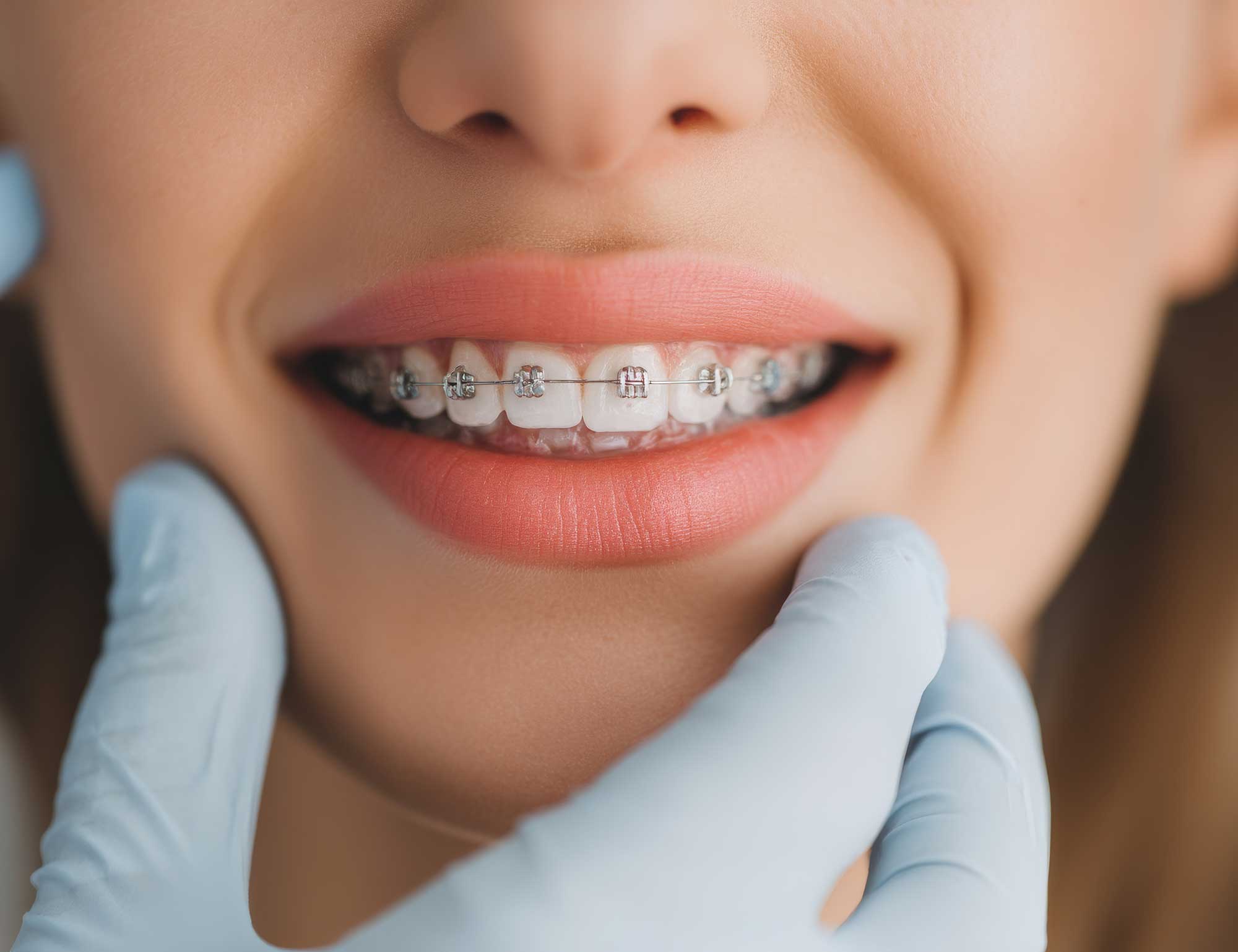
Close-up of woman with braces on her teeth image

Summary

Braces create small, hard-to-reach areas on your teeth where plaque and food particles can accumulate. This buildup can lead to stains and discoloration. Traditional whitening treatments may not be effective because strips and gels can’t reach the areas beneath the brackets, which can cause uneven whitening. This leaves visible spots once the braces are removed.

Fortunately, there are things you can do to ensure your teeth stay white and healthy, including maintaining a thorough oral health regimen, including brushing after every meal and flossing daily. You can also use certain whitening products such as whitening toothpastes and mouthwashes. But avoid whitening strips. The braces might block them from providing even results.

Besides what you can do, there are also things you can avoid, especially foods and drinks that can stain your teeth, such as coffee, tea, red wine, and dark berries

Once your braces are removed, you might notice that the areas previously covered by brackets are lighter than the surrounding tooth surfaces. If so, discuss it with your dentist, dental hygienist, or orthodontist. They have several professional whitening options that can help.

Braces: For a Healthy, Bright Smile While Straightening

Braces help straighten your smile and correct misalignment, but brackets and wires can also create new areas for plaque to hide—making your smile more vulnerable to staining, tooth decay, and gum disease. A thorough oral care routine can help keep your mouth healthy to ensure you get the most out of your treatment while preventing oral health issues down the road.

When wearing braces be sure to:

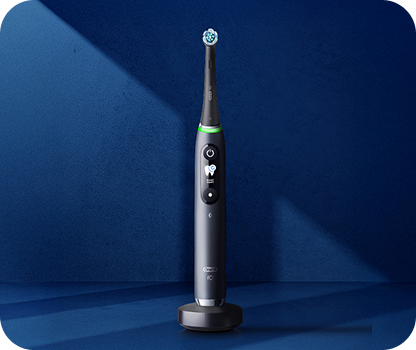
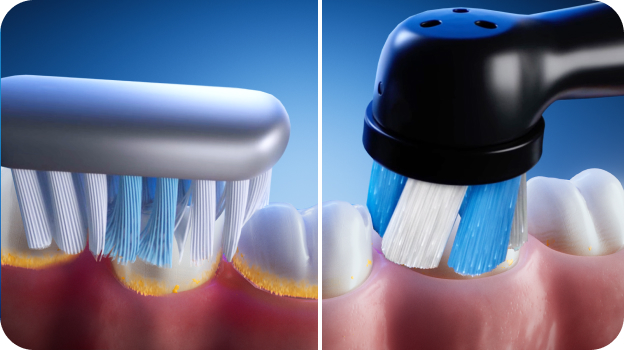
  • Brush 2X/day with an Oral-B iO Electric Toothbrush: It can be tough to clean around brackets and wires, allowing more opportunities for food particles and plaque to accumulate in. Brush twice daily with an electric toothbrush to remove up to 100% more plaque than a regular manual toothbrush for healthier teeth and gums.
  • Pair It with an Oral-B iO Gentle Care Replacement Brush Head: Braces can leave your smile feeling sore and sensitive. iO Gentle Care Brush Heads feature high-density dentist-inspired extra soft bristles in an optimized pattern to better adapt to teeth and gums while delivering a gentle clean.
  • Protect Your Smile with Crest Pro-Health Toothpaste: Brush twice daily with a Crest stannous fluoride toothpaste to help prevent cavities, help prevent and reverse gingivitis (an early form of gum disease), and keep your smile strong and bright.
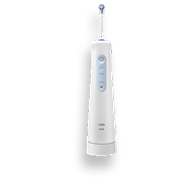
  • Amp Up Your Flossing Routine with Oral-B Water Flosser Advanced: When paired with traditional string floss, a water flosser can help remove even more food debris and plaque from hard-to-reach areas to help boost your gum care. The Oral-B Water Flosser Advanced features customizable intensities, including a targeted stream perfect for cleaning around brackets and wires, allowing you to easily wash away leftover particles.
  • Rinse with Crest Pro-Health Mouthwash: Round out your brushing and flossing routine with an alcohol-free antibacterial mouthwash to kill plaque-causing germs, rinse away loose food particles, and support gum health.
  • Maintain a Balanced Diet: Foods high in sugars can increase plaque buildup, especially when wearing braces. Opt for fruits, vegetables, and whole grains to help limit plaque bacteria and keep your smile healthy.
  • Visit Your Dental Professional Regularly: Keep up with regular with orthodontic visits to keep braces properly adjusted. Additionally, it’s important to go in for professional cleanings and checkups at least twice a year to better monitor your oral health.

Following a complete oral care routine while wearing braces can help keep your teeth and gums healthy, so when those brackets and wires do come off, you can confidently reveal your newly straightened, strong, bright smile.

Shop this article

934|966

Science worth a scroll.

FAQs

Will whitening toothpaste leave spots on my teeth after braces?

Whitening toothpaste may help reduce surface stains on exposed areas of the teeth, but it will not whiten the tooth surface covered by brackets. After braces are removed, teeth may look uneven in color if plaque, stains, white spots, bonding material, or areas covered by brackets create color differences. Ask your dentist or orthodontist about the best whitening option for your teeth.

Can I get professional teeth whitening with braces on?

Sometimes, whitening may be possible depending on the type of orthodontic appliance, but many dentists recommend waiting until braces are removed so whitening is more even. If you want to whiten your teeth during treatment, ask your dentist or orthodontist what is safe for your specific appliance.

Why do teeth go yellow after braces?

Teeth can look more yellow after braces if plaque or stains build up around brackets, or if there are white spot areas or leftover bonding material that make tooth color look uneven.

Can I use whitening strips with braces?

Whitening strips, gels, or trays may help whiten exposed tooth surfaces, but with fixed braces they can whiten unevenly. If you have braces, ask your dentist or orthodontist which whitening option is safest for you.

References