
















- Do I Need Braces?
- When's The Right Time For Braces?
- What Kind Of Braces Will I Have To Wear?
- How Long Will I Have To Wear Them?
- Will Treatment Be Uncomfortable?
- Who Will Provide My Orthodontic Treatment?
- Taking Care of Your Braces
- Science worth a scroll.
- FAQs
What Is The Right Age To Get Braces?
10 minute read
Last updated 08//26
Share

Do I Need Braces?
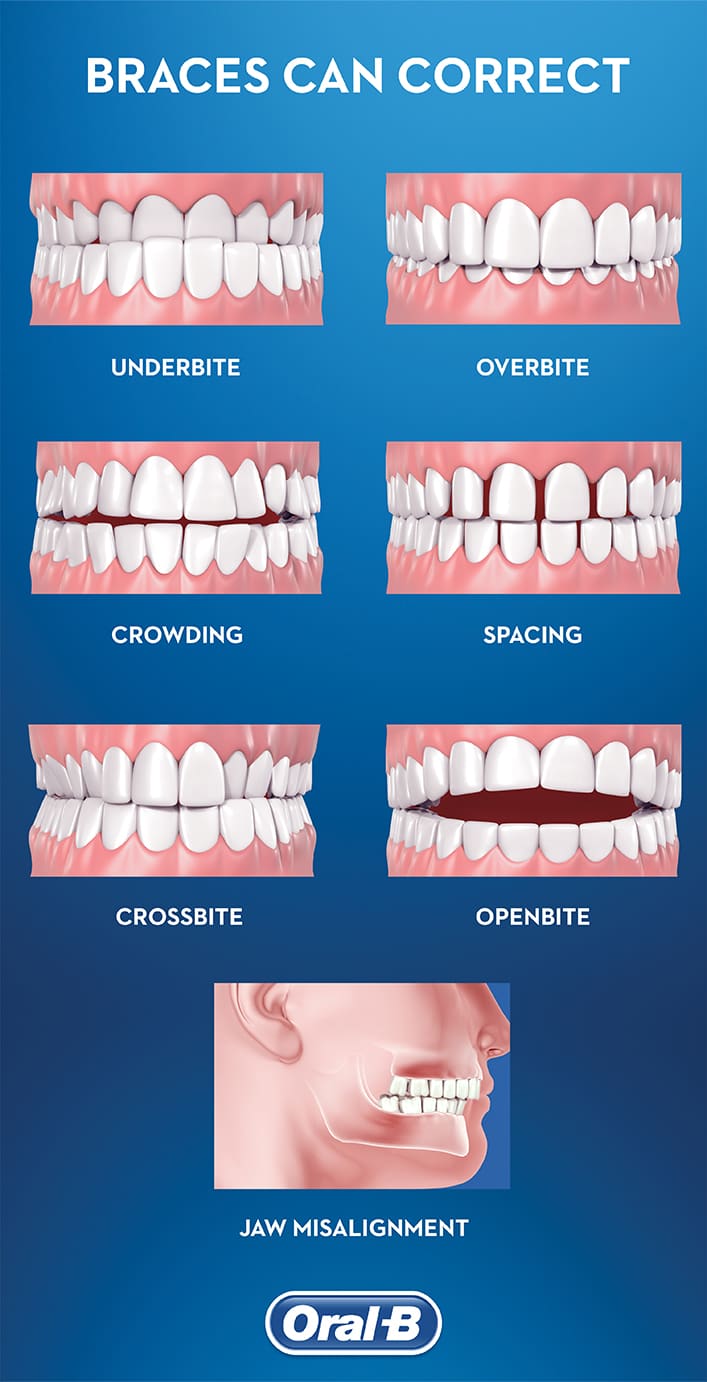
A dentist usually recommends braces to improve the patient's physical "orofacial" appearance. Through orthodontic treatment, problems like crooked or crowded teeth, overbites, underbites, incorrect jaw position and disorders of the jaw joints are corrected.
Find out more if you need braces.
When's The Right Time For Braces?
Patients with orthodontic problems can benefit from treatment at nearly any age. An ideal time for placement of braces is between 10 and 14 years of age, while the head and mouth are still growing and teeth are more conducive to straightening. However, because any adjustments in facial appearance can be traumatic to a child during these sensitive years, parents should discuss the matter with their children before braces are applied. And braces aren't just for kids. More and more adults are also wearing braces to correct minor problems and to improve their smiles.
What Kind Of Braces Will I Have To Wear?
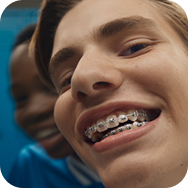
Your dentist will know what appliance is best for your particular problem, but the patient often has a choice. Braces generally come in three varieties. The different types of braces are brackets, metal or plastic, that are bonded to teeth and are far less noticeable. The "lingual" type of braces consists of brackets that attach to the back of the teeth, hidden from view. Bands are the traditional type that cover most of your teeth with metal bands that wrap around the teeth. All use wires to move the teeth to the desired position.
How Long Will I Have To Wear Braces?
That depends upon your treatment plan. The more complicated your spacing or bite problem is, and the older you are, the longer the period of treatment, usually. Most patients can count on wearing full braces between 18 and 30 months, followed by the wearing of a retainer for at least a few months to up to two years to set and align tissues surrounding straightened teeth. Some patients may have to wear a permanent retainer if you do not want your bite to return to the way it was.
Will Treatment Be Uncomfortable?
The interconnecting wires are tightened at each visit, bearing mild pressure on the brackets or bands to shift teeth or jaws, gradually into a desired position. Your teeth and jaws may feel slightly sore after each visit, but the discomfort is brief. Keep in mind also that some teeth may need to be extracted to make room for teeth being shifted with braces and for proper jaw alignment.
Who Will Provide My Orthodontic Treatment?
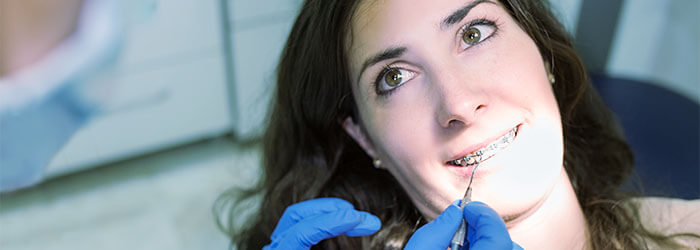
Your family general dentist is responsible for coordinating your dental treatment, and this could encompass any orthodontic treatment plan, including diagnosis, examinations and some orthodontic procedures. Your dentist may, however, refer you to an "orthodontist"—a specialist trained in the development, prevention and correction of irregularities of the teeth, bite and jaws and related facial abnormalities. Here's how to pick an orthodontist.
Taking Care of Your Braces
It’s important to follow a thorough oral hygiene routine, especially when wearing braces or other dental appliances.Here's how you can take care of your braces.
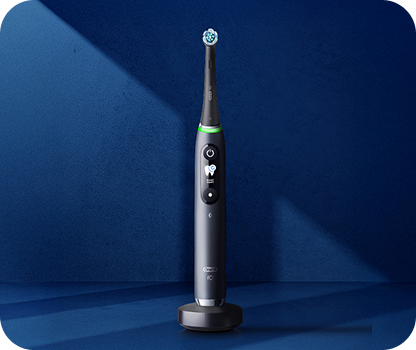
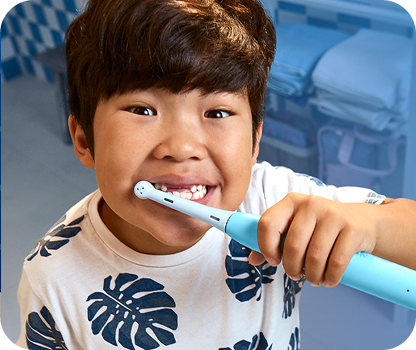
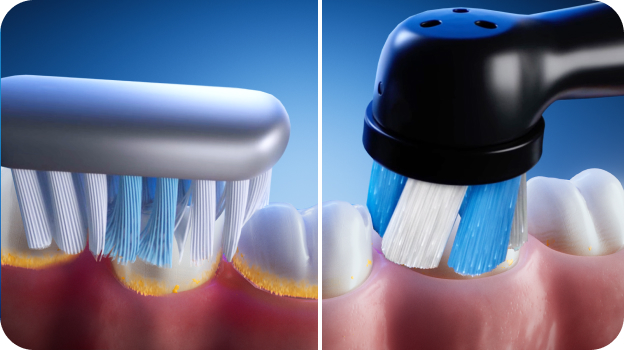
- Brush twice a day with an electric toothbrush equipped with an Ortho Brush Head*, it’s specially designed to clean between wires and brackets.
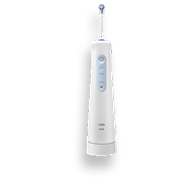
- Floss once a day with string floss and pair it with the Oral-B Water Flosser Advanced, its unique Oxyjet Technology deep cleans to reduce plaque buildup and food that can get trapped wires and brackets.
- Swish with Oral-B Mouth Sore Special Care Oral Rinse, it’s scientifically formulated to cleanse minor oral wounds associated with braces.
From Oral-B, the #1 dentist-recommended toothbrush brand, worldwide.
*Compatible with all Oral-B handles except iO and Sonic handles
Shop this article
934|966
Science worth a scroll.
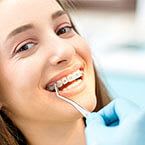
Taking Care of Your Braces
You should be prepared for the fact that taking care of your teeth will be more difficult once you get braces. Braces have countless tiny spaces to trap food,
Read more
Getting Braces Put On
First, the orthodontist will thoroughly clean and dry your teeth. Next, he or she will apply the bonding glue to your teeth and attach the brackets (the small metal or ceramic squares).
Read more
Other Tips & Tricks for Living with Braces
Prepare a kit with a toothbrush, toothpaste, and floss (to use between meals), wax, and lip balm (for dry lips). Carry this with you at all times.
Read more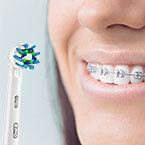
How to Brush Your Teeth and Floss With Braces
Brushing your teeth with braces may seem like a daunting task, but with the right techniques and tools, it becomes a manageable part of your daily routine.
Read more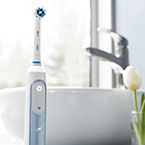
What Is the Best Electric Toothbrush for Braces?
When you wear braces, plaque has more places to accumulate and build up. Learn how our electric toothbrushes more effectively clean around braces to remove plaque and help prevent gum disease.
Read moreFAQs
Can I get braces at the age of 25?
Yes, you can get braces at age 25. Orthodontic treatment is not limited to children or teens, and many adults choose braces or clear aligners to help straighten teeth, improve their bite, or support oral health. A dentist or orthodontist can tell you which option fits your teeth and goals.
Who should not get braces?
People with active gum disease, untreated cavities, or significant dental infections should address these issues before considering braces. Additionally, individuals with poor oral hygiene habits or medical conditions affecting the bone around their teeth may need to take extra precautions or consider alternatives before starting orthodontic treatment.
What is the golden age for braces?
There is no single “golden age” for braces. Orthodontic treatment can be appropriate for children, teens, or adults depending on their oral health and treatment needs. Many children are evaluated around age 7, while braces are often started later, when enough permanent teeth have come in and the orthodontist determines the timing is right.
Is 7 years old too early for an orthodontist visit?
No, age 7 is not too early for an orthodontist visit. Many orthodontists recommend an orthodontic evaluation around age 7 so they can check how the teeth and jaws are developing and identify potential bite or alignment concerns early. An evaluation does not always mean braces are needed right away.
