Braces have come a long way from the bulky metal wires many of us remember from childhood. Today, they're more comfortable, effective, and even somewhat stylish. Whether you're considering braces for yourself or a loved one, understanding how they work and what options are available can make the process much smoother and more pleasant. From traditional metal braces to nearly invisible aligners, each type offers unique benefits. Let's take a closer look at how braces straighten teeth and what kind of braces might best fit your needs.
Read more
Getting braces can be exciting. But let’s be honest, it can be nerve-wracking too. Whether you're a teen, an adult, or you’re getting them for your child, knowing what to expect helps you feel prepared. From the first meeting with your orthodontist to the moment the brackets go on, we'll walk you through it all. We’re not going to use fancy dental jargon here, just straightforward info backed by credible sources.
Read more
You can choose different colors for your braces throughout your braces journey. Your orthodontist can change your colors during your routine braces check-up. How to pick the best braces colors for you, depends on your personal style and preference.
Read more
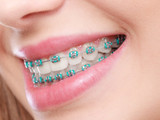
Ceramic braces are an alternative type of braces and compared to metal braces, typically have a more natural look. Ceramic braces can also be decorated with colored bands, similar to metal braces.
Read more
When it comes to straightening teeth, braces are often a good go-to. Most orthodontists and dental professionals recommend braces for kids to help ensure a straighter and healthier smile—but braces can also make it more difficult to properly clean teeth and gums as brackets and wires can get in the way. Adding a mouthwash to your daily hygiene routine can help improve the cleanliness of your mouth, fight bad breath, and prevent cavities in areas where it’s difficult to reach with a traditional toothbrush.
Read more
Braces used to be thought of as something for kids, but now more and more adults are getting them. Whether it's for cosmetic reasons or to fix bite issues, more adults are turning to orthodontics for a healthier, straighter smile. It does require a commitment of both time and money. So, before you commit, it's important to weigh the benefits, drawbacks, and lifestyle changes that come with adult braces. In this guide, we'll walk you through the benefits, challenges, and other things to consider so you can make the best decision for you and your teeth.
Read more
Braces are not the only way to achieve a straighter smile. Depending on your specific condition, there are other options besides braces to consider. Even though braces have shown to be very effective, they may not be needed to fix some oral conditions.
Read more
For a number of medically important reasons, it’s vital that cancer patients not neglect their dental health. Chemotherapy, which involves drug treatment to kill cancer cells, can promote a range of oral health problems. The medications used in chemotherapy can promote dry mouth, which can be part of the overall picture of tooth decay.
Read more
The length of time that you might wear braces varies depending on the severity of your dental problems, but most people wear them for one to three years. Sometimes your orthodontist may recommend additional orthodontic treatments, such as elastic bands and orthodontic headgear, but these items are not always used for the full length of time that you wear the braces.
Read more
How long will it take to get my braces taken off?
Read more
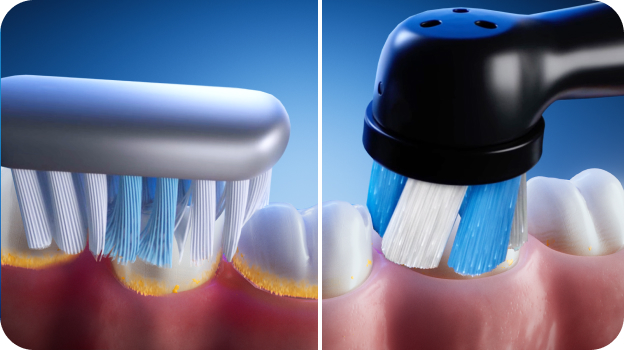
When you wear braces, plaque has more places to accumulate and build up. Learn how our electric toothbrushes more effectively clean around braces to remove plaque and help prevent gum disease.
Read more
Being a teen or pre-teen is hard enough. Being a teen or pre-teen with braces can be even harder. If you're trying to help your kid deal with their new braces, here are some helpful perspectives from parents who have been through the process before.
Read more
Prepare a kit with a toothbrush, toothpaste, and floss (to use between meals), wax, and lip balm (for dry lips). Carry this with you at all times.
Read more
Braces or not, it’s always recommended to eat a well-balanced diet for its renowned health benefits. Cut healthy, hard foods like carrots or apples into smaller pieces. This makes them less a threat to your braces.
Read more
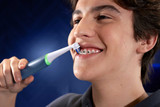
Even if you wear braces, you can, and should, brush and floss your teeth consistently. Maintain a good oral care routine of twice-daily tooth brushing and daily flossing to keep your teeth looking their best, and they'll look even better when your braces are removed.
Read more
Retainers are custom-made appliances that consist of a plastic base and metal wires that cover the outside of the teeth to help retain the new alignment. Once your braces are removed, your dentist will likely prescribe a retainer for you to wear to allow the teeth and gums to further stabilize around your new tooth alignment.
Read more
Frequent follow-ups, or "adjustments," are needed to replace worn-out rubber bands, check on your teeth's progress, and make adjustments to the wires to make sure teeth are being pulled in the right direction. Skipping follow-ups can hinder progress, and may cause you to need braces for a longer period of time.
Read more
Braces can help realign your teeth and make for a nice smile, but even so many people want to get them off as soon as possible. There are several things you can do to help keep your mouth clean and help let your braces do the work they need to.
Read more
Regular monthly follow-up visits for braces patients. Elastic bands are replaced and archwires may be replaced or adjusted as needed.
Read more
You should be prepared for the fact that taking care of your teeth will be more difficult once you get braces. Braces have countless tiny spaces to trap food, and this trapped food causes plaque, which can lead to many other dental problems. Because of this, it's very important to brush your teeth after every meal (snacks count, too), to rinse with mouthwash, and to floss at least once a day. This may seem tedious or excessive, but neglecting your oral hygiene can lead to serious oral health problems, force you to spend additional time in braces, or cause unsightly staining on your teeth. The extra responsibility needed to care for braces properly is something that both you and your child should be prepared for.
Read more
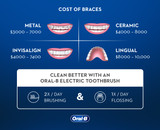
The cost range for braces can vary greatly for each type:
Read more
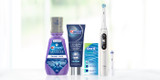
Managing your oral health is a whole different story when you've got braces. That's why Oral-B and Crest have teamed up with the American Association of Orthodontists and orthodontists worldwide, to create OrthoEssentials. It combines the best Crest and Oral-B products for people with braces with educational tools for better oral care.
Read more
Braces have proven to be highly effective for straightening teeth and fixing other orthodontic problems. Braces can be used to treat many different oral conditions, beyond cosmetic reasons. Depending on your specific condition, braces may be the best option for your oral health and cosmetic appearance.
Read more
Unfortunately, there aren't many alternatives to braces, but there are alternatives to the metal braces that many people immediately picture. You can get clear or tooth-colored brackets and wires, which make braces much less noticeable. Some patients are also eligible for Invisalign instead of traditional braces. There are also other types of removable appliances that can help align teeth.
Read more
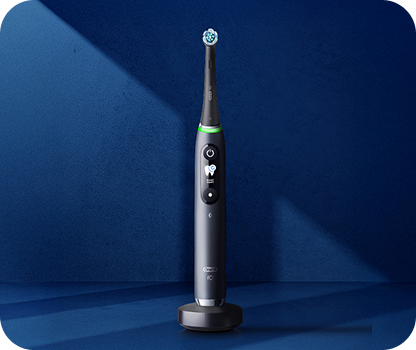
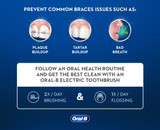
Prevent common braces problems such as plaque buildup, tartar, and bad breath with a complete oral care routine. Brush with an electric toothbrush to further remove more plaque and trapped food from brackets and wires.
Read more
First of all, don't wait until you think your child is "old enough" for braces before you start looking for an orthodontist. The American Association of Orthodontists recommends that all kids get a checkup by age 7 to see how their teeth are coming in. Find out the right time to get braces.
Read more
It’s natural to want a pearly white smile, even when you have braces. There are many ways to brighten your teeth. Depending on what type of braces you have, some methods may work better than others. Here’s how to whiten teeth with braces:
Read more
When it comes to straightening your teeth, choosing the right type of braces can feel overwhelming. With various options available, each offering their own unique benefits and considerations, you'll want to choose the one that aligns with your lifestyle, aesthetic preferences, and dental needs. In this guide, we'll explore the most common types of braces—traditional metal, ceramic, lingual, clear aligners, and self-ligating systems—which will give you the information you need to help make an informed decision when you talk to your orthodontist about which option is best suited for you.
Read more
Brushing your teeth with braces may seem like a daunting task, but with the right techniques and tools, it becomes a manageable part of your daily routine. Braces create tiny nooks and crannies where food particles and plaque can hide. If not cleaned properly, this can lead to cavities, gum issues, or even staining once your braces come off. Brushing isn't just about keeping your teeth clean. It's about protecting your investment in your smile. This guide will walk you through the best practices for brushing your teeth with braces. It requires some effort, but it’s worth it.
Read more
A dentist usually recommends braces to improve the patient's physical "orofacial" appearance. Through orthodontic treatment, problems like crooked or crowded teeth, overbites, underbites, incorrect jaw position and disorders of the jaw joints are corrected.
Read more
How long does it take to put braces on? For most types of braces, it takes about 1-2 hours.
Read more