
















Contents
- Summary
- Importance of Good Oral Hygiene for People with Braces
- What Problems Can Braces Cause?
- Related Articles
- FAQs
- References
Common Braces Problems to Watch For
10 minute read
Last updated 06/2025
Share


This blog has been reviewed and approved by Dr Robert Lee, a dental professional of 35 years
Learn MoreSummary
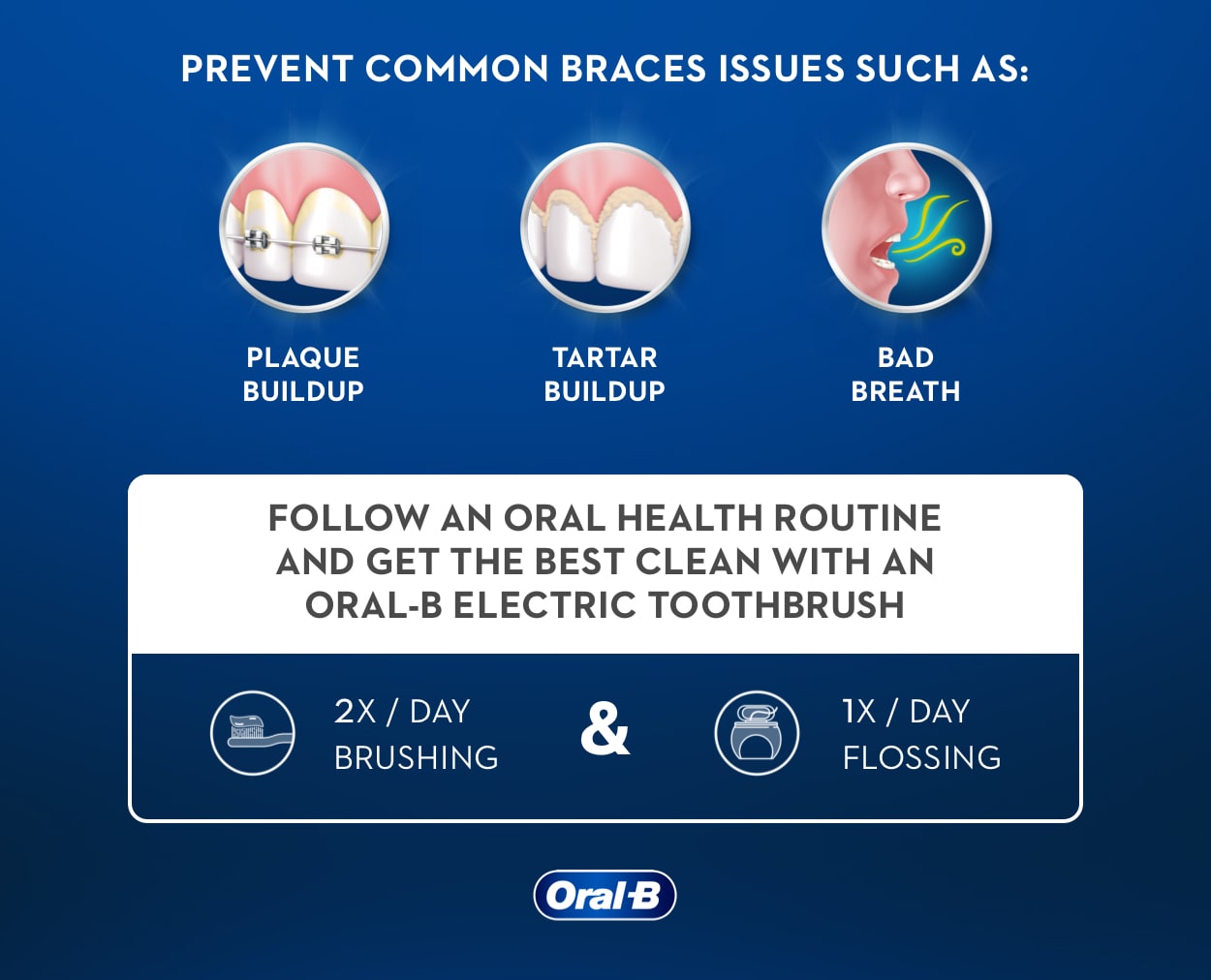
Prevent common braces problems such as plaque buildup, tartar, and bad breath with a complete oral care routine. Brush with an electric toothbrush to further remove more plaque and trapped food from brackets and wires.
Importance of Good Oral Hygiene for People with Braces
Proper oral care isn't just about making your teeth look pretty. It's the key to avoiding common dental problems like gingivitis, tartar, and demineralization. Because thorough oral hygiene is more difficult with braces, braces wearers are more prone to these issues than non-braces wearers. These dental problems are unpleasant enough on their own, but if left untreated they can also turn into more serious oral health issues. Plus, they can prolong your time in braces. In severe cases of gum disease or other oral health problems, the orthodontist may even have to remove your braces, wait for your gums and mouth to heal, and then reapply them.
What Problems Can Braces Cause?
Demineralization
- Demineralization sounds pretty serious, and it is. It occurs when food left on teeth comes in contact with bacteria, creating acid. This acid robs teeth of calcium and phosphate, causing decalcification or "white scars". White scars look like chalky little white squares that outline the area where braces once were. These white spots can also be very sensitive. It's important to note that braces themselves do not cause staining - anyone who doesn't care for their teeth well can have white scars. However, people with braces are more prone to decalcification because braces act as an excellent trap for food. Unfortunately, these demineralization stains are usually permanent and can lead to cavities. You can avoid demineralization by brushing after every meal with an electric toothbrush equipped with a specialized brush head like the Oral-B Power Tip which is specially designed to clean around braces. To further prevent staining and keep your mouth healthy be sure to floss once a day, and cut back on drinks high in sugar such as soda.
Gingivitis
- Gingivitis occurs when the tissues around the teeth become inflamed and it's the initial form of gum disease. Sufferers may experience bleeding, tenderness, redness, or swelling. Gingivitis is reversible, but don't ignore it! It can also increase the time that kids have to spend in braces. Studies have shown that brushing consistently with an electric toothbrush can help minimize the risk of gum disease.
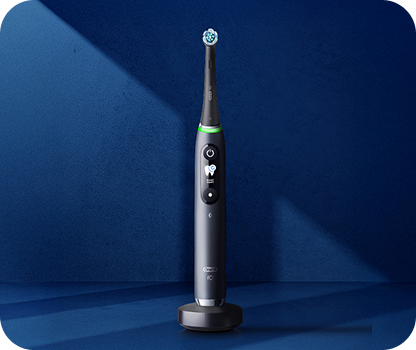
- Anyone can develop gingivitis, but the challenge of cleaning around the gum line with braces means that braces wearers should be especially vigilant. To help prevent it, be sure to brush after every meal and floss at least once a day. To help keep gums healthy during and after braces, try brushing with the Oral-B iO, its powerful technology helps deliver a professional-like clean in all areas of the mouth.
Sensitivity
- Sensitivity can occur when the underlying layer of your teeth becomes exposed as a result of receding gum tissue. The roots of your teeth, which are not covered by protective hard enamel, contain thousands of tiny tubules leading to the tooth's nerve center (the pulp). When exposed, these tubules allow stimuli - such as hot or cold food - to stimulate the nerve in your tooth, causing the pain you feel. With sensitivity, you may feel pain when consuming hot, cold, or sweet drinks or food, or even when breathing cold air. It is normal for teeth to be temporarily sensitive after an adjustment, but let your orthodontist know if you have chronically sensitive teeth.
- Anyone can suffer from sensitivity, but braces wearers can be especially susceptible to it.This is because braces are more difficult to clean around, and poor oral care can lead to an irritated or receding gum line. To help prevent sensitivity, brush thoroughly after every meal and floss at least once a day.
Plaque
- Plaque is a colorless, sticky film of bacteria that constantly forms in the mouth. It is produced from the combination of saliva and food particles. Plaque combines with sugars to form an acid that is dangerous to teeth and gums, and it causes tooth decay, gum disease, tartar, and other dental problems. Everyone suffers from plaque, but as with other dental problems, the challenges of cleaning around braces mean that braces wearers must be especially careful about fighting it. Plaque begins forming only 4 to 12 hours after brushing, which is why it's so important to brush at least twice a day and floss daily. To remove more plaque for healthy, strong teeth switch to an electric toothbrush like the Oral-B iO. The dentist-inspired round brush head comes equipped with the latest in bristle technology to gently, yet effectively clean away plaque and food debris from between teeth and along the gum line.
Tartar
- Tartar, sometimes called calculus, is formed when plaque is left on the tooth surface and hardens. It's a crusty deposit that can trap stains on teeth and cause discoloration. Tartar can start to develop after only 24 hours, and can make it more difficult to remove newly-formed plaque. It can form along the gum line, just under the gums, and around braces and other orthodontic appliances. Regular brushing and flossing is essential for preventing tartar. Oral-B Super Floss is uniquely designed for cleaning around dental work such as braces and in-between teeth. Once tartar has formed, only a dentist or hygienist can remove it.
Bad Breath
- Bad breath, also known as halitosis, is usually caused by poor oral hygiene, medical problems, or habits such as smoking or eating certain foods. However, bad breath that develops only after getting braces is almost certainly caused by poor oral hygiene. Bacteria feeds on food particles left in your mouth, and these bacteria create odor. This means that any tiny bits of food that are stuck in brackets or between teeth will contribute to bad breath.
- Because braces contain so many small spaces to trap food, the habits that worked great for cleaning your teeth before braces may no longer be enough. It's important to brush immediately after every meal or snack, or to at least vigorously rinse your teeth with water or mouthwash if you absolutely can't brush. Bad breath-causing odors and bacteria can also cling to removable orthodontics (like a retainer or clear aligners) so be sure to remove them before eating, even if you're only eating a small amount.
Thinking of getting braces? Find out more about when to get braces, the different types, how much they cost and how to look after them.
Shop this article
934|966
Science worth a scroll.
Taking Care of Your Braces
You should be prepared for the fact that taking care of your teeth will be more difficult once you get braces...
Read more
What You Can and Can't Eat with Braces
Braces or not, it’s always recommended to eat a well-balanced diet for its renowned health benefits. Cut healthy, hard foods like carrots or apples into smaller pieces. This makes them less a threat to your braces...
Read more
Other Tips & Tricks for Living with Braces
Prepare a kit with a toothbrush, toothpaste, and floss (to use between meals), wax, and lip balm (for dry lips). Carry this with you at all times...
Read more
How to Clean Your Teeth with Braces
Even if you wear braces, you can, and should, brush and floss your teeth consistently. Maintain a good oral care...
Read moreFAQs
How can I fix my teeth without braces?
Common alternatives to braces may include clear aligners for gradually straightening teeth, veneers or dental bonding for certain cosmetic concerns, and retainers or tooth contouring for minor adjustments. For anything beyond mild cosmetic concerns, see a dentist or orthodontist in person to determine the best way to straighten teeth or improve your bite.
Can braces make it harder to keep teeth and gums healthy?
Braces can make it a little harder to clean around teeth and along the gum line, which can allow plaque to build up. Over time, that may raise the chance of problems like cavities, gum irritation, white spots on teeth, or bad breath. Brushing and flossing carefully—especially around brackets and wires—can help keep your teeth and gums healthy during treatment.
Who should not get braces?
Some people may need to treat dental or health problems before starting braces. Active gum disease, untreated cavities, or other conditions that affect the teeth, gums, or supporting bone should be checked and managed first. In many cases, braces may still be possible once those issues are under control.
hy do teeth turn yellow with braces?
Braces can make teeth harder to clean, so plaque and surface stains may build up around brackets and make teeth look more yellow. In some cases, white spots or leftover bonding material can also make tooth color look uneven after braces come off.
Is it common to have cavities after braces?
Cavities and early enamel damage can happen during braces treatment if plaque builds up around brackets and wires. Good brushing, flossing, fluoride toothpaste, and regular dental visits can help lower the risk. Using an electric toothbrush may also help some people clean more effectively around brackets and along the gum line.
References
