Periodontitis: Causes, Symptoms, and Treatments

Summary
In this article, we discuss causes, symptoms, and treatment for periodontitis, so you can keep your teeth, gums, and mouth healthy.
Key Takeaways
- Takeaway #1: Periodontitis is the advanced stage of gum disease that starts with plaque buildup and gingivitis.
- Takeaway #2: Periodontitis can be worsened by tobacco use, systemic diseases, hormonal changes, poor nutrition, and some medications.
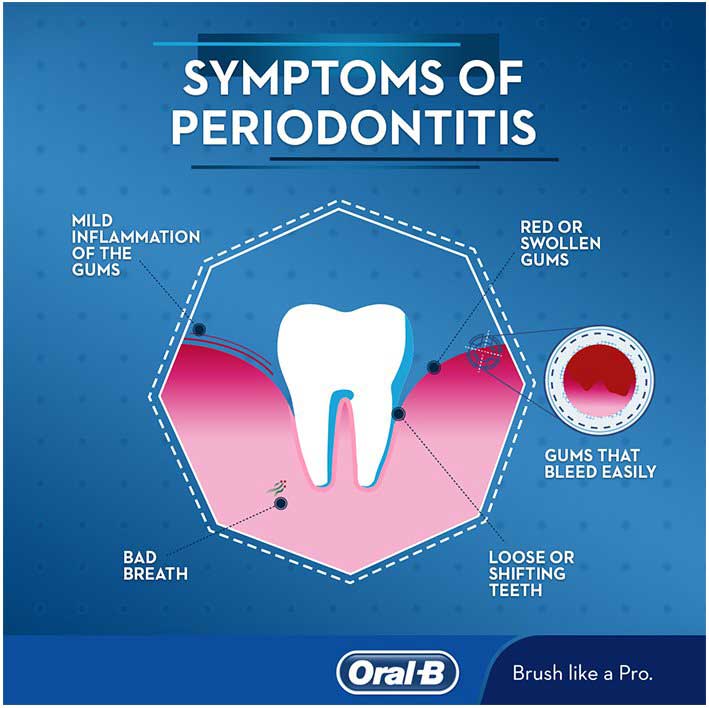
- Takeaway #3: Periodontitis symptoms often include swelling, bleeding, and receding gums, as well as deep pockets between teeth and gums, loose teeth, and persistent bad breath.
- Takeaway #4: Left untreated, periodontitis can result in loose teeth and eventually tooth loss, as well as damage to the periodontal ligaments and loss of the jawbone that holds teeth in place.
- Takeaway #5: Periodontitis can only be treated by a dentist or periodontist. If you suspect you have a gum infection, visit a dental professional as soon as possible.
Table of Contents
Key Takeaways
What Is Periodontitis?
Periodontitis is a severe gum infection and is considered the advanced stage of gum disease. It starts with gingivitis.
Gingivitis is caused by plaque bacteria that builds up on your teeth and gums, leading to red, swollen, tender, and bleeding gums. Without proper oral hygiene and regular dental visits, gingivitis can develop into periodontitis.
Periodontitis is further broken into three stages: mild periodontitis, moderate periodontitis, and advanced periodontitis. Each is characterized by increasingly worse symptoms (which we’ll discuss in this article).
Unlike gingivitis, which can often be reversed at home with a consistent oral hygiene routine, periodontitis can only be treated by a dentist or periodontist with specialized tools and training.
Periodontitis Causes
Gum disease occurs when plaque, a sticky film of bacteria, accumulates and hardens on your teeth. When plaque is left to build up on and around your teeth, an inflammatory reaction occurs, leading to gingivitis and eventually periodontitis.
That said, there are a few medical and lifestyle factors that increase your chances of developing periodontitis. Let’s take a look.
Tobacco Use
Tobacco use of any kind — smoking, chewing, or vaping — is one of the most significant risk factors for developing dental problems, including gingivitis and periodontitis
The chemicals in tobacco do all sorts of damage to the soft tissue in your mouth, including reducing blood flow, preventing tissue repair, and hindering your body’s ability to fight infections such as gum disease.
The best remedy is to quit, so, if you haven’t tried before now, seriously consider giving up the habit.
Poor Nutrition
A diet high in sweet, starchy foods and sugary beverages and lacking in essential nutrients does two things that promote periodontitis:
- It weakens the immune system and increases the risk of infection.
- 2. It creates an environment in your mouth that promotes the growth of the harmful bacteria that can cause gum disease.
If you’re unsure what to eat — and what not to eat — for better oral health, continue reading to learn what constitutes a healthy diet.
Hormonal Changes
Hormonal changes can make it more likely that you’ll develop gum disease that leads to periodontitis.
Both men and women are susceptible to these hormonal changes, but women are at greater risk because of the significant ups and downs that accompany puberty, menstruation, pregnancy, and menopause.
Certain Illnesses
Certain illnesses can reduce or even eliminate your body’s ability to fight off gum disease in all its forms (thereby accelerating the process).
If you suffer from diabetes, HIV, or rheumatoid arthritis, talk to your dentist or primary care physician about how you can prevent plaque buildup and gum infection.
Medications
Some medications can cause dry mouth and other side effects that make it more likely you’ll develop a gum infection.
Talk to your primary care physician or specialist about trying different medications to find one that doesn’t lead to periodontal disease.
Periodontitis Symptoms

Bleeding Gums
Some periodontitis symptoms are similar to gingivitis symptoms but are typically more severe.
With gingivitis, your gums may bleed during brushing or flossing, but the bleeding usually stops quickly afterward. With periodontitis, your gums may bleed spontaneously—even without brushing or flossing—and the bleeding usually doesn’t stop easily or respond well to home treatments.
Also, with periodontitis, you might have tooth mobility and reabsorption of soft tissues, alveolar bone, and periodontal ligament.
Inflammation and Swelling
Periodontal disease is a serious infection of the soft tissue in your mouth.
With periodontitis, just like with any infection, your body’s natural defense is to send blood to the area to clean out the bacteria. This can lead to extreme, painful inflammation and swelling — especially if your body can’t fight off the infection on its own.
Bad Breath
When the soft tissue in your mouth gets damaged, the bacteria that naturally live there can begin to release a foul-smelling gas that gives you both a bad taste in your mouth as well as bad breath.
Receding Gums
Infection from gum disease can destroy the gum tissue and bone that supports your teeth. This can cause your gums to pull away—recede—from your teeth and reveal the roots of your teeth, which were never meant to be exposed to the elements (e.g., food, liquid, air).
Loose Teeth
Receding gums (and the damage underlying them) often leads to loose teeth that can affect the way you eat, may fall out on their own, or might need to be removed by a professional.
Periodontitis Treatment and Prevention

Professional Treatment
If you develop periodontitis, visit a dentist or periodontist for a professional treatment that may include:
- Scaling
- Root planing
- Local antibiotics
- Bone grafting
- Tissue grafting
- Flap surgery
- Tooth extraction
Even with these treatments, periodontitis can still come back! You must maintain a good oral hygiene routine to prevent its return.
Effective Oral Hygiene
A good oral hygiene routine is the best defense against periodontitis:
- Visiting a dentist at least twice a year for a professional cleaning and oral health checkup
- Brush at least twice a day with an electric toothbrush and a stannous fluoride toothpaste
- Floss at least once a day
- Rinse with an antibacterial mouthwash
If you follow this oral hygiene routine, you’ll be better equipped to remove the plaque bacteria that leads to gingivitis and periodontal disease.

Stop Smoking
We touched on the negative effects that smoking, chewing, and vaping can have on your oral health earlier in this article.
Quitting is the best approach. If you’re having trouble with a smoking problem, talk to your dentist or primary care physician. They can provide guidance and support for kicking the habit.
Eat a Healthy Diet
To maintain a healthy diet, limit your intake of sweet, starchy foods and sugary beverages. Eat a good balance of the following foods:
- Fruits
- Vegetables
- Whole grains
- Lean protein
- Healthy fats
For more guidance on maintaining good nutrition, talk to your primary care physician.
Effective Oral Hygiene Starts with Oral-B

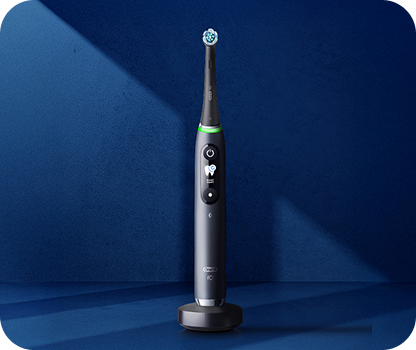
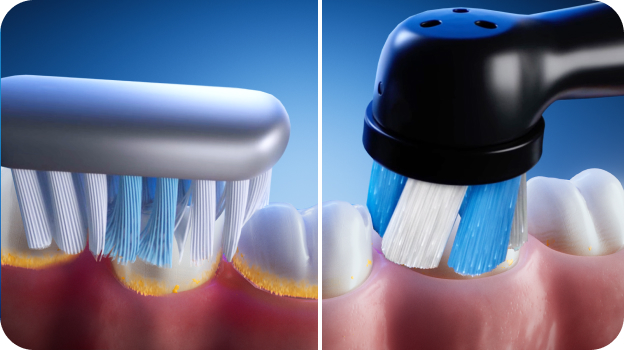
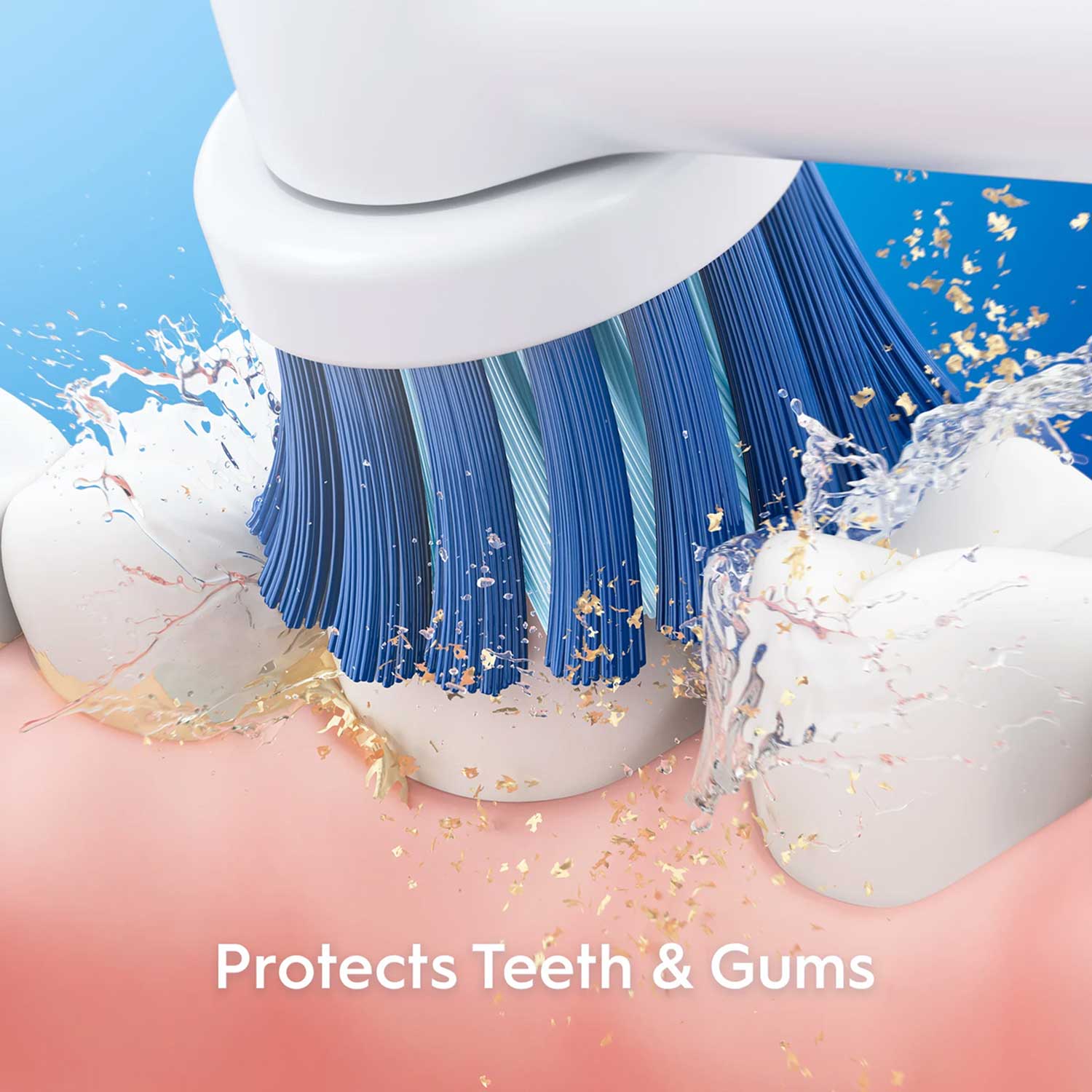
Keep your gums healthy with the Oral-B iO Electric Toothbrush Series. This series is designed to remove 100% more plaque than a manual toothbrush, thanks to its controlled micro-vibrations, dentist-inspired round brush head, and the smart pressure sensor that helps you apply the right amount of pressure for a superior clean while protecting your gums. It also features multiple brushing settings, including some that have Sensitive and Gum Care settings, for a gentler yet effective clean.
Add flossing, rinsing daily, and regular visits to the dentist, and you have the perfect routine to help you keep your gums healthy!
FAQs
-
What is the best toothbrush for gum disease?
-
Is periodontal disease contagious?
-
Do I have gingivitis or periodontitis?
-
What is the main cause of periodontitis?
Sources
- https://my.clevelandclinic.org/health/diseases/16620-periodontitis
- https://www.cdc.gov/oral-health/about/gum-periodontal-disease.html
- https://www.mayoclinic.org/diseases-conditions/periodontitis/diagnosis-treatment/drc-20354479
- https://medlineplus.gov/ency/article/001059.htm
- Biesbrock, A. R., et al. (2025). Identification of Bacterial Networks and Relationship to Host Responses in Early Periodontitis Population over 24 Months. International Journal of Molecular Sciences, 26(22), 10823. https://doi.org/10.3390/ijms262210823
- Li, Y., et al. (2024). Enhanced control of periodontitis by an artificial intelligence-enabled multimodal-sensing toothbrush and targeted mHealth micromessages: A randomized trial. Journal of Clinical Periodontology, 51(12), 1632–1643. https://doi.org/10.1111/jcpe.13987
- Zini, A., et al. (2021). Effects of an oral hygiene regimen on progression of gingivitis/early periodontitis: A randomized controlled trial. Canadian journal of dental hygiene : CJDH = Journal canadien de l'hygiene dentaire : JCHD, 55(2), 85–94.
Table of Contents
- What Is Periodontitis?
- Periodontitis Causes
- Periodontitis Symptoms
- Periodontitis Treatment and Prevention
-
- FAQs
- Sources
Sign Up
for gum care tips, expert advice, and exclusive offers.
Sign Up
for gum care tips, expert advice, and exclusive offers.