













Sensitive Teeth: Causes, Treatments, and Prevention

Sensitive Teeth: Causes, Treatments, and Prevention
Last Updated : February 10 2026

Summary

When you have sensitive teeth, you might experience sudden sharp, shooting pain without warning. In this article, you'll learn causes, symptoms, and treatments so you can get back to enjoying the foods and drinks you love.

Key Takeaways

  • Takeaway #1: Tooth sensitivity happens when enamel or cementum wears away, exposing the underlying dentin. This soft, inner layer contains microscopic tubules that lead to the tooth's nerve, and when exposed, they can trigger pain.
  • Takeaway #2: Common causes of tooth sensitivity include aggressive brushing, bruxism (teeth grinding), teeth whitening (bleaching), gum disease, cracked teeth or cavities, acidic foods, long-term plaque buildup, and temporomandibular disorders (TMD).
  • Takeaway #3: Symptoms of tooth sensitivity may include sharp pain when consuming hot, cold, sweet, or acidic foods and beverages; discomfort during brushing or flossing; pain when exposed to cold air; receding gums; and headaches.
  • Takeaway #4: Treatments for sensitive teeth range from using a desensitizing toothpaste and fluoride mouth rinse at home to in-office procedures like dental bonding, gum grafts, or, if needed, a root canal. Your dentist can help you figure out the best option for your situation.
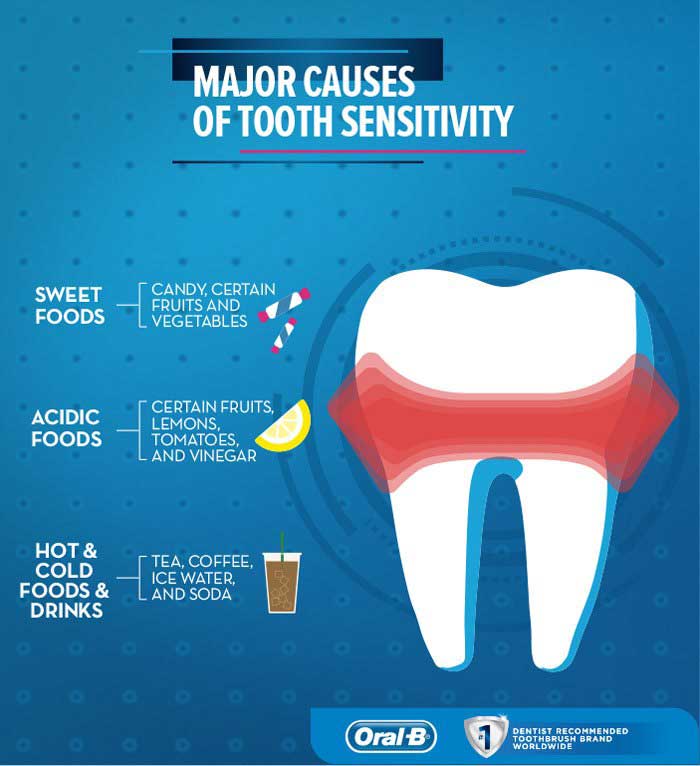

Table of Contents

Key Takeaways

What It Means to Have Sensitive Teeth

Having sensitive teeth simply means that when something touches them — like cold or hot food, sweet or sour food, cold air, or even your toothbrush — you experience pain.

Sometimes, the pain is mild and comes and goes quickly, but, other times, intense pain persists. Either way, you can't avoid triggers. You have to eat and drink. You have to breathe. You need to make brushing your teeth a priority.

What exactly is creating so much pain in your mouth?

When your teeth are healthy, a hard shield-like layer of enamel protects them above the gumline. Under the gumline, cementum, a connective tissue, sits around the roots of your teeth and protects them from below.

When either your tooth enamel or your cementum (or both) starts to wear away, the dentin underneath becomes vulnerable. Dentin is composed of tubules, microscopic channels that lead to the nerve of your tooth.

When dentinal tubules are exposed, as a result of receding gums or enamel loss, external triggers (like cold drinks or air) can travel through these channels and stimulate the nerve inside the tooth, causing the sharp pain of sensitivity.

Causes of Sensitive Teeth

graphic-showing-major-causes-of-tooth-sensitivity.jpg

Aggressive Brushing

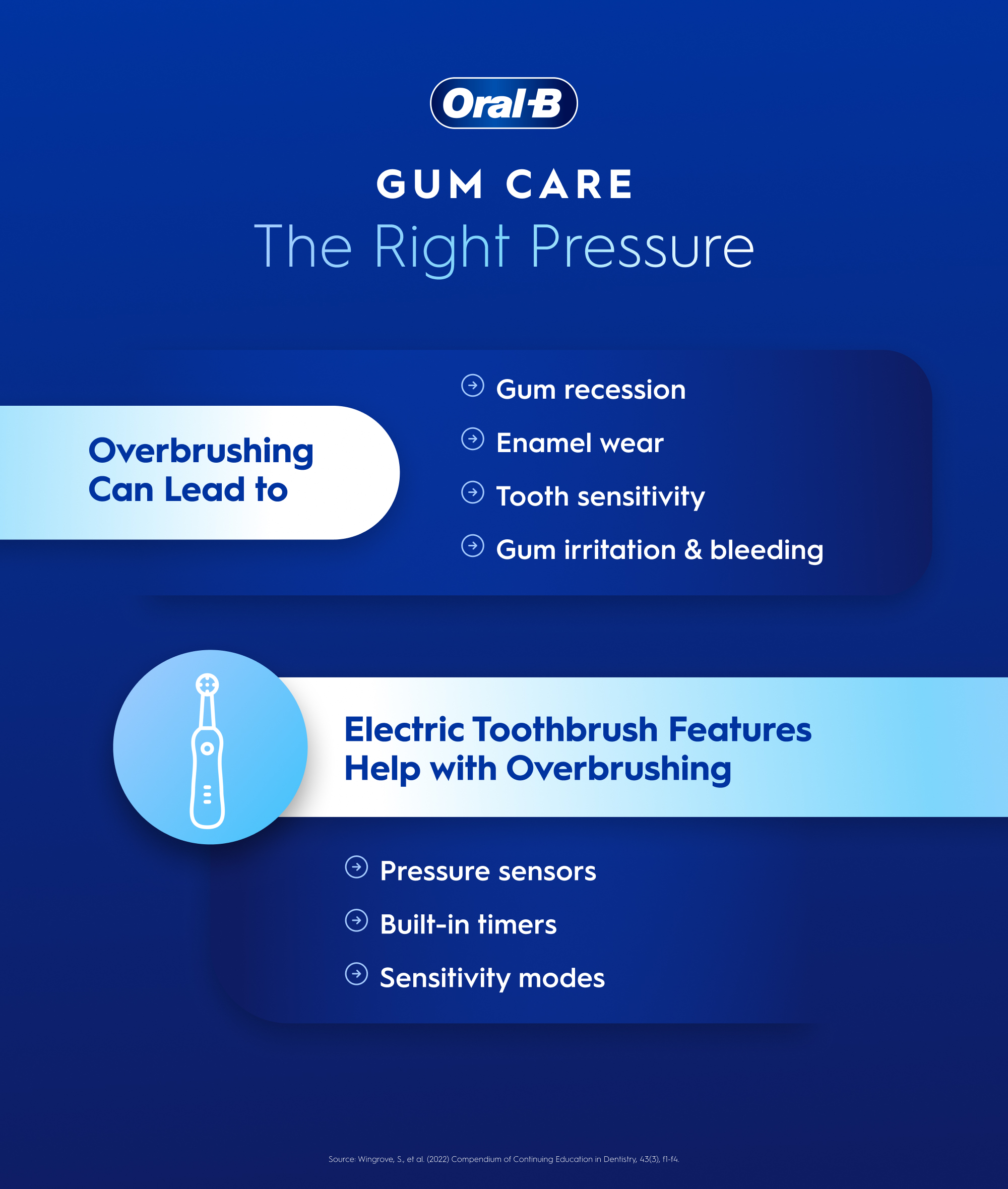
Brushing your teeth with too much force, especially when using a hard-bristle toothbrush, may wear away the soft gum tissue, expose the cementum, and cause your teeth to become overly sensitive.

Teeth Grinding

Grinding your teeth can cause enamel to wear away and leave the dentin exposed.

Dental Cleanings or Treatments

Certain procedures — such as cleaning your teeth or getting a filling — may sometimes expose or irritate the dentin, which can sometimes cause sensitive teeth. The good news? This type of sensitivity usually resolves itself fairly quickly.

Whitening Treatments

Teeth whitening usually involves a whitening agent that permeates enamel to break down stains, which can sometimes leave the surface of your teeth vulnerable. When enamel rehardens after the treatment, sensitivity typically goes away.

Gum Disease

Gum disease causes your gums to become inflamed. Your gums may begin to separate from your teeth, leaving vulnerable areas exposed.

Cracked Tooth or Cavity

Both create holes or pathways in your tooth and lead directly to dentin exposure. While minor cracks may cause only mild pain, deeper cracks can lead to sharp pain.

Acidic Foods

Regularly consuming foods and beverages containing higher levels of acid can wear away enamel on your teeth. Eat and drink them sparingly.

Be careful of the following foods: dried fruits, lemons, limes (and other citrus fruits), and tomatoes. Your biggest worries come from soda, sports drinks, and some candies.

Plaque Buildup

If you don't brush regularly, plaque can build up in the long term, creating a coating over your teeth. Left untreated, plaque buildup can lead to cavities, gum disease, and more serious oral health problems.

When your gums recede, your dentin is exposed, and you're more likely to develop sensitive teeth.

plaque-buildup

Symptoms of Sensitive Teeth

Pain When Eating or Drinking

Pain accompanying cold foods and drinks is the most prevalent symptom of sensitive teeth, followed by pain while eating or drinking hot, sweet, or sour foods and drinks.

Pain When Brushing, Flossing, or Breathing in Cold Air

If you experience pain when brushing, flossing, or even breathing in cold air, you might have sensitive teeth. All three actions can create pathways to the nerves in your teeth if you have cracks in your teeth, worn-away enamel, or gum recession.

Pain When You Bite

Sensitive teeth might hurt when you bite on something hard. If you only feel the pain when you release the bite, your sensitivity is likely the result of an underlying problem, such as a small cavity or a chipped tooth.

On the other hand, if you feel pain when you bite down and release (or your pain lingers), you may have more severe tooth decay or another serious dental problem.

Gum Recession

Gum recession occurs when the tissue surrounding your teeth at the gumline wears away, exposing the roots. While this might not cause immediate discomfort, it can lead to increased tooth sensitivity over time.

Headaches

In some cases, you may experience a headache when you have sensitive teeth. The pain in the nerve of your tooth can move along the trigeminal nerve—the large nerve that travels from multiple parts of your face into your brain—to other places in your head.

woman-visiting-the-dentist-because-of-tooth-sensitivity-headache

Sensitive Teeth Treatments

Sometimes, tooth sensitivities go away on their own, but if they don't, you can talk to your dentist about trying the below remedies.

Use a Toothbrush with Soft Bristles

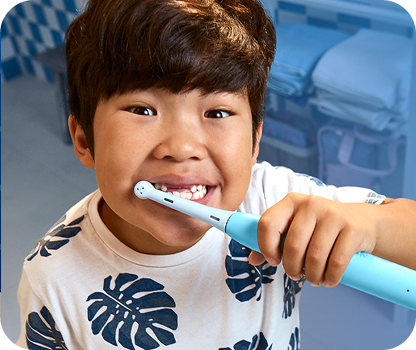
Since most sensitivity starts at the gumline, it's crucial to brush with a toothbrush with soft bristles to avoid damaging your gums. Be sure to brush your teeth (especially the sensitive ones) at least twice a day to prevent plaque buildup, which can cause gum disease and increase tooth sensitivity in the long-term.

Floss Every Day

Flossing is an important step in your oral hygiene routine. It helps remove plaque and food that brushing can't reach so you can more effectively prevent dental problems that might lead to sensitive teeth in the long-term.

Use a Desensitizing Toothpaste

For many, the first line of defense is switching to a toothpaste specifically formulated for sensitive teeth. These toothpastes work in one of two ways: by blocking the microscopic tubules in the dentin to stop triggers from reaching the nerve, or by soothing the nerve itself. Crest offers a range of toothpastes for sensitivity, like Crest Pro-Health Sensitive and Gum Toothpaste, that can provide relief with regular use. Look for active ingredients like stannous fluoride or potassium nitrate.

Rinse with Fluoridated Mouthwash

Fluoridated mouthwash and fluoride varnishes can strengthen tooth enamel and protect your teeth from acid damage, especially if you use it in addition to brushing and flossing.

Wear a Mouth Guard

Finally, if you grind your teeth or clench your jaw, try using a mouth guard to create a protective layer between your teeth to prevent contact between them.

Avoid Acidic Foods and Drinks

If you're prone to sensitive teeth, avoid acidic foods and drinks as much as possible. When you do consume them, rinse your mouth with water immediately after.

Consider Dental Bonding and Sealing

Dental bonding, a composite resin, repairs chips and fills gaps in your teeth. Dental sealants are applied to the chewing surfaces of your teeth. Bonding and sealants protect your teeth from bacteria and cover exposed roots.

Consider a Gum Graft

Gum grafts can correct receding gums by covering exposed roots. The surgery consists of taking gum tissue from another part of your mouth and grafting it onto your thinning gums.

Get a Root Canal if Needed

If you have severe and persistent sensitivity that doesn't respond to other treatments, or if the sensitivity is caused by deep tooth decay or an infected nerve, your dentist may recommend a root canal.

A root canal treats infections in the tooth pulp, which is at the deepest part of your tooth. During a root canal, the inflamed pulp is totally removed, the inside of your tooth is cleaned and disinfected, and a filling is added to seal the space.

Care for Your Teeth with Oral-B

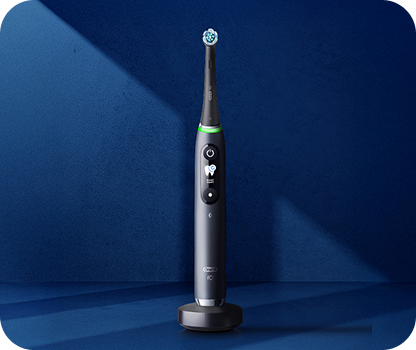
oral-b-io-series-10-electric-toothbrush-kit

Various dental problems cause sensitive teeth, but the good news is that you can help keep your teeth clean and healthy by brushing with an electric toothbrush, like one of our iO Series Electric Toothbrushes

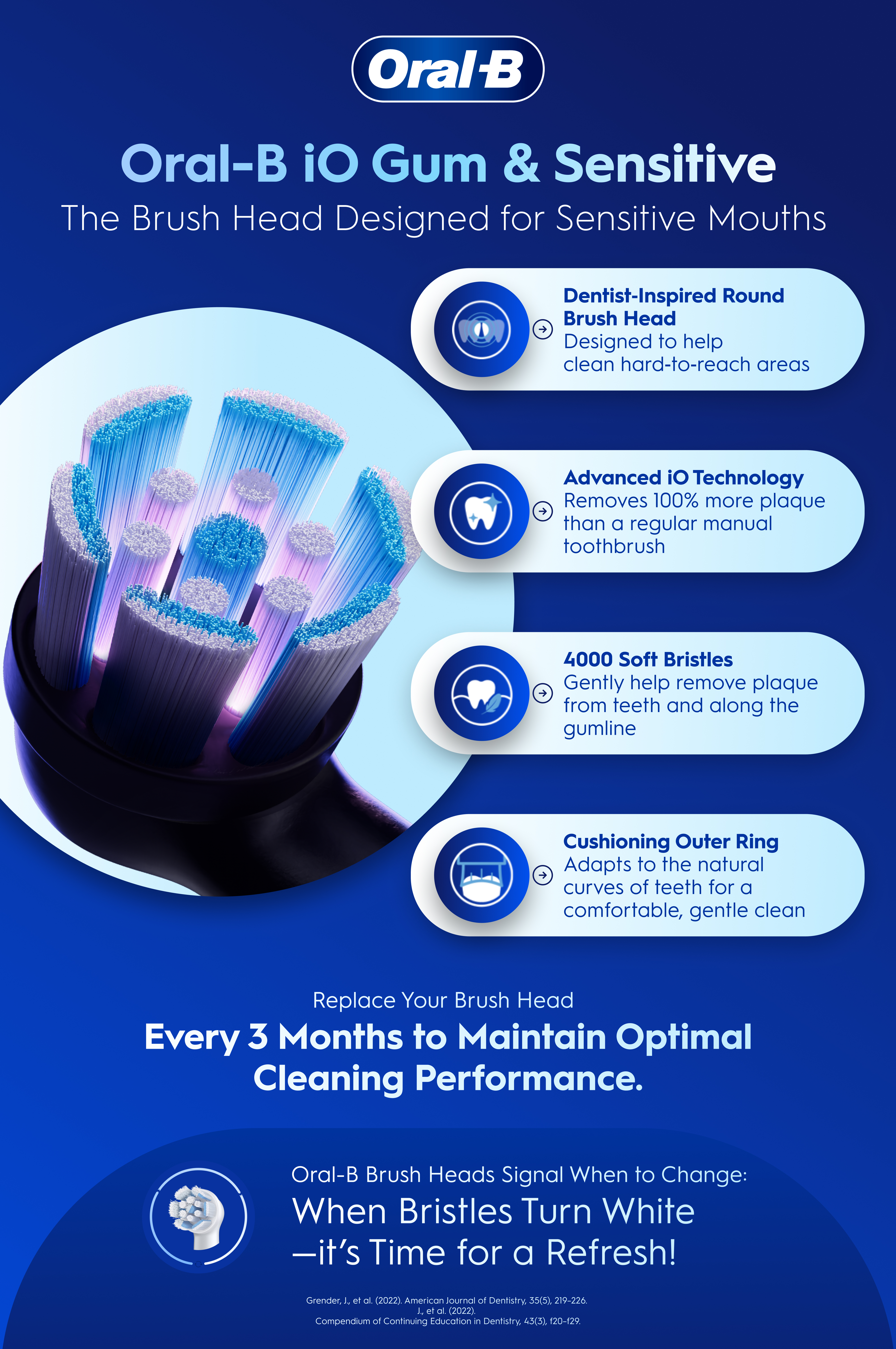
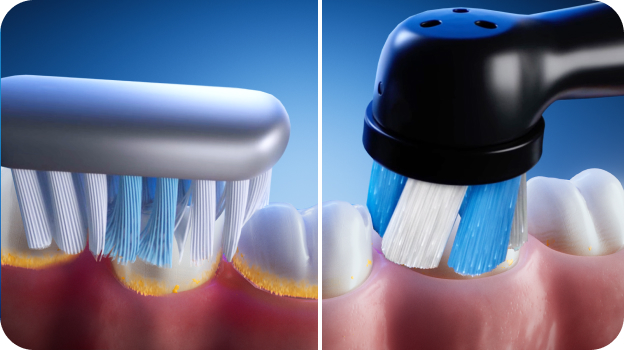
The Oral-B iO series removes up to 100% more plaque than a regular manual toothbrush for a professional clean feeling at home. Many iO models also feature a Sensitive Mode for a gentler clean and a Visible Pressure Sensor to help prevent you from brushing too hard—a key cause of gum recession and sensitivity. When you combine an Oral-B Electric Toothbrush with a Crest sensitivity toothpaste, you create a powerful oral care routine to manage sensitivity and maintain healthy gums and teeth!

FAQs

  • Why are my teeth sensitive all of a sudden?
  • How long does it take for sensitive teeth to heal?
  • Are there sensitive teeth remedies I can try at home?

Sources

Table of Contents

  • What It Means to Have Sensitive Teeth
  • Causes of Sensitive Teeth
  • Symptoms of Sensitive Teeth
  • Sensitive Teeth Treatments

  • FAQs
  • Sources

Related Products

1313|690

Related Articles