Lifestyle Modifications to Prevent Bruxism
Incorporating certain habits into your daily life can help prevent or reduce bruxism:
- 1. Establish a relaxing bedtime routine: Practice calming activities before bed to promote relaxation, such as reading or taking a warm bath
- 2. Limit Stimulants: Avoid consuming stimulating substances such as caffeine, alcohol, and nicotine, especially in the hours leading up to bedtime
- 3. Maintain Good Sleep Hygiene: To improve sleep quality, keep a consistent sleep schedule and create a comfortable sleep environment
- 4. Be Mindful of Jaw Clenching: Make a conscious effort to keep your teeth apart and relax your jaw muscles
- 5. Regular Dental Check-ups: Visit your dentist regularly to monitor signs of bruxism and address any issues promptly
When to Seek Professional Help
As symptoms become more frequent or noticeable, it's probably time to consult with a dentist or dental hygienist, especially if you experience frequent headaches, jaw pain, tooth sensitivity, or notice visible damage to your teeth. As with so many dental conditions, early intervention can prevent more severe complications. So, a professional should assess the severity of the condition and recommend appropriate treatments to prevent long-term damage.
Summary
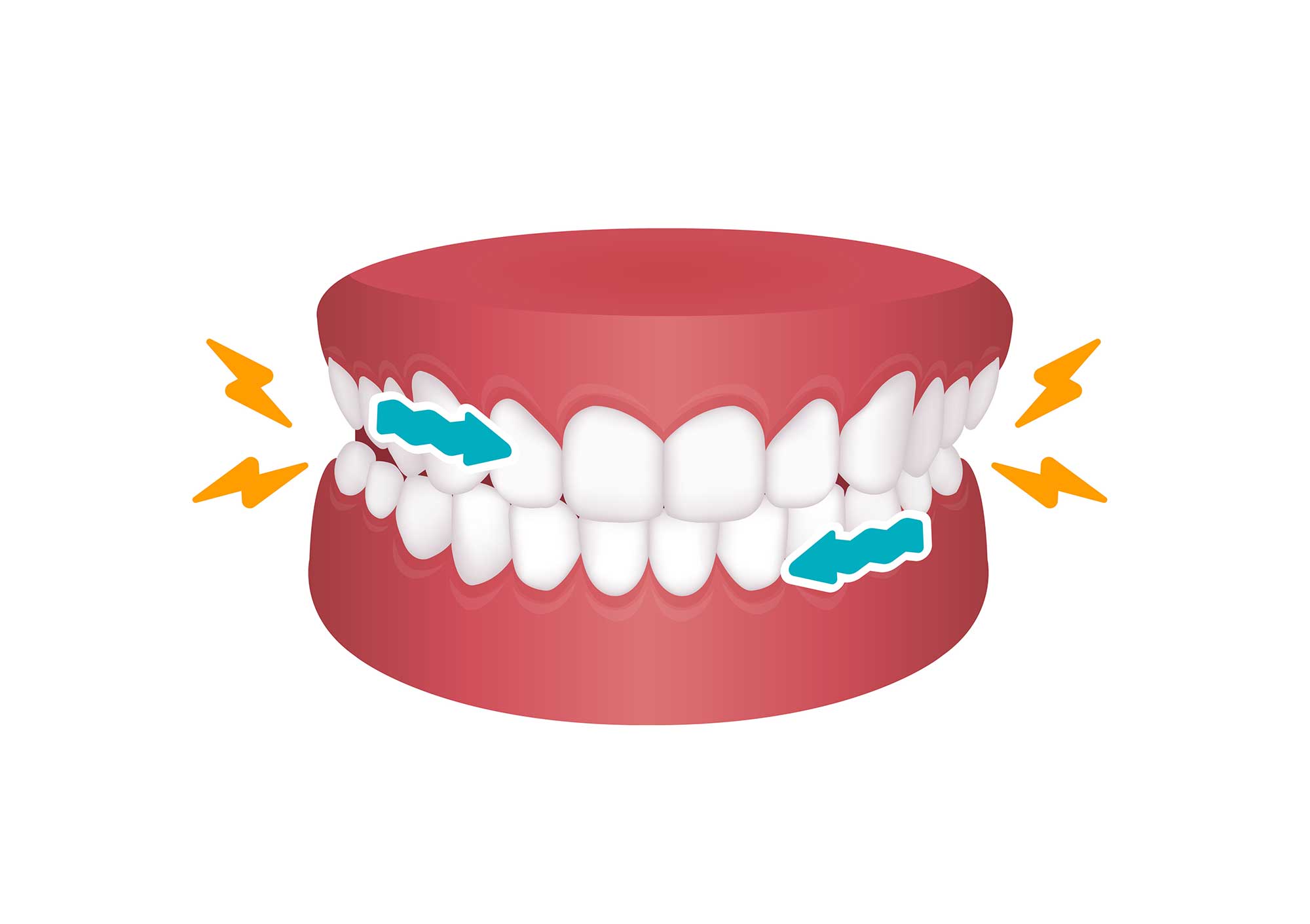
Bruxism is a common condition where individuals grind or clench their teeth, often without realizing it. While occasional teeth grinding is normal, persistent bruxism can lead to significant dental and health issues, including tooth damage and jaw pain. Understanding the underlying causes, such as stress, sleep disorders, and certain lifestyle habits, is the first step in managing the condition. Recognizing symptoms like tooth wear, jaw pain, headaches, and visible tooth damage can help you to seek timely intervention.
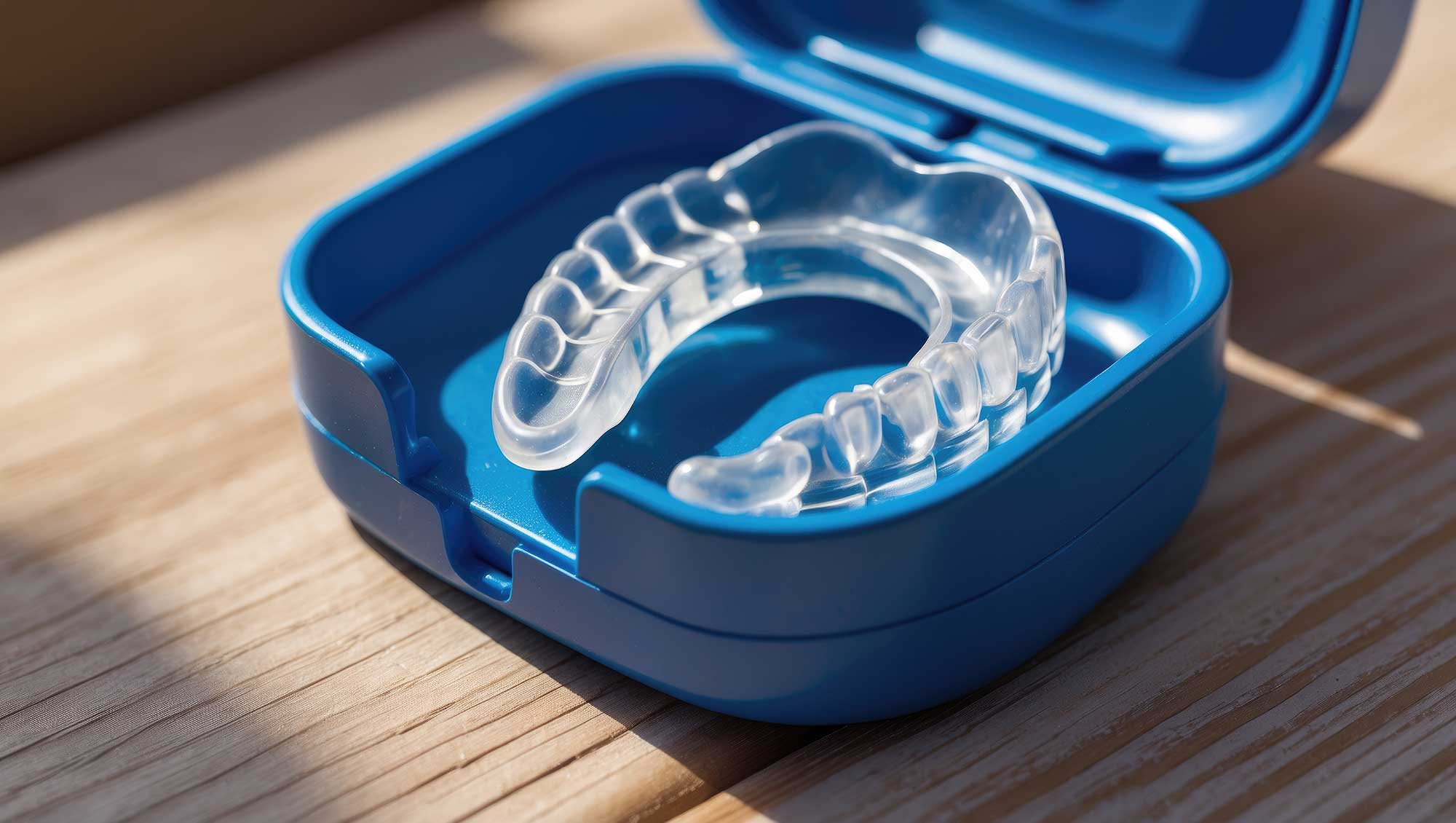
Treatment options range from protective mouthguards and splints to stress reduction techniques and, in some cases, medications. Lifestyle modifications can help, including improving sleep and reducing intake of certain substances, such as caffeine, alcohol, and tobacco, especially in the evening
By addressing bruxism early and adopting appropriate management strategies, individuals can protect their dental health and improve their overall well-being. If you worry, you're experiencing bruxism, don't hesitate to consult a healthcare professional for a proper diagnosis and specific treatment strategies
Oral Health Issues and How to Prevent Them
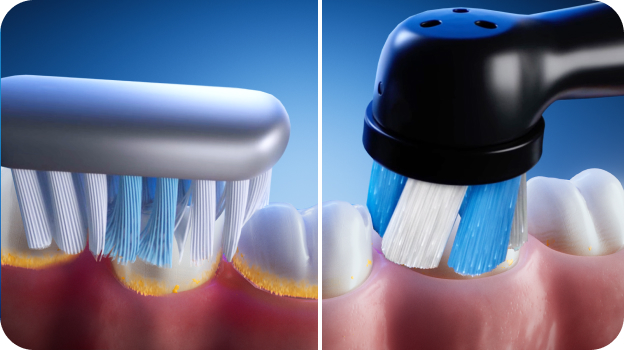
Common oral health issues can include cavities and tooth decay, gum disease, staining and sensitivity. The main culprit of which is often plaque buildup—a sticky film of bacteria that forms on teeth. If not treated, these conditions can lead to tooth loss and may even affect your overall health.
By following a complete oral care routine, you can help nip these issues in the bud, for a stronger, healthier smile:
By following a thorough oral care routine at home and visiting your dental professional at least twice a year, you can reduce the risk of developing tooth decay, gum disease, and protect your smile for years to come.