







Enamel Erosion: Causes, Symptoms, and Treatments

Summary
Key Takeaways
- Acid is the bad guy, and acids from food, drinks, reflux, or vomiting gradually wear away enamel.
- Enamel doesn’t grow back. Once enamel is gone, it’s gone, but you can protect what’s left.
- Sensitivity, discoloration, shiny surfaces, chips, and transparent edges can be early signs of erosion.
- Daily habits can help, such as using the right fluoride and soft toothbrushes, using a straw for acidic drinks, and waiting a bit after eating before brushing.
- Manage health conditions like reflux, eating disorders, dry mouth, and teeth grinding to protect enamel.
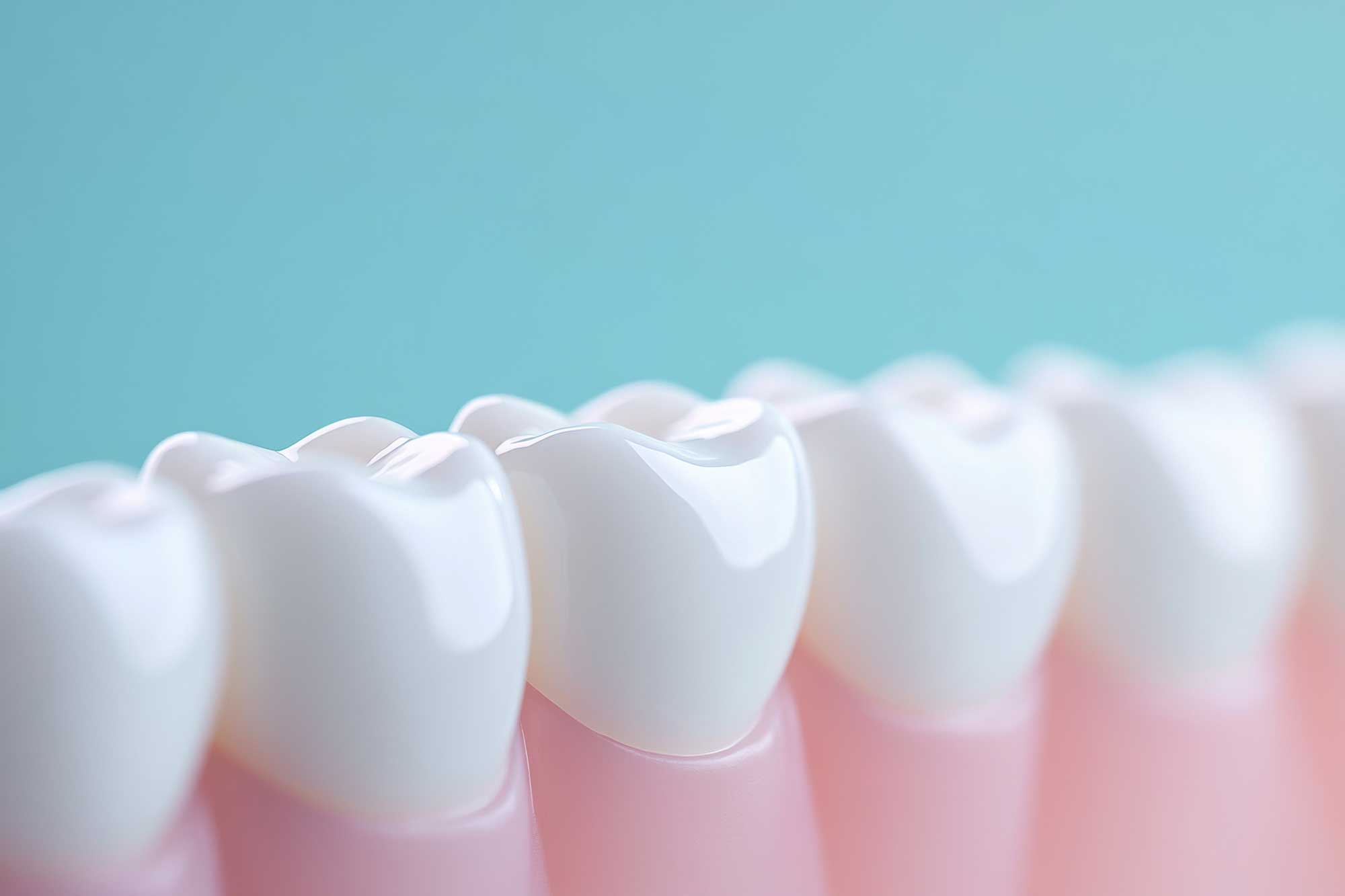
Table of Contents

This blog has been reviewed and approved by Dr Robert Lee, a dental professional of 35 years
LEARN MORE >Key Takeaways
What is Enamel Erosion?

Tooth enamel is the hard, glossy layer that protects the softer dentin underneath. Dentin is a softer, yellowish tissue that makes up the bulk of a tooth, and it needs protection. Normally, your saliva neutralizes acids in your mouth, which helps remineralize the enamel. But when acid exposure is too frequent or intense, enamel can dissolve little by little. The process is gradual and a little bit sneaky, so you might not notice it until you start experiencing tooth sensitivity or cosmetic changes in your teeth. You can’t get enamel back, but there are ways to halt the erosion before it gets worse and preserve what you have left.
What Causes Enamel Erosion?
1) Acidic foods and drinks
A wide variety of foods, such as citrus fruits, soda (even diet), sports drinks, fruit juices, vinegar, wine, sour candies, and kombucha, carry acids that slowly wear away enamel.
2) Digestive Issues
Some conditions expose your teeth to strong stomach acid and wear away enamel, like GERD or frequent vomiting.
3) Dry Mouth
Saliva helps neutralize acid and protect teeth, but some things can reduce saliva and its protective remineralizing qualities. These include medications, health conditions, and dehydration.
4) Teeth Grinding (Bruxism)
Grinding mechanically wears away enamel and can add roughness and chips.
5) Medications
Some are acidic themselves, including vitamin C tablets and aspirin (who knew?), while other medications, such as antihistamines, reduce saliva.
6) Other Exposures
Chlorinated pool water or airborne acids can have a detrimental effect on enamel.
Signs and Symptoms
Some of the signs of enamel erosion are similar to those for tooth decay. So, regardless of which symptoms you may notice, it's important to get checked out by a dental professional.
Tooth Sensitivity
You experience a jolt when eating or drinking, especially things that are hot, cold, sweet, or acidic. As enamel erosion worsens and exposes the underlying dentin, you may start to feel more pain. Dentin contains tiny tubes that lead to the tooth's nerve center (the pulp), making the tooth much more sensitive to stimuli.
Color Changes
Teeth may look yellowish as enamel thins, and the naturally yellow dentin underneath shows through.
Smooth or Shiny Spots
Teeth may look glassy or smooth in some areas.
Rounded or Transparent Edges
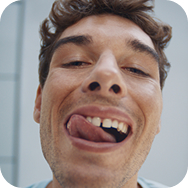
Front teeth might appear translucent or glossy, or they might look worn down.
Cupping or Dents
Small round depressions may appear on the chewing surfaces and sometimes make fillings appear high.
Chips or Cracks
Enamel weakened by acid can break more easily.
Prevention and Self-Care
For as many causes of enamel erosion as there are, there's an equal number of ways to reduce or prevent them.
✔ Change what you eat and drink
Cut back on soda, fruit juice, sports drinks, and sour candies. Consider drinking sweet drinks only with meals, not throughout the day. Use a straw for acidic drinks to reduce acid contact with your teeth. Follow acid-rich foods with neutralizing foods and drinks, including water, milk, cheese, and yogurt.
✔ Be mindful of oral care
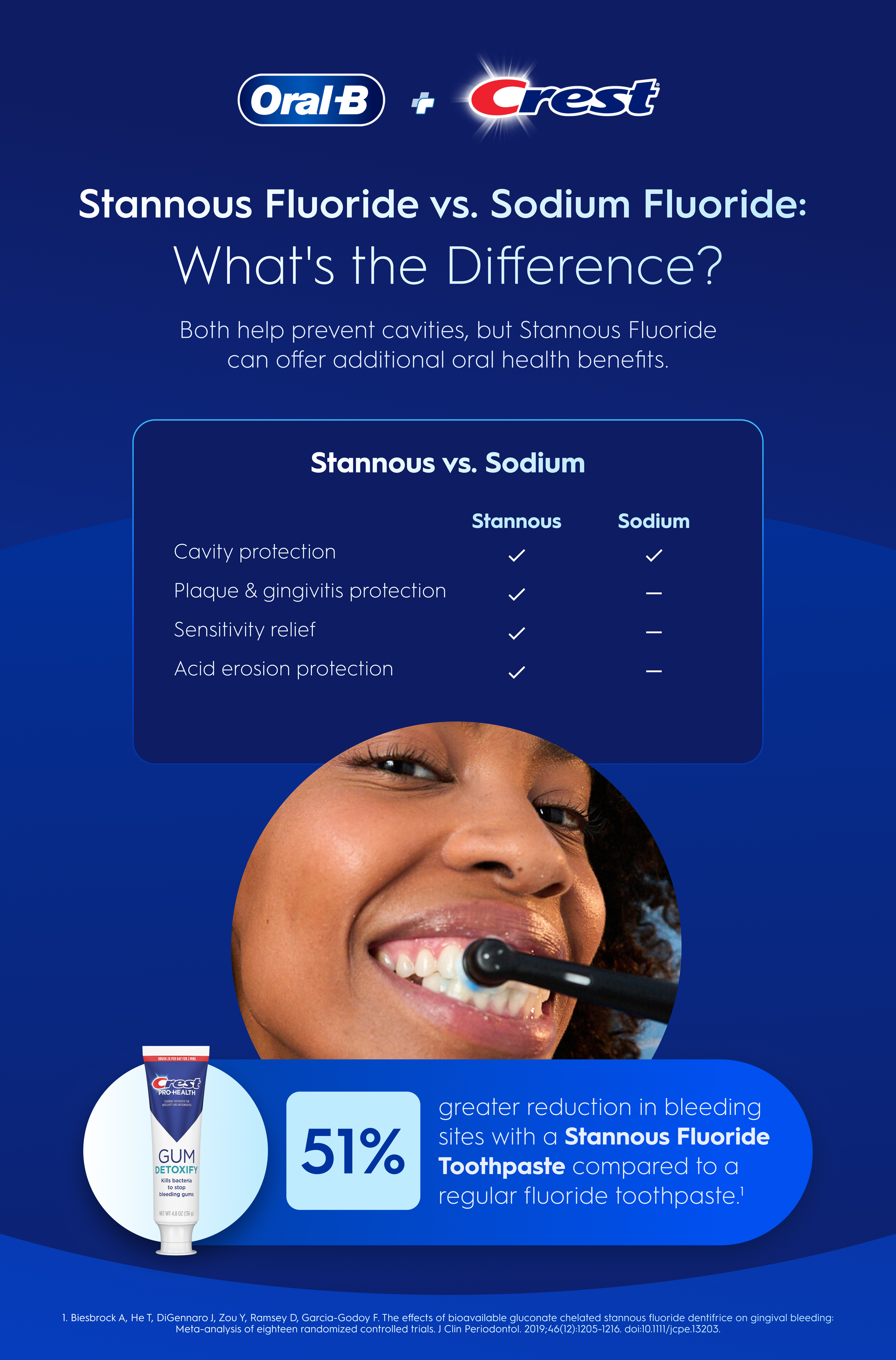
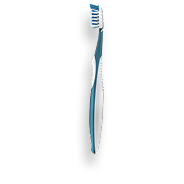
Use low-abrasion stannous fluoride toothpaste, which strengthens enamel, and use a soft-bristled toothbrush, which is gentler on your teeth. Wait 30 minutes after acidic meals before brushing to avoid brushing softened enamel. Chew sugar-free gum to encourage saliva production and avoid dry mouth.
✔ Keep hydrated
Drinking water regularly and staying hydrated helps keep the saliva flowing.
✔ Address health triggers
GERD or vomiting: Rinse with water or a baking soda mixture to neutralize acid and consult with your doctor about lifestyle changes. These can include avoiding lying down after eating, using Proton Pump Inhibitors (PPIs), and raising your bed.
Night grinding: wear a custom night guard to reduce wear
Professional Treatments

Early intervention means easier and smaller remedies. Waiting can lead to more complex and expensive procedures.
- Fluoride varnish or gel: Helps strengthen remaining enamel, can help repair the earliest stages of mineral loss, and eases sensitivity.
- Bonding: Tooth-colored resin coats worn or discolored areas.
- Crowns or veneers: Cover and protect the teeth and are used for more severe cases.
- Fillings or root canals: Used if decay or structural issues emerge.
- Underlying conditions: It's essential to get professional help for conditions that contribute to enamel. erosion, such as acid reflux, eating disorders, and frequent vomiting.
Summary
Enamel is your teeth's natural armor. Enamel erosion happens when acids from foods, drinks, reflux, or certain habits wear down the enamel. Signs that you are having erosion include sensitivity to hot or cold, yellowing, shiny spots, dents, chips, or translucent edges on your teeth.
Enamel can’t grow back, but it can be protected. Simple steps like limiting acidic treats, drinking through a straw, rinsing or chewing gum after meals, drinking water, and using stannous fluoride boost your defense against erosion. Also, managing reflux, avoiding mouth grinding, and taking care with brushing make a big difference.
When erosion is spotted early, dentists can apply fluoride varnishes or bonding. In more serious cases, crowns or veneers help restore strength and comfort. A few smart daily choices and prompt dental visits can keep your enamel safe and your teeth strong for years to come.
Oral-B Oral Hygiene Tips to Help Cavities, Tooth Decay and Tartar
Things like tooth decay, bleeding gums and tooth loss aren't normal. But prevention is possible with routine oral care. Plaque left on teeth causes acids that can erode tooth enamel, leading to a host of problems. So, to avoid cavities, tooth decay, and tartar, maintain a proper oral hygiene regimen with these tips from Oral-B:
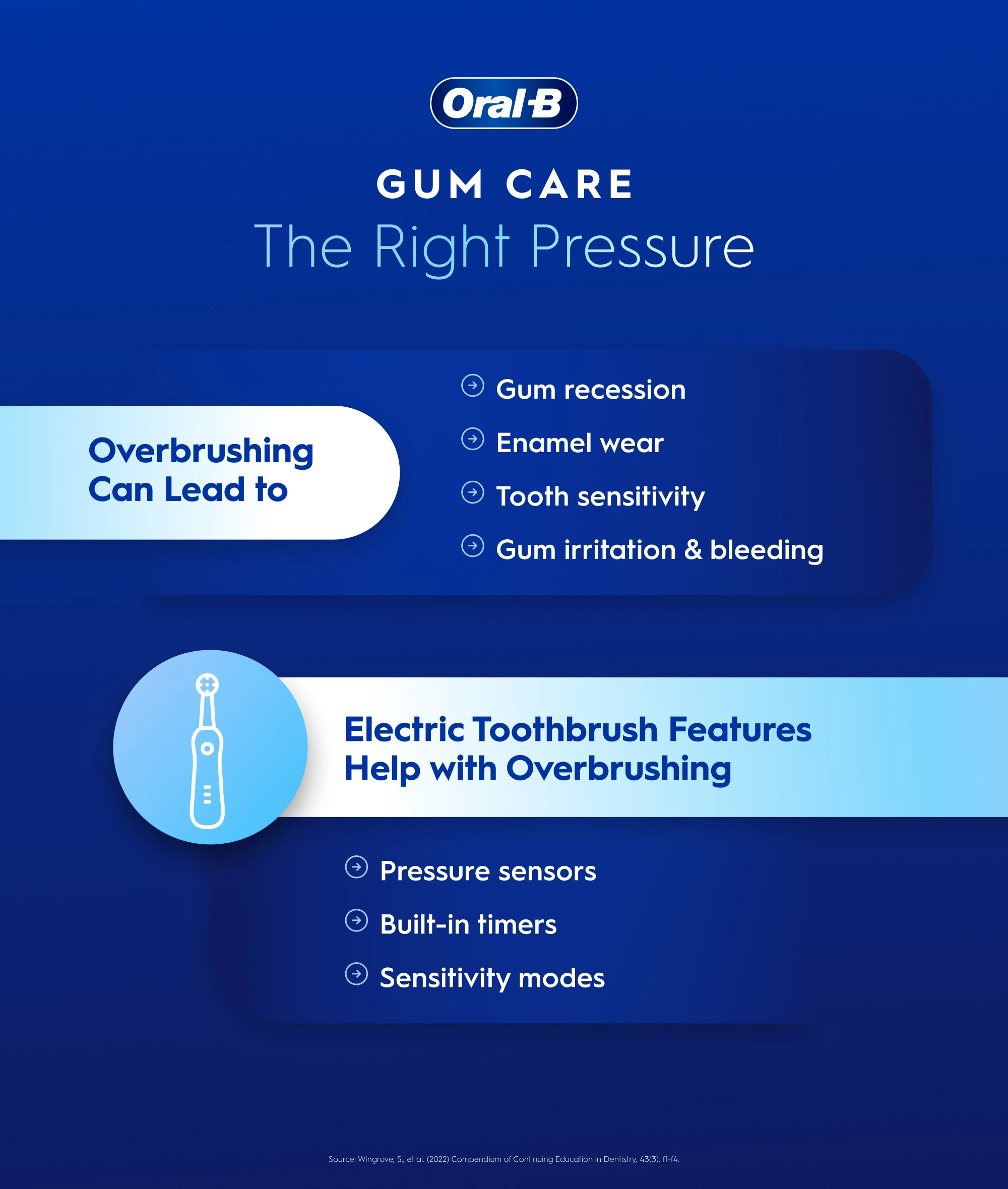
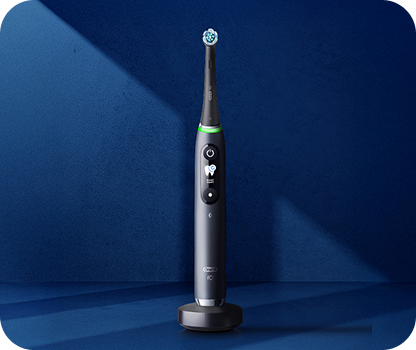
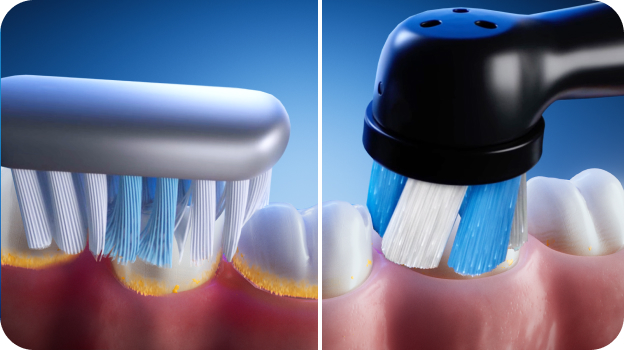
- Brushing your teeth with an Oral-B iO electric toothbrush removes 100% more plaque than a manual toothbrush, with better coverage of hard-to-reach inside surfaces.2 Less plaque means less tartar and fewer cavities.
- The right toothbrush head, such as the Oral-B iO Gentle Care brush head, contain dentist-inspired soft bristles and optimized bristle patterns that adapt to the curves of the teeth and gums and provide a gentle clean with maximum comfort.
- To help neutralize plaque bacteria, brush with stannous fluoride toothpaste, such as Crest Pro-Health Advanced. Its formula provides long-lasting protection against plaque, gingivitis, cavities, and tartar.
- Add a Crest mouthwash like Crest Pro-Health Multi-Protection to your routine to help protect against cavities and tartar buildup.
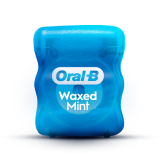
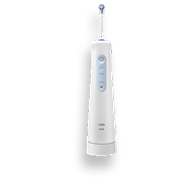
- Reduce your risk of developing tooth decay by removing plaque, floss your teeth at least once daily with Oral-B floss. For extra protection against cavities and tartar, an Oral-B water flosser is an easy upgrade.
FAQs
-
Can you reverse enamel erosion?
-
What causes enamel erosion?
-
How to stop enamel erosion?
-
How is enamel erosion diagnosed?
Sources
- https://www.ada.org/resources/ada-library/oral-health-topics/dental-erosion
- https://my.clevelandclinic.org/health/diseases/tooth-erosion
- https://www.healthline.com/health/enamel-erosion
- https://www.mayoclinic.org/healthy-lifestyle/adult-health/expert-answers/sensitive-teeth/faq-20057854
- https://www.webmd.com/oral-health/tooth-enamel-erosion-restoration
Faller, R. V., & Noble, W. H. (2018). Protection From Dental Erosion: All Fluorides are Not Equal. Compendium of Continuing Education in Dentistry (Jamesburg, N.J. : 1995), 39(3), e13–e17.
Grender, J., et al. (2022). A 12-Week Randomized Controlled Trial Comparing a Novel Electric Toothbrush With an Extra Gentle Brush Head to a Manual Toothbrush for Plaque and Gingivitis Reduction. Compendium of Continuing Education in Dentistry (Jamesburg, N.J. : 1995), 43(3), f20–f29.
West, N. X., et al. (2021). Bioavailable gluconate chelated stannous fluoride toothpaste meta-analyses: Effects on dentine hypersensitivity and enamel erosion. Journal of Dentistry, 105, 103566. https://doi.org/10.1016/j.jdent.2020.103566
Zou, Y., et al. (2024). A meta-analysis comparing toothbrush technologies on gingivitis and plaque. International Dental Journal, 74(1), 146-156. https://doi.org/10.1016/j.identj.2023.06.009
Table of Contents
- What is Enamel Erosion?
- What Causes Enamel Erosion?
- Signs and Symptoms
- Prevention and Self-Care
- Professional Treatments
- Summary
- Oral-B Oral Hygiene Tips to Help Cavities, Tooth Decay and Tartar
-
- FAQs
- Sources

This blog has been reviewed and approved by Dr Robert Lee, a dental professional of 35 years
LEARN MORE >
Sign Up
for oral care tips, expert advise, and exclusive offers.
Sign Up
for oral care tips, expert advise, and exclusive offers.