Oral Thrush (Thrush): Causes, Symptoms, and Treatments

Summary
Key Takeaways
- Oral thrush is a yeast infection in the mouth caused by the Candida fungus.
- Commonly appears as white patches on the tongue, cheeks, or throat.
- Risk factors for oral thrush include weakened immunity, antibiotic use, and certain health conditions.
- Treatments include antifungal medications, lifestyle changes, and good oral hygiene.
- Generally easy to treat, but it can recur if the underlying causes aren’t addressed.
Table of Contents

This blog has been reviewed and approved by Dr Robert Lee, a dental professional of 35 years
LEARN MORE >Key Takeaways
What Is Oral Thrush?
Oral thrush is a fungal infection in the mouth caused by Candida albicans, a type of yeast that naturally lives in small amounts in our mouths, our digestive tracts, and on our skin. Candida albicans is normally kept in check by the body, but when the yeast grows too much, it can lead to thrush.
It can also affect those who have recently completed a course of antibiotics, which can disrupt the normal balance of bacteria in the mouth. Oral thrush won’t heal itself, but it is easy to treat. In most cases, oral thrush requires treatment to resolve and does not go away on its own.
Causes of Oral Thrush
Several factors can cause or contribute to the overgrowth of Candida in the mouth:
- Weakened Immune System: People with certain conditions are more susceptible as their bodies can’t fight off yeast overgrowth effectively. These include HIV/AIDS, cancer, and undergoing chemotherapy
- Antibiotics: Broad-spectrum antibiotics can kill both harmful and helpful bacteria, giving yeast more room to grow unchecked
- Diabetes: High blood sugar levels can feed yeast, so those with uncontrolled diabetes often have higher sugar levels in their mouths, helping Candida thrive.
- Dry Mouth: Saliva helps wash away food particles and keeps the balance of organisms in the mouth. A dry mouth, from medication or a health condition, can make it easier for thrush to develop
- Dentures: Dentures, especially if they don’t fit well or aren’t cleaned regularly, can create a warm, moist environment that allows for yeast to grow
- Corticosteroids: Inhaled corticosteroids, used for asthma or nasal allergies, can sometimes lead to thrush, especially if the mouth isn’t rinsed after use
- Smoking: Tobacco can change the mouth’s environment and weaken its natural defenses against things like thrush
Symptoms of Oral Thrush
Symptoms of oral thrush may not be noticeable in the very early stages. Be on the lookout for:
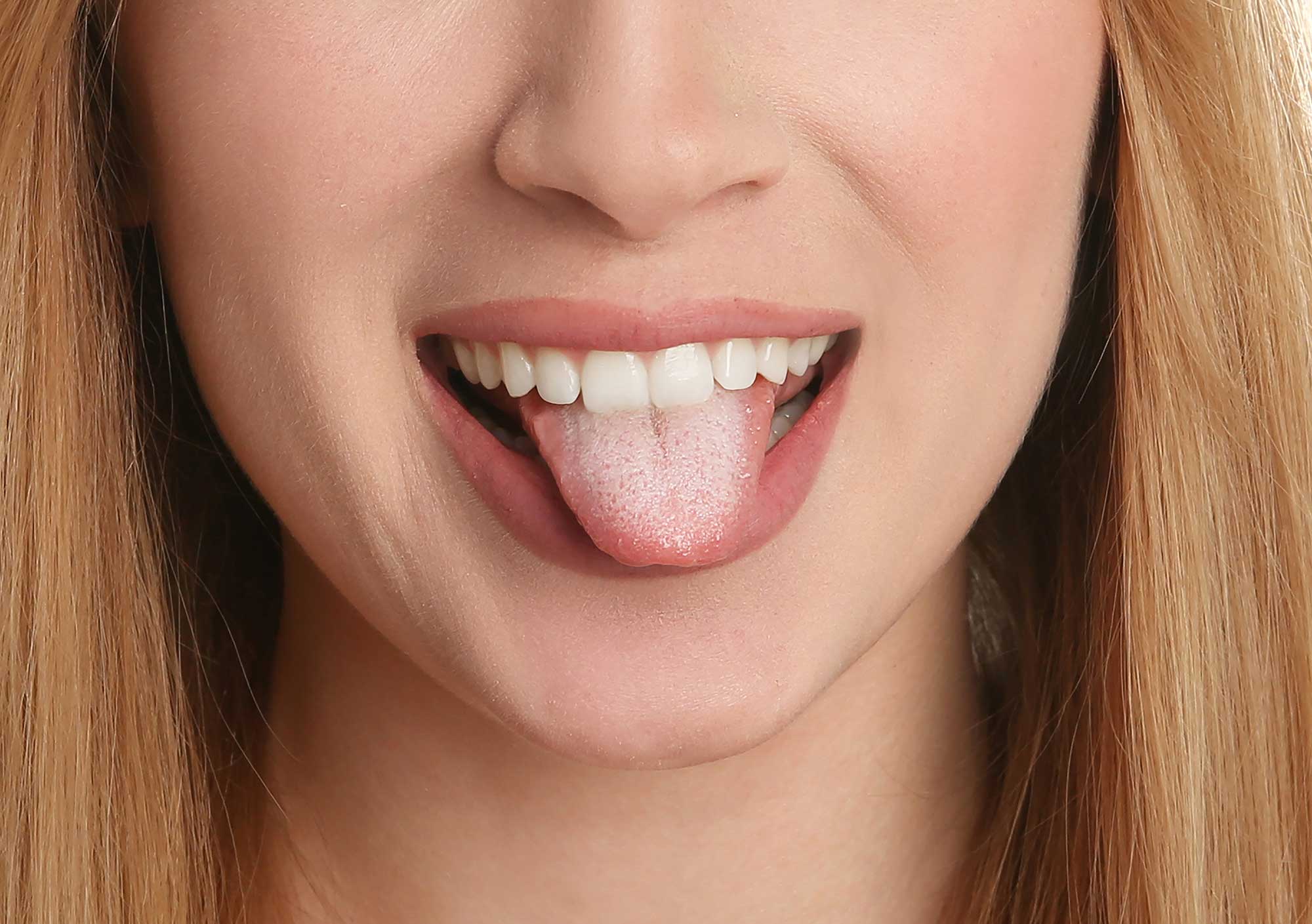
- White patches: Creamy white, slightly raised lesions in the mouth located on the tongue, inner cheeks, roof of the mouth, gums and tonsils
- Redness or Soreness: May cause difficulty eating or swallowing
- Cotton Mouth: A dry, cottony feeling in the mouth
- Cracking and redness in mouth corners: Especially in denture wearers
- Loss of taste: This can be a lack of taste or a strange, unpleasant taste in the mouth
- In babies: look for Irritability or difficulty feeding
How Is Oral Thrush Diagnosed?
It’s often identified by visual inspection of the mouth by your dentist or dental hygienist. Your healthcare provider might also gently scrape a patch to examine under a microscope. Further tests may also be ordered to rule out underlying conditions. This is often done when the infection is severe or recurrent
Treatment Options
Thrush is treatable. Your doctor may recommend one or more of the following treatment options:
- Sometimes, antibiotics or inhaled steroids trigger the thrush. Your healthcare provider might adjust the dosage or suggest an alternative medication
- Diabetes, in which case, better sugar control can help with thrush
- Lozenges that dissolve in your mouth
- Oral suspensions, which are liquids that you swish around your mouth and then swallow
- Pills or tablets which are typically used for more widespread or stubborn cases
- Avoid sugar and yeast-rich foods. They can encourage fungal growth
- Rinse your mouth after using inhaled corticosteroids
- Saltwater rinse can soothe irritation
- Baking soda rinse can help neutralize acids and reduce fungal growth
- Apple cider vinegar: While some sources suggest apple cider vinegar rinses may have antifungal properties, it is highly acidic and can damage tooth enamel. If you choose to try this home remedy, it's important to rinse your mouth thoroughly with plain water afterward to help neutralize the acid.
Figure Out the Cause:
Antifungal Medications: Common medications include Nystatin, Clotrimazole, and Fluconazole, which come in several forms.
Home Remedies and Lifestyle Changes: Home remedies alone aren’t enough to treat thrush, but they can help when used along with prescribed medications
How to Prevent Oral Thrush
Fortunately, there are some easy ways to keep oral thrush from occurring.
- Brush your teeth regularly and floss daily
- Rinse your mouth after using inhalers, especially inhalers with corticosteroids
- Clean dentures thoroughly and remove them at night
- Control diabetic blood sugar
- See your dentist regularly
- For babies, sterilizing bottles, pacifiers, and breastfeeding items helps prevent the spread of yeast
When to See a Doctor
- Symptoms persist for more than a week
- You have frequent recurrences of thrush, which can be a sign of an underlying condition
- You’re in pain or have trouble eating
- You have a weakened immune system
Summary
Oral thrush is a common infection caused by the Candida fungus that affects the mouth and throat. It commonly presents as white patches on the tongue, cheeks, or throat. Other symptoms include redness or soreness, cotton mouth, and cracking in the corners of your mouth. Certain factors can increase the risk of developing oral thrush, including a weakened immune system, antibiotic use, and certain health conditions, such as diabetes. Dentures can also be a risk factor, especially if they’re not cleaned regularly.
Fortunately, thrush is easy to treat. Your doctor may prescribe antifungal medications such as Nystatin, Clotrimazole, and Fluconazole. They may also adjust existing medications that can be a trigger, including antibiotics and inhaled corticosteroids.
There are some easy ways to keep oral thrush from occurring at all. It starts with brushing your teeth twice a day and flossing daily. Denture wearers should clean them thoroughly and remove them at night. As always, see your dentist or dental hygienist regularly. They can help diagnose and treat oral thrush if it occurs.
Oral Health Issues and How to Prevent Them

Common oral health issues can include cavities and tooth decay, gum disease, staining, and sensitivity. The main culprit of which is often plaque buildup—a sticky film of bacteria that forms on teeth. If not treated, these conditions can lead to tooth loss and may even affect your overall health.
By following a complete oral care routine, you can help nip these issues in the bud, for a stronger, healthier smile:
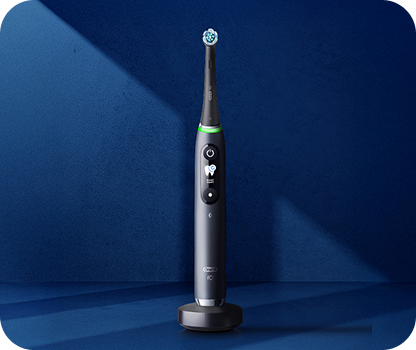
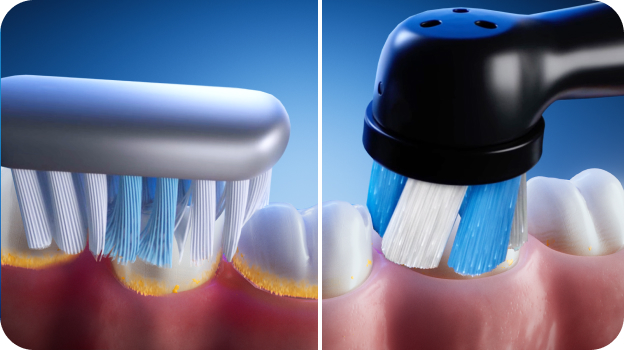
- Brush 2X/day with an Oral-B iO Electric Toothbrush: An electric toothbrush, like an Oral-B iO, helps remove 100% more plaque than a regular manual toothbrush. The dentist-inspired round brush head surrounds each tooth as it adapts to the curves of teeth and gums to ensure a cleaner, healthier smile—even in hard-to-reach areas.
- Protect Your Smile with Crest Pro-Health Toothpaste: Make sure to brush twice a day with a stannous fluoride toothpaste. Not only does it help fight cavities and tooth decay, a Crest toothpaste formulated with stannous fluoride like Crest Pro Health also helps keep enamel strong, can fight sensitivity, and offers protection from plaque buildup when you brush twice a day.
- Rinse with Crest Pro-Health Mouthwash: Swish with an antibacterial mouthwash like Crest Pro-Health Mouthwash to kill plaque bacteria, help prevent new plaque from forming, support gum health, and leave your mouth feeling clean and fresh.
- Pair String Floss with an Oral-B Water Flosser: Flossing once daily helps dislodge plaque and debris from between teeth. Adding a water flosser to your routine can help remove any leftover food particles and plaque buildup for an added layer of protection.
By following a thorough oral care routine at home and visiting your dental professional at least twice a year, you can reduce the risk of developing tooth decay, gum disease, and protect your smile for years to come.
FAQs
-
Is oral thrush contagious?
-
How to get rid of oral thrush
Sources
- https://www.cedars-sinai.org/health-library/diseases-and-conditions/c/Candida-infection-thrush.html
- https://my.clevelandclinic.org/health/diseases/10956-thrush
- https://www.mayoclinic.org/diseases-conditions/oral-thrush/symptoms-causes/syc-20353533#
- https://www.webmd.com/oral-health/remedies-for-oral-thrush
- https://www.ada.org/resources/ada-library/oral-health-topics/home-care
- https://www.cdc.gov/oral-health/prevention/oral-health-tips-for-adults.html
- https://my.clevelandclinic.org/health/treatments/16914-oral-hygiene
- https://www.mayoclinic.org/healthy-lifestyle/adult-health/in-depth/dental/
- https://www.nidcr.nih.gov/health-info/oral-hygiene
- He, T., et al. (2017). The Case for Stabilized Stannous Fluoride Dentifrice: An Advanced Formulation Designed for Patient Preference. Journal of Clinical Dentistry, 28(4 Spec No B), B1-5. https://pubmed.ncbi.nlm.nih.gov/29334434/
- Hu, P., et al. (2024). The Effect of Oral Care Product Ingredients on Oral Pathogenic Bacteria Transcriptomics Through RNA-Seq. Microorganisms, 12(12), 2668. https://doi.org/10.3390/microorganisms12122668
- Zou, Y., et al. (2024). A meta-analysis comparing toothbrush technologies on gingivitis and plaque. International Dental Journal, 74(1), 146-156. https://doi.org/10.1016/j.identj.2023.06.009
Table of Contents
- What Is Oral Thrush?
- Causes of Oral Thrush
- Symptoms of Oral Thrush
- How Is Oral Thrush Diagnosed?
- Treatment Options
- How to Prevent Oral Thrush
- When to See a Doctor
- Summary
- Oral Health Issues and How to Prevent Them
-
- FAQs
- Sources

This blog has been reviewed and approved by Dr Robert Lee, a dental professional of 35 years
LEARN MORE >
Sign Up
for gum care tips, expert advice, and exclusive offers.
Sign Up
for gum care tips, expert advice, and exclusive offers.