


















-
Contents
- What is Tooth Plaque?
- What is Tartar?
- Prevent Tartar and Plaque Buildup on Teeth
- Tartar: The Hard Truth
- Related Articles
- FAQs

Tooth Plaque and Dental Tartar
10 minute read
Last updated 06/2025
Share


This blog has been reviewed and approved by Dr Robert Lee, a dental professional of 35 years
Learn MoreSummary
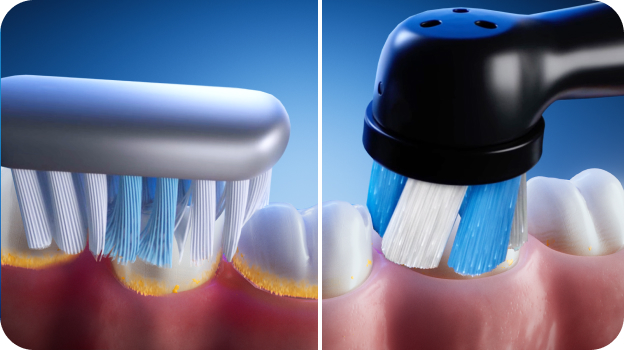
When not removed with regular brushing and flossing, plaque buildup can turn into dental tartar—a hard deposit that can only be removed by a dental professional. Proactively prevent tartar from taking root by brushing with an electric toothbrush which removes 100% more plaque than a regular manual toothbrush.
Lots of people ask their dental professional if there’s a difference between plaque and tartar—and it’s a great question. Both plaque and tartar buildup are common dental problems. Significant plaque buildup can result in tooth decay and gum disease. Tartar is calcified plaque. Arming yourself with the facts can help you be smarter about how you care for your teeth.
What is Tooth Plaque?
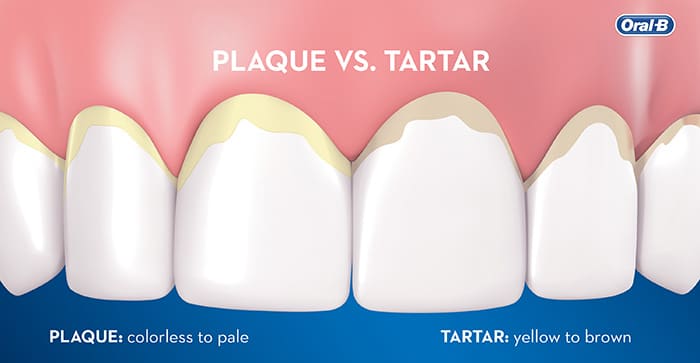
Plaque is sticky, colorless film containing bacteria that builds up naturally on tooth surfaces, especially along the gum line within four to 12 hours after brushing.
When saliva, sugars in food, and fluids combine with plaque, it produces bacteria deposits that release acids, which collect where the teeth and gums meet.
Plaque contains bacteria, which produces acids that attack your tooth enamel and can damage your gums and create cavities. If not treated, the damage could become permanent. When plaque accumulates and is not removed,v it can mineralize, trapping stains and turning into tartar. Plaque is the root cause of many oral health issues. Plaque bacteria can also contribute to gum disease, like gingivitis. Regular brushing and flossing are your most effective tools in the fight against plaque so we recommend using an electric toothbrush. If it’s not removed daily, plaque eventually accumulates and hardens into tartar.
What is Tartar?
Tartar is tough—it’s a hard, crusty deposit that can trap stains and leads to tooth discoloration. Tartar is formed when residual plaque on the surface of the tooth reacts with minerals in your saliva. Tartar is a yellow or brown colored deposit that forms when plaque mineralizes on your teeth. Susceptibility to tartar buildup varies greatly depending on the individual person. Generally, as you age, you become more prone to having tartar form on your teeth.
Prevent Tartar and Plaque Buildup on Teeth
Plaque buildup can lead to gingivitis and gum disease, so it is important to take steps for treatment and prevention.
- Regular Cleanings: See your dental professional every 6 months for a thorough cleaning.
- Use Fluoride Toothpastes: Brush with an anti-bacterial fluoride toothpaste like Crest Pro-Health. All Crest Pro-Health toothpastes are specifically formulated to fight bacteria that develops in your mouth.
- Floss Daily: Floss at least once a day to remove food particles and plaque between teeth. Pair regular floss with an irrigator like the Oral-B Water Flosser Advanced. Its unique Oxyjet Technology deep cleans and detoxifies* below the gumline to help eliminate plaque bacteria for healthier gums and cleaner teeth.
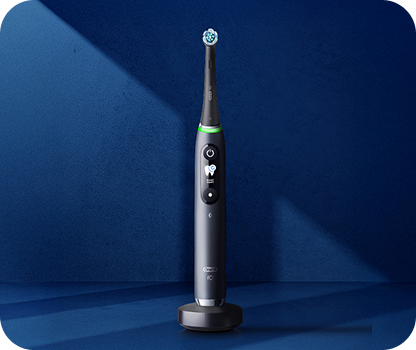
- Use an Electric Toothbrush: Use a high-quality electric toothbrush like the Oral-B iO Series and remember to replace your brush head every 3 months.
- Incorporate Mouthwash: Add a mouthwash to your routine, such as Crest Pro-Health Multi-Protection Rinse, to help protect against the buildup of plaque and prevent gingivitis.
- Eat Healthy: Eating well-balanced meals and brushing after snacks will help to reduce the formation of plaque.
*Helps reduce plaque bacteria and inflammatory components associated with gingivitis, when used as an adjunct to brushing, flossing and regular professional care.

Tartar: The Hard Truth
Only a dentist can remove tartar, but you can proactively prevent it with a good brushing regimen utilizing Oral-B® Electric Toothbrushes.
Shop this article
1040|690
Science worth a scroll.

How to Get Rid of Plaque and Remove Tartar Buildup
The best way to remove plaque buildup is with a complete oral hygiene routine. When plaque....
Read more
Back Teeth Cavities and Plaque Bacteria
Due to the intricate grooves and ridges, back teeth can trap food particles and plaque, leading to.....
Read more
The Benefits of Electric Toothbrush vs. Manual
Trying to decide between an electric toothbrush and a manual one? If you want one of the easiest...
Read more
The Best Electric Toothbrush of 2021
Prevent common braces problems such as plaque buildup, tartar, and bad breath with a complete oral care routine....
Read moreFAQs
What is the main difference between plaque and tartar?
Plaque is a soft, sticky film of bacteria that forms on teeth and can usually be removed with daily brushing and cleaning between teeth. Tartar, also called calculus, is hardened plaque that has mineralized on the teeth. Once tartar forms, it cannot be removed with a toothbrush and needs to be removed by a dental professional.
Can I remove tartar at home with a toothbrush?
No. You cannot remove tartar at home with a toothbrush. Brushing twice a day with fluoride toothpaste and cleaning between teeth once a day can help remove plaque before it hardens. An electric toothbrush, such as an Oral-B iO, may also help improve plaque removal when used as directed. Existing tartar needs to be removed by a dentist or dental hygienist during a professional cleaning.
Does tartar cause bad breath?
Tartar itself doesn't directly cause bad breath, but it serves as an ideal surface for plaque buildup, which harbors odor-causing bacteria. These bacteria produce sulfur-containing compounds that can lead to unpleasant breath. Regular dental cleanings and effective at-home oral hygiene practices can help minimize tartar buildup and reduce bad breath.
How quickly does plaque turn into tartar?
Plaque can begin to harden into tartar in as little as 24 to 72 hours if not removed through proper oral hygiene. The mineralization process, which involves minerals in your saliva bonding with the plaque, starts quickly. However, the exact timing can vary from person to person based on individual oral hygiene habits, saliva composition, and overall dental health. Regular brushing and flossing help prevent plaque from mineralizing into tartar.
Why does tartar build up behind the lower front teeth?
Tartar often builds up behind the lower front teeth for several reasons. First, these teeth are close to the salivary glands that release mineral-rich saliva, which speeds up the mineralization of plaque into tartar. Additionally, the lower front area can be more challenging to clean thoroughly during brushing and flossing, allowing plaque to accumulate more easily.
