Dr Robert Lee is a dentist with more than thirty years of experience in the industry.
Graduating from the University of Sydney with a Bachelor of Dental Surgery and from the University of New South Wales with a Master of Business Administration, Robert’s career has taken him all over the world – from Australia to Germany to his current position in Chicago, where he is the founder of Denticus Inc., offering strategic dental consulting.
Robert has previously worked for Procter & Gamble as the Director of Professional Scientific Relations in both the Cincinnati and Sydney offices, being responsible for external relations and scientific exchange with leading professional associations and industry thought leaders. He was also responsible for all technical and scientific training for the professional teams in North America and Australia.
You can find a list of some of the other blogs Robert has approved below:
Takeaway #1: Electric toothbrushes offer several benefits over manual toothbrushes. They provide superior plaque removal.
2
Takeaway #2: Some electric toothbrushes have advanced technology features including oscillating/rotating bristles, built-in timers, pressure sensors, and Bluetooth technology.
3
Takeaway #3: Electric toothbrushes are suitable for most people, and they make brushing easier and more thorough, promoting better oral health outcomes.
Summary
Trying to decide between an electric toothbrush and a manual one? If you want one of the easiest and most effective ways to care for your teeth, it’s worth doing some research. Why? Because unlike a manual brush, an electric one does the work effectively for you.
Electric Toothbrush vs. Manual: Differences
Manual and electric toothbrushes are both designed to clean your teeth, but they work in different ways. These differences can impact your oral health. Let's take a look.
Manual Toothbrush
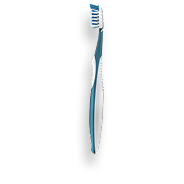
A manual toothbrush is often made with a plastic handle and soft bristles. To use it, just add toothpaste and start brushing.
With a manual toothbrush, you control all the movement, guiding the brush across every surface of your teeth to remove plaque and food.
Manual toothbrushes are lightweight, easy for travel, and simple to replace.
Electric Toothbrush
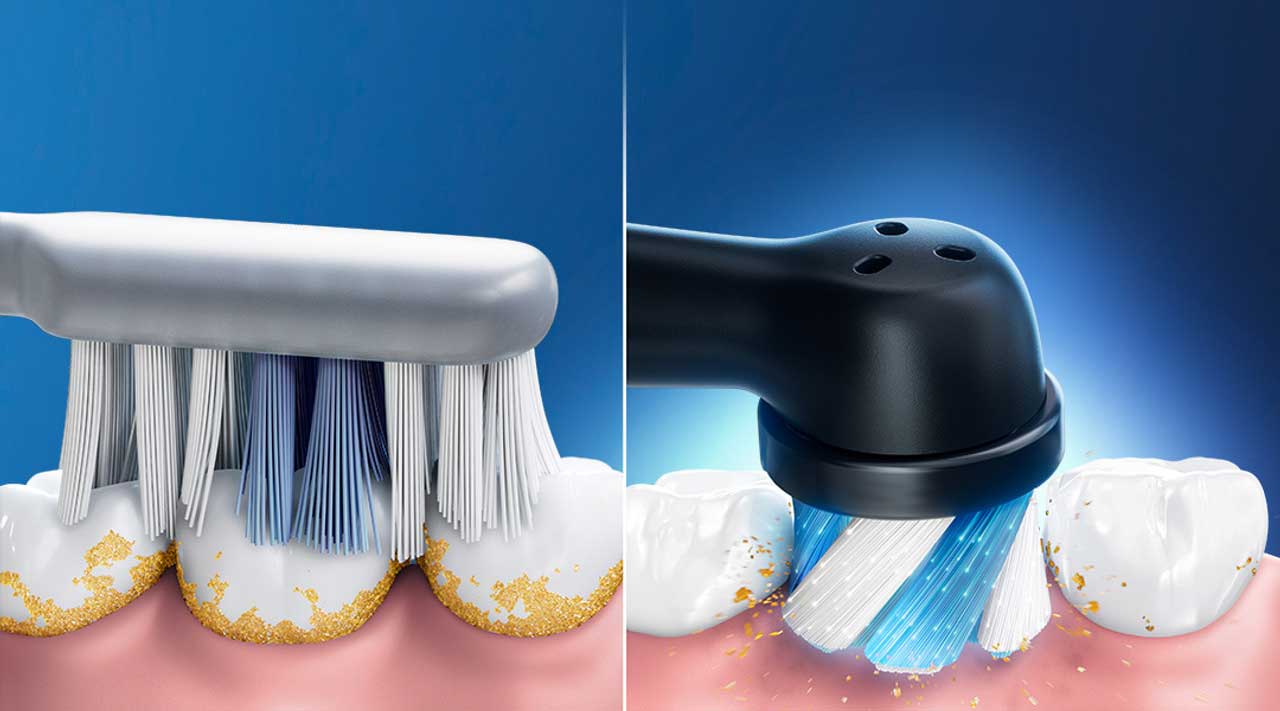
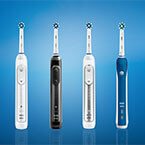
An electric toothbrush is a more advanced option that moves the bristles for you. Studies have shown that they can remove plaque and food more effectively than manual brushing. You still guide the brush, but it handles most of the work, helping you achieve an optimal cleaning.
What Are the Benefits of an Electric Toothbrush?
Now that you know the differences between an electric toothbrush vs. manual, let's dive into the benefits of an electric toothbrush.
Superior Plaque Removal
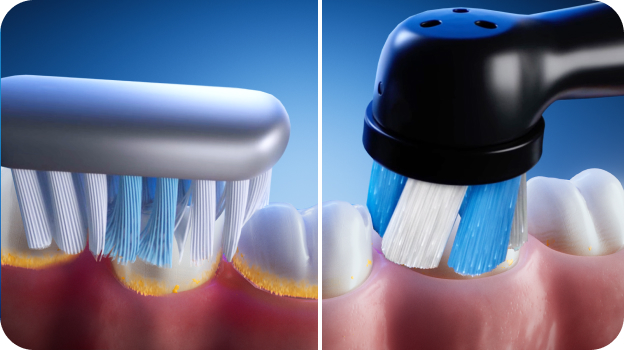
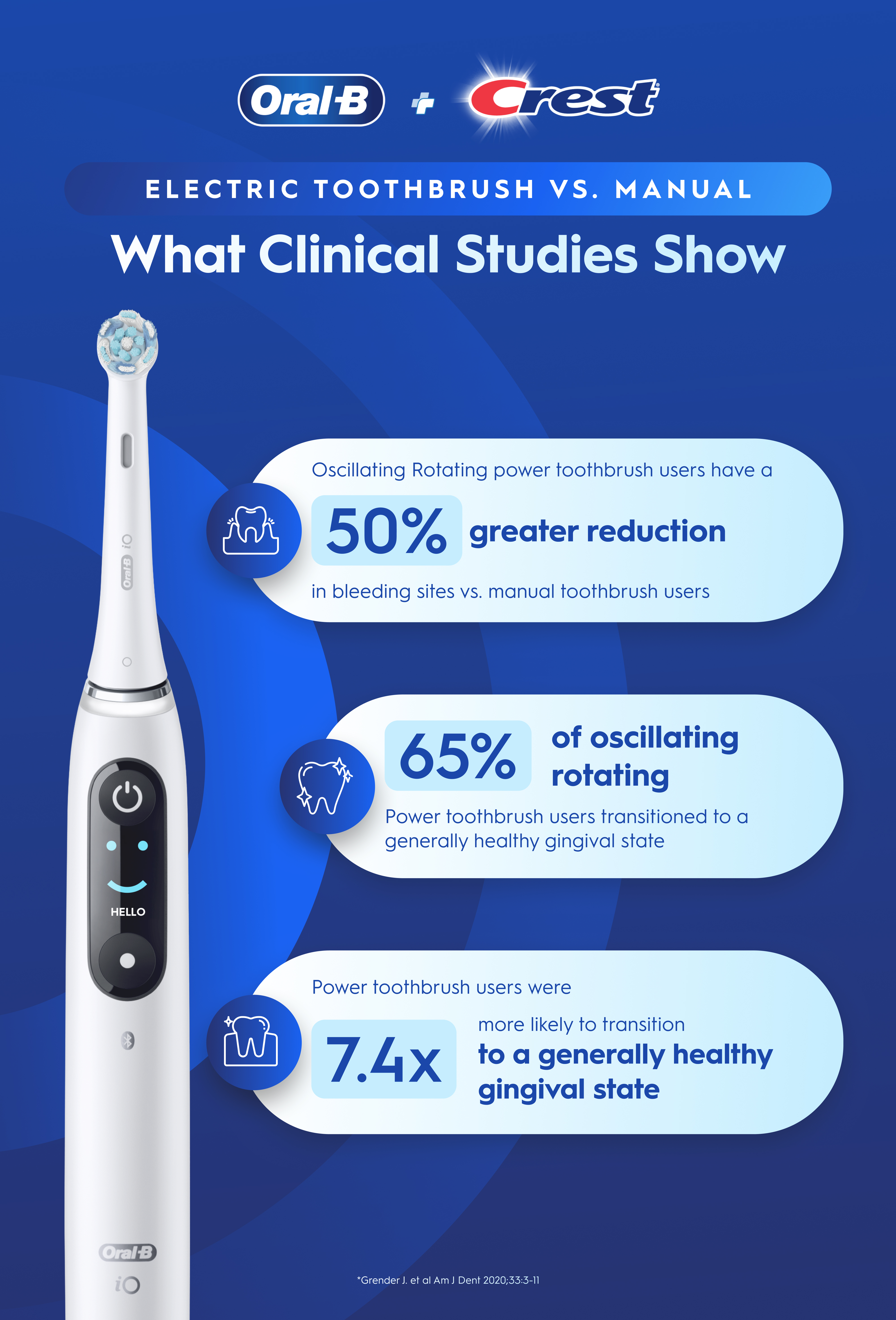
Simply stated, rechargeable electric toothbrushes (or "power" toothbrushes) provide superior plaque removal compared to regular manual toothbrushes, a finding supported by major independent reviews and numerous clinical studies.
Ease of Use
While you need to follow a proper technique as recommended by your dentist for effective plaque removal with a regular manual toothbrush, electric toothbrushes provide the cleaning action for you. All you have to do is guide the brush along the surfaces of your teeth.
Once people get the hang of it, many find this method of brushing easier. Likewise, people with arthritis or other similar conditions may find using an electric toothbrush easier.
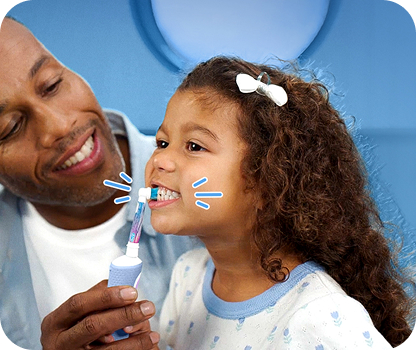
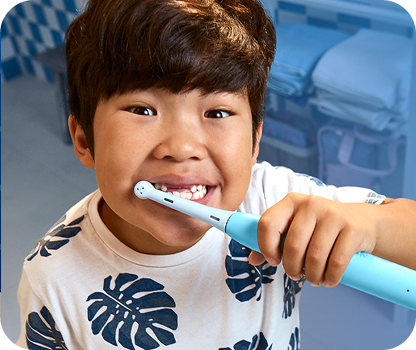
Electric toothbrushes may help kids brush their teeth more effectively but be sure to check the age recommendations on an electric toothbrush before letting your child use it.
Technology and Features
Generally rich in technology and features, some electric toothbrushes can enable you to improve your brushing habits. Most come with convenient features, such as a brush head or toothbrush holder, bathroom counter storage units, and travel toothbrush chargers.
Hi-tech features may include:
Brushing modes for specific needs, such as sensitive teeth, whitening benefits, or gum-massaging action
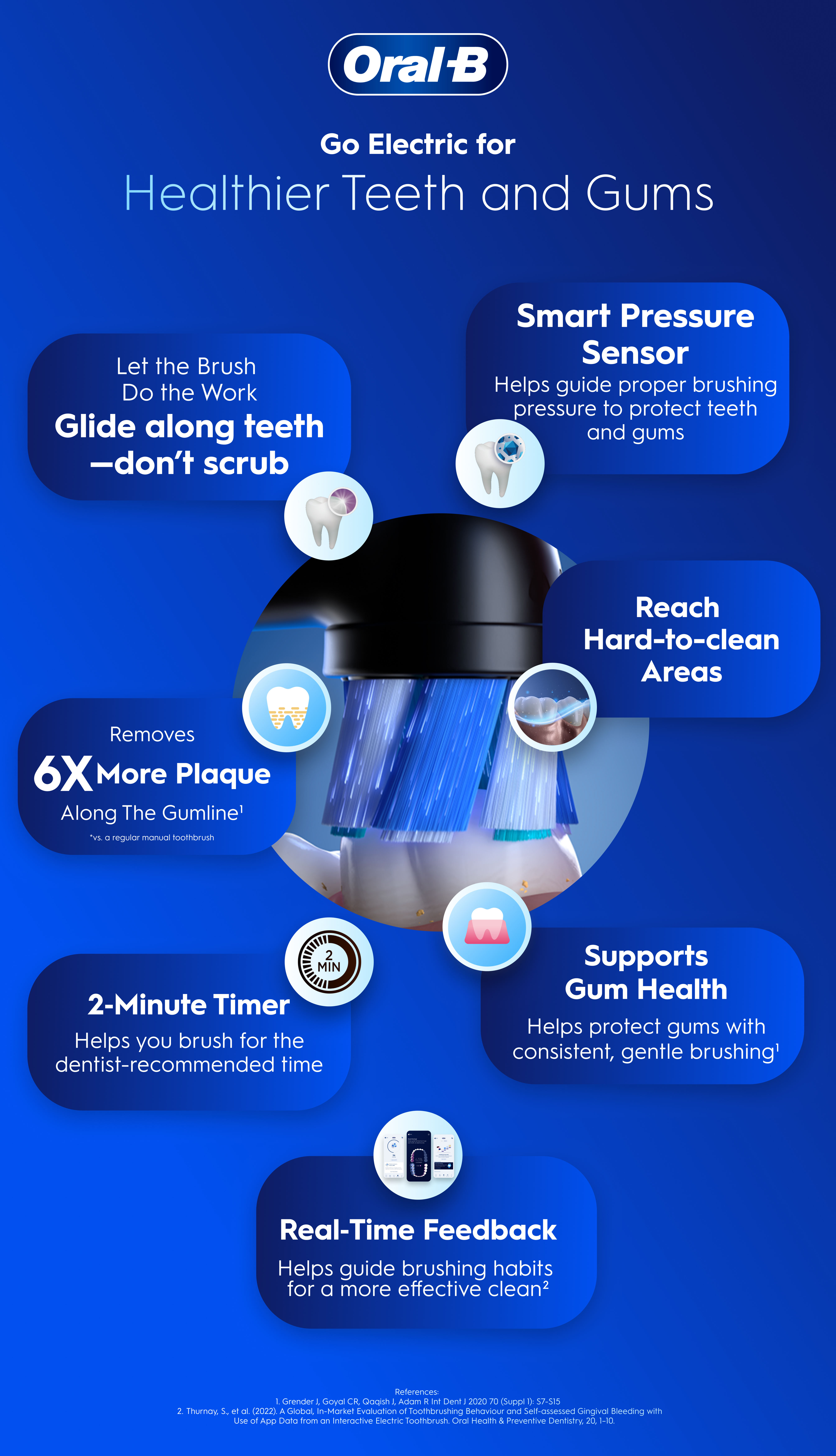
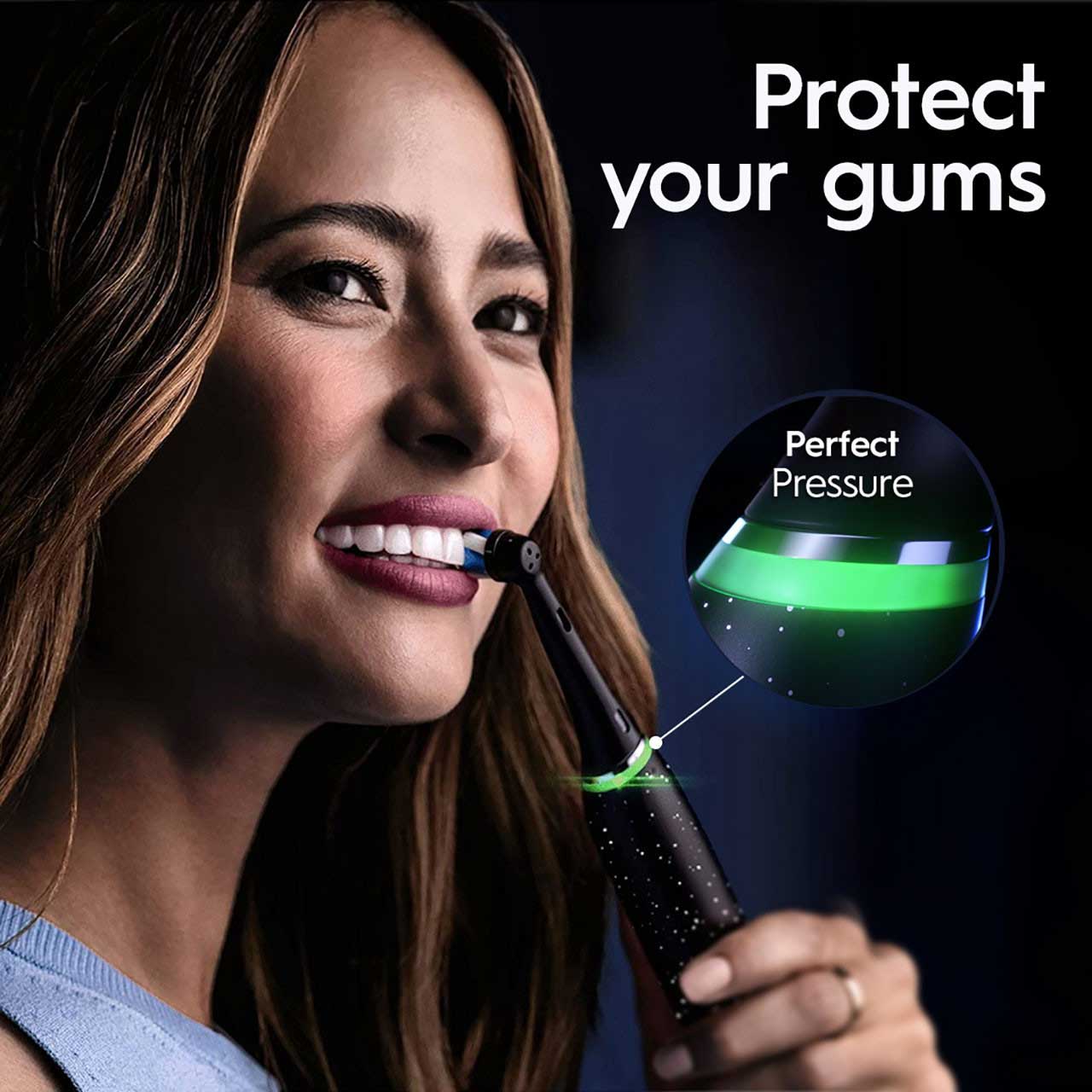
Pressure sensors to signal when you're brushing too hard and help you protect your gums
Timers to help you keep track of how long you're brushing each quadrant of your mouth
Digital reminders to replace your brush head
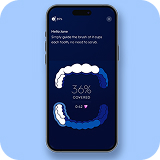
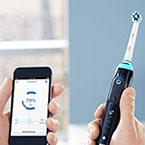
Bluetooth® connectivity to help track brushing progress and improve how you brush
Unique tracking technology that guides you in real time to ensure you cover every area
How to Use an Electric Toothbrush
To use your electric toothbrush, make sure it's fully charged. Next, you'll want to wet the brush head and apply your toothpaste.
Once you're ready to start brushing, angle the brush head next to your gum line at 45 degrees, and hold the brush against each tooth in turn, gently moving across all your teeth. There's no need to scrub or use a lot of pressure since the toothbrush is doing the cleaning for you.
Finally, brush your tongue, rinse your mouth, and remove the brush head to rinse it.
How Long to Brush with an Electric Toothbrush
Most people underestimate the amount of time they should brush. With a manual toothbrush, it's easy to lose track of time. Dental professionals recommend brushing for at least two minutes, twice a day. Each quadrant of your mouth gets 30 seconds of brush time.
Oral-B electric toothbrushes include two-minute timers that take you through this routine, ensuring you get a complete clean every time you brush.
Now that you understand the differences between an electric toothbrush vs. a manual toothbrush and all the benefits of going electric, it's time to level up your brushing game.
At Oral-B, our electric toothbrushes are dentist-inspired and remove up to 100% more plaque than regular manual toothbrushes. With their replaceable round brush heads, which hug your teeth to clean every surface area more effectively, Oral-B is the number one dentist-recommended toothbrush brand worldwide.
As we continue to innovate and introduce new technologies at Oral-B, we always keep one goal in mind: Make it easy for you to get your best clean every time you brush.
Our Top Electric Toothbrush Recommendation
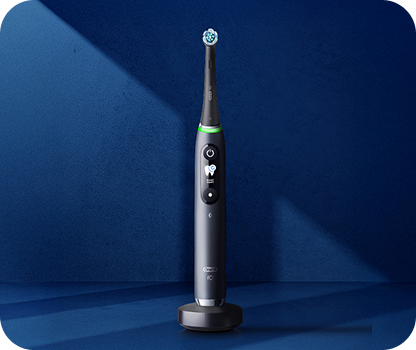
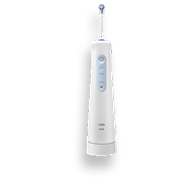
While any Oral-B electric toothbrush offers a superior clean, the Oral-B iO Series 9 represents our most advanced technology. It combines the dentist-inspired round brush head with powerful, yet gentle, micro-vibrations for a professional clean feeling every day.
Advanced Features: The iO9 includes many of the high-tech features mentioned earlier, including 7 Smart Brushing Modes for personalized cleaning, a Smart Pressure Sensor that turns red when you brush too hard, and 3D Teeth Tracking to guide you to your best clean across all areas of your mouth.
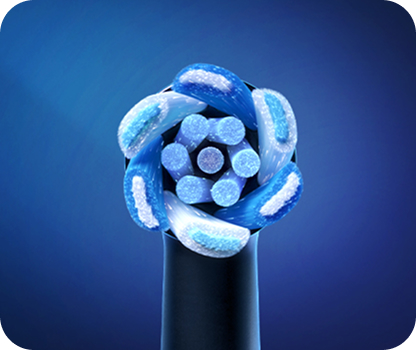
Replacement Heads: For the best results, pair your iO toothbrush with Oral-B iO Ultimate Clean Replacement Brush Heads, designed to work in harmony with the iO handle to tackle plaque in hard-to-reach areas.
Shop this article
1313|690
Science worth a scroll.
The Best Electric Toothbrush of 2021
When it comes to choosing an electric toothbrush, the most important factor is of course the degree of clean. While most electric toothbrushes provide a better clean than manual brushes, not all electric toothbrushes are equal.
Things to Consider When Buying an Electric Toothbrush
Good oral hygiene isn't only necessary for good dental health. It can also affect your overall well-being. From a young age, we're taught the value of brushing our teeth regularly to keep them and our gums healthy.
Trying to decide between an electric toothbrush and a manual one? If you want one of the easiest and most effective ways to care for your teeth, it’s worth doing some research.
Types of Toothbrushes - Choose the Right Brush for You
Using the right toothbrush can make your daily oral care routine more enjoyable—and more effective.
A toothbrush is personal, which is why they’re available in a variety of sizes and shapes.
How often should I replace an electric toothbrush head?
You don't have to replace the whole electric toothbrush. Instead, just replace the brush head every three to four months, or sooner if the bristles become bent or frayed.
How do I clean an electric toothbrush?
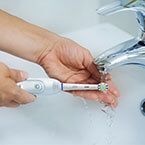
Rinse your electric toothbrush after use under running water while the handle is still on. Then detach the brush head and clean both parts separately. Air dry the brush and reassemble.
Can I use an electric toothbrush with braces?
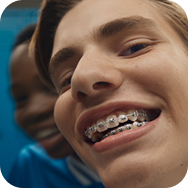
Electric toothbrushes are perfectly safe if you have braces. In fact, because of their superior cleaning, electric toothbrushes may actually be more effective than manual brushes for people with braces.
Are there disadvantages of using an electric toothbrush?
There are a few disadvantages to an electric toothbrush, including cost and a potential learning curve if you want to take advantage of all its features. An electric toothbrush also requires a charger and a power source.
Can I bring an electric toothbrush on a plane?
According to the TSA, you can bring an electric toothbrush when you travel by plane. However, they make a note that electric toothbrushes should be packed in carry-on bags, not checked bags. This is because most electric toothbrushes contain lithium-ion batteries, which are subject to airline restrictions for checked luggage.
Grender, J., et al. (2020). An 8-week randomized controlled trial comparing the effect of a novel oscillating-rotating toothbrush versus a manual toothbrush on plaque and gingivitis. International Dental Journal, 70, S7–S15. https://doi.org/10.1111/idj.12571
Grender, J., et al. (2022). A 12-Week Randomized Controlled Trial Comparing a Novel Electric Toothbrush With an Extra Gentle Brush Head to a Manual Toothbrush for Plaque and Gingivitis Reduction. Compendium of Continuing Education in Dentistry (Jamesburg)
Timm, H., et al. (2023). Superior stain prevention efficacy of an electric toothbrush whitening brush head. Journal of Dental Research, 102, 0934.
Thurnay, S., et al. (2022). A Global, In-Market Evaluation of Toothbrushing Behaviour and Self-assessed Gingival Bleeding with Use of App Data from an Interactive Electric Toothbrush. Oral Health & Preventive Dentistry, 20, 1–10. https://doi.org/10.3290/j.ohpd.b2572911
Zou, Y., et al. (2024). A meta-analysis comparing toothbrush technologies on gingivitis and plaque. International Dental Journal, 74(1), 146-156. https://doi.org/10.1016/j.identj.2023.06.009