














- Types of Toothpaste
- Keep Up with a Good Oral Care Routine
- Science worth a scroll.
- FAQs
Types of Toothpaste: Benefits & Differences
10 minute read
Last updated 08/26
Share

These days, you may feel overwhelmed by the types of toothpastes available at your grocery store or pharmacy. Just remember, the best toothpaste for you is the one you like well enough to use every day.
Of course, you can buy a few different types for variety, or to suit the tastes and needs of your family members. Today, there are toothpastes to meet the oral care needs of virtually everybody, and you can’t really go wrong with any toothpaste that has the seal of the American Dental Association.
That said, some toothpastes do offer specific benefits in addition to cleaning teeth.
Types of Toothpaste
Each type of toothpaste has its own unique benefits. Some specialty types of toothpaste include:
- Antimicrobial: Antimicrobial toothpastes may contain stannous fluoride, an antibacterial agent that also provides anti-cavity and sensitivity benefits.
- Tartar control: Tartar-control toothpastes may contain sodium pyrophosphate which helps to keep tartar from forming on teeth or better yet, sodium hexametaphosphate, which helps prevent tartar and stains, above the gum line. But if you already have stubborn tartar, tartar control toothpaste won’t remove it––you’ll need a professional cleaning from your dental professional.
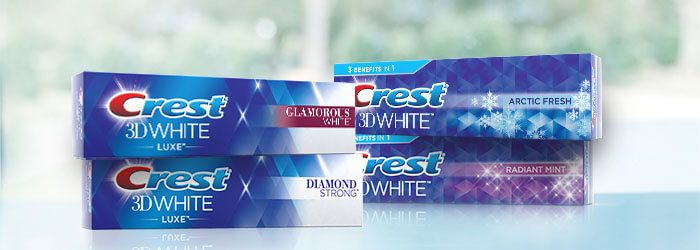
- Whitening: Whitening toothpastes contain chemical or abrasive ingredients to help remove and/or prevent stains from forming on the teeth. When used regularly, whitening toothpastes can reduce the appearance of stains and make your teeth look whiter.
Keep Up with a Good Oral Care Routine
No matter which toothpaste you’re brushing with, it’s important to maintain a thorough oral care regiment to ensure your teeth and gums stay healthy:
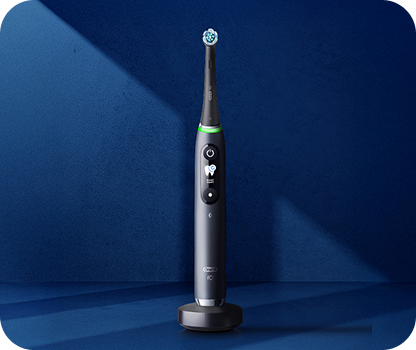
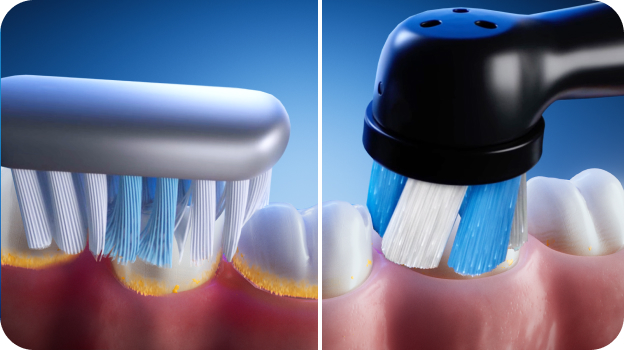
- Brush teeth at least twice a day with the Oral-B iO Series 9 Rechargeable Toothbrush . Its dentist-inspired round brush head expertly cleans with micro-vibrations to remove more plaque than a manual brush.
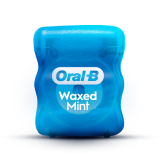
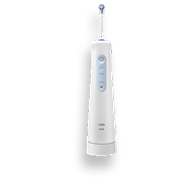
- Floss at least once a day to remove more plaque and debris from tight spaces. The Oral-B Pro-Health Advanced Floss slides up to 50% more easily in tight spaces than other types of floss. To further improve your gum health, supplement your regular flossing routine with the Oral-B Water Flosser Advanced, its unique Oxyjet Technology helps eliminate more plaque bacteria* for healthier gums.
- Swish with a rinse containing Cetylpyridinium Chloride (CPC), like Crest Pro-Health Multi-Protection Mouthwash which helps protect your mouth from gingivitis and plaque with 0% alcohol.
* Helps reduce plaque bacteria and inflammatory components associated with gingivitis, when used as an adjunct to brushing, flossing and regular professional care.
Shop this article
1223|1040
Science worth a scroll.
The Best Electric Toothbrush of 2021
When it comes to choosing an electric toothbrush, the most important factor is of course the degree of clean. While most electric toothbrushes provide a better clean than manual brushes, not all electric toothbrushes are equal.
Read more
Things to Consider When Buying an Electric Toothbrush
Good oral hygiene isn't only necessary for good dental health. It can also affect your overall well-being. From a young age, we're taught the value of brushing our teeth regularly to keep them and our gums healthy.
Read more
How to Clean Your Electric Toothbrush
Trying to decide between an electric toothbrush and a manual one? If you want one of the easiest and most effective ways to care for your teeth, it’s worth doing some research.
Read more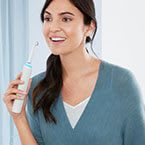
Types of Toothbrushes - Choose the Right Brush for You
Using the right toothbrush can make your daily oral care routine more enjoyable—and more effective. A toothbrush is personal, which is why they’re available in a variety of sizes and shapes.
Read more
What's the Best Toothbrush Head for You?
All of our Replacement Brush Heads deliver the oscillating-rotating power that makes Oral-B® the #1 dentist‑recommended brand, but there are a few key differences that make each one unique.
Read moreFAQs
Fluoride vs. Fluoride-free toothpaste: which one is better for cavity prevention?
For cavity prevention, fluoride toothpaste is the better-supported choice. Fluoride helps strengthen tooth enamel, makes teeth more resistant to acid attacks, and can help repair early enamel damage before a cavity forms. Fluoride-free toothpaste can help clean teeth, but it does not provide the same proven cavity-prevention benefit as fluoride toothpaste.
Which toothpaste ingredients are most effective for fighting bad breath?
Toothpastes that help control bad breath may include ingredients such as zinc compounds, stannous fluoride, or other antibacterial agents that help reduce odor-causing bacteria or neutralize odor-causing compounds. Brushing twice a day, cleaning between teeth daily, and gently cleaning the tongue are also important for lasting fresh breath. If bad breath persists despite good oral hygiene, see a dentist or healthcare professional to check for gum disease, dry mouth, cavities, or other causes.
Does toothpaste expire and is it still safe to use after the date?
Yes, toothpaste has an expiration date. After that date, active ingredients such as fluoride may become less effective, so it is best to replace expired toothpaste. Avoid using toothpaste that has changed color, texture, smell, or taste.
What is the best toothpaste for teeth without damaging enamel?
Crest 3DWhite Brilliance Deep Stain Remover Ultra White Toothpaste is a strong option for whitening because it is designed to help remove surface stains while supporting enamel health when used as directed. For deeper stains, sensitive teeth, or questions about which whitening option is right for you, ask your dentist for guidance.
