







-
Contents
- How to brush your teeth with a manual toothbrush?
- How to use a rechargeable toothbrush?
- FAQs
- References
How To Brush Your Teeth Properly? (Step-By-Step)
10 minute read
Last updated 06/2025
Share


This blog has been reviewed and approved by Dr Robert Lee, a dental professional of 35 years
Learn MoreSummary
Proper tooth brushing and flossing techniques are essential for maintaining oral health. If you use an electric toothbrush like the Oral-B iO2, hold your toothbrush at a 45-degree angle, use gentle, circular motions, and brush all tooth surfaces for at least two minutes, twice daily. Don’t forget to clean behind your lower front teeth and brush your tongue. Consider adding mouthwash and ensure regular dental check-ups to prevent cavities, tooth decay and gum disease.
Tooth brushing and flossing go hand-in-hand as the mainstays of good oral care and proper technique is important for both activities. Using the correct techniques for twice-daily tooth brushing and flossing will help promote oral health for the long term.
Even if you've been brushing and flossing your teeth since childhood, you may have developed some bad habits over the years, such as brushing too hard, ignoring your back teeth and forgetting to floss.
Keep these general techniques in mind when you brush your teeth, whether before or after flossing:
- Hold your toothbrush at a 45-degree angle toward the gum line.
- When brushing your teeth, move the brush back and forth gently, with a circular movement over the front, back and top (chewing surface) of your teeth. Don’t scrub hard along the gum line; you can irritate your gums.
- Remember to brush (and floss) behind your lower (bottom) front teeth. Use the top bristles of the brush to reach this area. If this area is hard for you to reach with regular floss, try a floss holder or disposable flosser.
Other elements of complete oral care include brushing your tongue. You'll freshen your breath and eliminate even more cavity-causing bacteria. Also, if you’re at risk for plaque build-up or gum disease, consider adding an antiseptic mouth rinse to your complete oral care routine.
How to brush your teeth with a manual toothbrush?
Learning how to brush your teeth properly is the first step to maintaining good oral hygiene, healthy teeth and gums. Plus, it helps minimize the risk of tooth decay and gum problems, the major causes of tooth loss.
Before You Begin
While there are several methods of brushing teeth with a manual toothbrush, always ask your dental professional for their recommendation and be sure to follow their instructions. We have a wide selection of Oral-B manual toothbrushes with your preferred choice of bristle firmness: ultra soft, extra soft, soft or medium bristles. We recommend consulting with a dental professional to determine which bristle type is right for you. Also, don't forget to replace your toothbrush every three months.
Two Minutes, Twice a Day
To brush your teeth correctly, spend at least two minutes using a recommended technique, which includes 30 seconds brushing each section of your mouth (upper right, upper left, lower right and lower left), both morning and night. Since most manual toothbrushes don't have built-in two-minute timers, you may want to have a clock handy so you can be sure you're brushing long enough.
Positioning the Toothbrush
How you hold the toothbrush depends on which part of the tooth you're brushing.
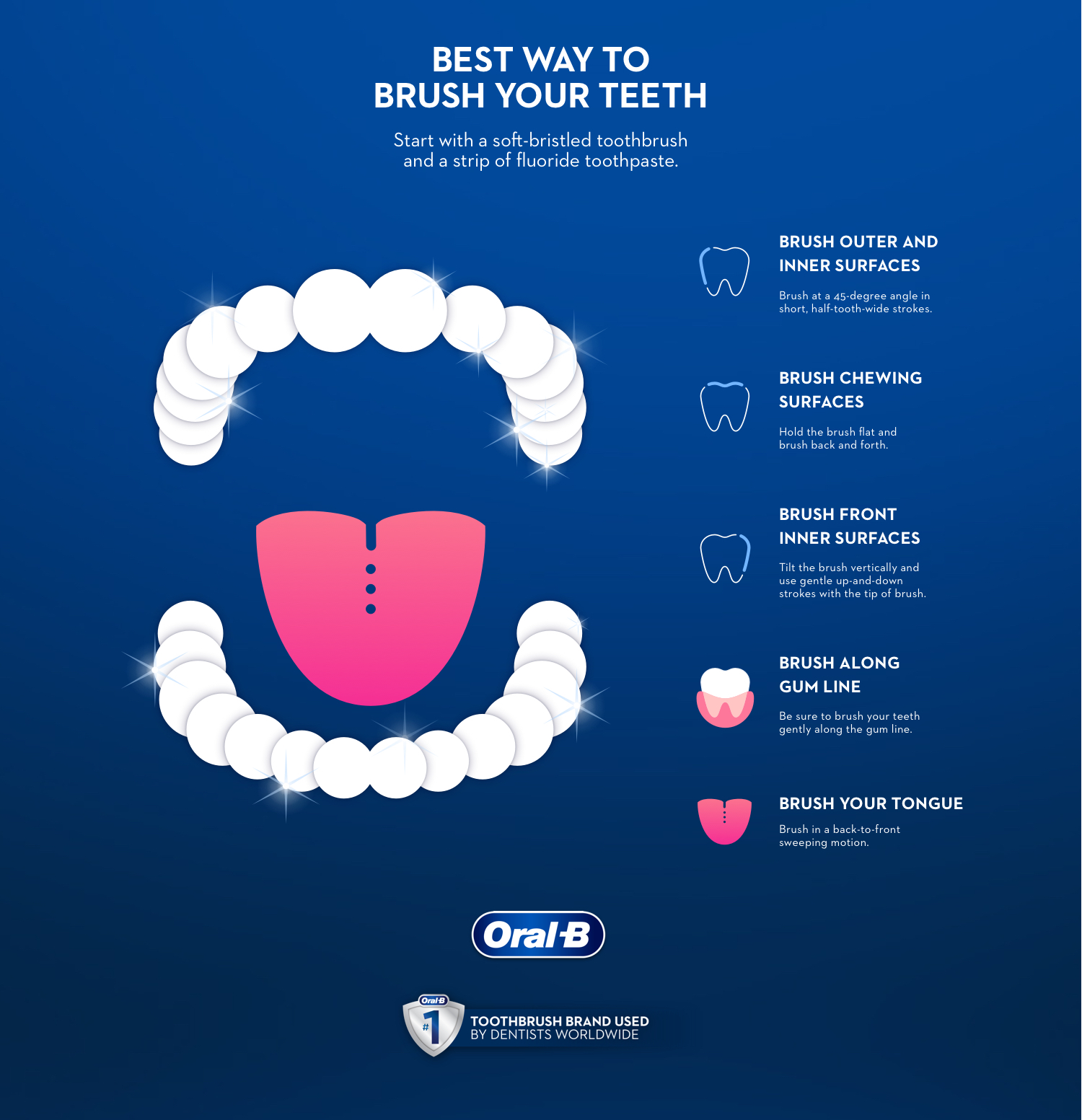
- Step 1: Start with outer and inner surfaces, and brush at a 45-degree angle in short, half-tooth-wide strokes against the gum line. Make sure you reach your back teeth.
- Step 2: Move on to chewing surfaces. Hold the brush flat and brush back and forth along these surfaces.
- Step 3: Once you get to the inside surfaces of your front teeth, tilt the brush vertically and use gentle up-and-down strokes with the tip of brush.
- Step 4: Be sure to brush your teeth gently along the gum line.
- Step 5: Brush your tongue in a back-to-front sweeping motion to remove food particles and help remove odor-causing bacteria to freshen your breath.
Now that you've learned proper teeth brushing technique, a little discipline in practicing it every day will help make it feel like second nature. It's one of the easiest things you can do to maintain the health of your teeth and gums.
How to use a rechargeable toothbrush?
What is a rechargeable electric toothbrush?
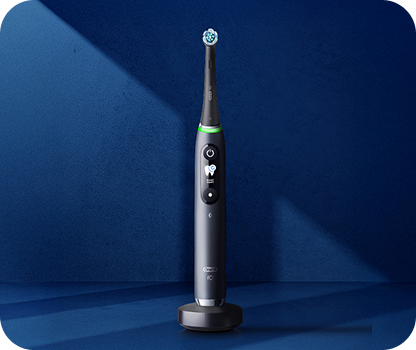
A rechargeable electric toothbrush (also known as a “power” toothbrush) can help you do more to maintain the health of your teeth and gums. Many rechargeable toothbrushes use oscillating-rotating technology to provide better oral health results than regular manual toothbrushes. This brushing action is very different from that of regular manual toothbrushes, as it provides the movement, while you need only guide it.
For that reason, some people may find brushing with an electric toothbrush easier once they learn how to do it properly. Just remember that the key to brushing well with an electric toothbrush is to guide the brush head to all parts of your mouth.
Why brush with an electric toothbrush?
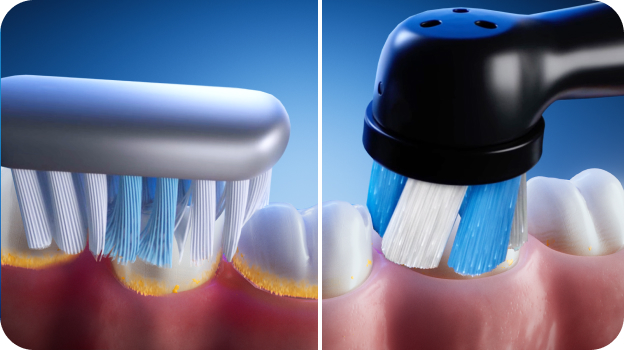
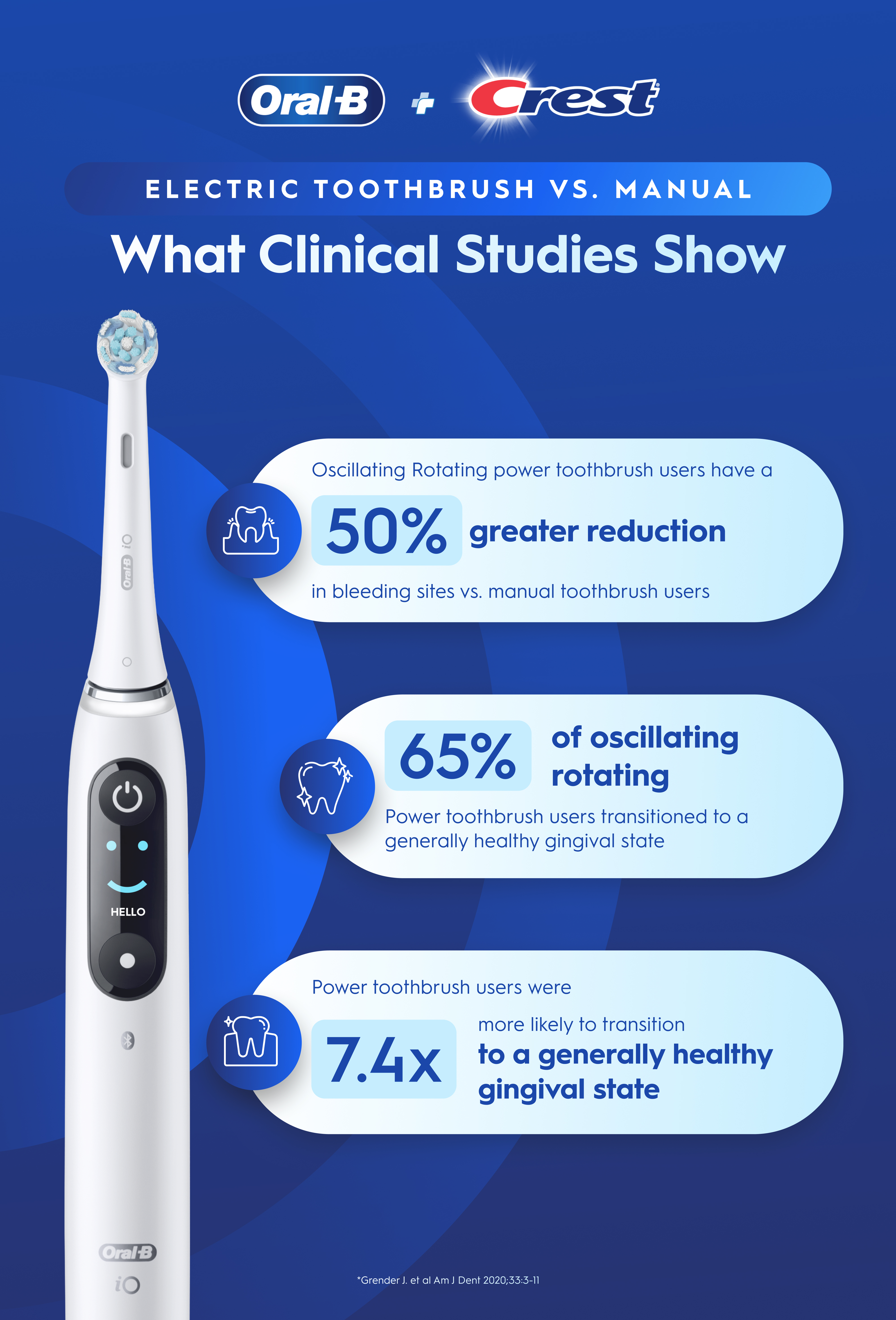
From their advanced cleaning technology and gum protection to the latest features that deliver a more personalized oral care routine, electric toothbrushes have proven to be more effective than their manual counterparts. In fact, brushing with an Oral-B electric toothbrush can remove 100% more plaque than a regular manual toothbrush.
Additional benefits of an electric toothbrush include:
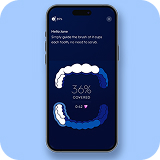
- Personalized clean: Whether you’re looking for a way on how to prevent bad breath or whiten your smile, an electric toothbrush, like the Oral-B iO2, can help. Its revolutionary cleaning technology includes 3 Smart Brushing Modes-Super Sensitive, Sensitive, and Daily Clean-that offer a dentist-clean feeling in just one touch. Other brushes from the iO Series, like the iO10, also connect to the Oral-B App, which can help improve your brushing habits, cover every area of the mouth, and achieve your oral health goals.
- Gum health: Effective plaque removal is how to prevent gum disease from taking root, and electric toothbrushes can help do just that. Most Oral-B electric toothbrushes are also equipped with a pressure sensor to better protect your gum line from overbrushing.
- Strong teeth: Research* shows that using an electric toothbrush can help reduce plaque and slow down the progression of gum issues and in turn prevent tooth loss.

Using a rechargeable electric toothbrush
Oral-B brushing technology can be a great gift for even the tech-savviest of groomsmen. Here are our picks for useful wedding gifts they’ll use every day, long after the wedding has passed:
- A.I. for the Win: The Oral-B iO Series of brushes, like the Oral-B iO9, use A.I. Brushing Recognition and 3D Tracking to ensure every area of the mouth is covered. Plus, the brush connects to the Oral-B app for additional brushing style analysis, guidance and real-time, and brushing habit improvements.
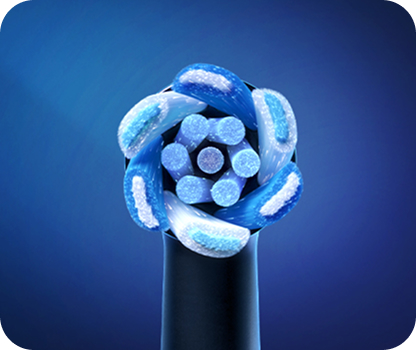
- Engineered Effectiveness: Tufted bristles work in combination with powerful, but gentle micro-vibrations to deliver a professional clean feeling every day. Inspired by professional dental tools for a tooth-by-tooth clean, Oral-B iO Ultimate Clean Replacement Brush Heads effectively polish away surface stains and remove more plaque than a regular manual, for a brighter smile and cleaner teeth.
- Vivid Smiles: Let them celebrate in style and brighter smiles. Crest 3DWhitestrips 1 Hour Express remove years of stains in just 60 minutes, plus the dentist-recommended whitening treatment is completely mess-free—perfect for a pre-wedding plan!
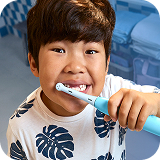
Believe it or not, many school-aged children are now enthusiastic about brushing their teeth. We can thank the invention of the rechargeable electric toothbrush for this happy phenomenon.
Rechargeable electric toothbrushes are easy to use—that’s part of their appeal. And although a rechargeable electric toothbrush costs more than a manual toothbrush, it may be worth it if your child (or you) is more enthusiastic about using it.
Most rechargeable electric toothbrushes operate at anywhere from 5,000 to 30,000 strokes on your teeth per minute, and because of this, it takes less time to do a thorough job. Some rechargeable electric toothbrushes have even more power.
To use a rechargeable electric toothbrush, follow the simple steps below.
- Step 1: Place toothpaste on the brush head and hold the brush at a 45-degree angle, just as you would a manual toothbrush.
- Step 2: Turn on the rechargeable electric and glide the brush from tooth to tooth, don’t scrub. The smaller heads of most rechargeable electric toothbrushes usually brush about one tooth at a time, depending on the size of the teeth.
- Step 3: Guide the electric brush as it cups each tooth along the front surfaces, back surfaces, and chewing surfaces of each tooth.
- Step 4: When you’ve finished brushing, simply rinse the brush head with water and allow it to dry.
Even with a rechargeable electric toothbrush, you should spend about two minutes brushing to ensure that you’ve cleaned each tooth. When you’ve finished brushing, simply rinse the brush head with water and allow it to dry.
Built-in two-minute timers
Most rechargeable electric toothbrushes have built-in two-minute timers, and some even have professional timers that parse out 30 seconds for each quadrant to help you keep track.
Positioning the rechargeable toothbrush
When using a rechargeable electric toothbrush, it isn't necessary to press hard or scrub. Simply guide the brush while it provides the brushing action. In fact, some electric toothbrushes have pressure sensors that alert you when you’re brushing too hard.
- Step 1: Make sure your toothbrush is charged. Many electric toothbrushes have charge level indicator lights, so you can actually see when the toothbrush is charged.
- Step 2: Start with the outside surfaces of the teeth. Guide the brush head slowly from tooth to tooth, holding the brush head in place for a few seconds against each tooth before moving on to the next one. Follow along with the shape of each tooth and the curve of the gums.
- Step 3: Repeat Step 2 on the inside surfaces of the teeth.
- Step 4: Repeat Step 2 on the chewing surfaces of the teeth as well as behind the back teeth.
- Step 5: Direct the brush head along the gum line and upon the gums. Again, do not press hard or scrub.
- Step 6: Try grazing the brush head along your tongue and the roof of your mouth, back to front, to help freshen your breath.
A proper brushing technique with a rechargeable electric toothbrush and a little practice you’ll be brushing with confidence knowing you’re using the clinically proven technology of a rechargeable electric toothbrush to clean your teeth.
Our Best Wedding Day Gifts for the New In-Laws and Parents
Show your appreciation with wedding gifts that will surprise and delight any parent. From easy-to-use brushing technology to a personalized clean, here’s our top picks for wedding day gifts for parents of both the bride and groom.
- Bundle Up: All-in-one dentist-inspired kits that not only help improve their oral health but also promote healthier gums and stronger teeth. Find the perfect wedding day gift for parents with Oral-B and Crest bundles.
- Powerful Protection: Smart Pressure Sensors, like the one featured on the Oral-B iO9 , offer the ultimate in gum protection technology by alerting them when brushing is too hard, too light, and just right.
- Clean Slate: Give the gift that removes years of tough set-in stains. Crest 3DWhitestrips Professional Effects are both safe and effective—the perfect recipe for a brighter smile.
Still unsure of what gifts to give on that special day? Check out Oral-B’s Gift Guide and Deals for even more wedding day gift ideas.
From Oral-B, the #1 dentist-recommended toothbrush brand, worldwide.
Shop this article
1040|689
FAQs
What is the correct way to brush teeth?
Hold your toothbrush at a 45-degree angle toward the gum line and use gentle circular motions over the front, back, and chewing surfaces. You should spend 30 seconds on each quadrant of your mouth for a total of two minutes twice every day.
Do I brush differently with an Oral-B electric toothbrush?
Unlike a manual brush, an electric toothbrush provides the cleaning action, so you only need to guide the head from tooth to tooth. You should hold the brush in place for a few seconds against each tooth surface rather than using a scrubbing motion.
How does the Oral-B app help me brush properly?
The app connects to your toothbrush to provide real-time feedback and guidance to ensure you never miss a zone in your mouth. This support helps you improve your daily habits and achieve a more thorough whole-mouth clean.
Should I brush my tongue with my electric toothbrush?
You should gently graze the brush head along your tongue in a back-to-front sweeping motion to remove odor-causing bacteria. This simple step helps eliminate extra cavity-causing germs and keeps your breath feeling fresh throughout the day.
How much pressure should I apply when brushing with an Oral-B electric toothbrush?
You should apply very light pressure and let the oscillating-rotating technology do the work of dislodging plaque. Many models include a smart pressure sensor that will alert you or slow down the motor if you begin to press too hard against your gums.
References
- http://www.oralhealthplatform.eu/our-work/the-sta...
- * Pitchika V, Pink C, Völzke H, Welk A, Kocher T, Holtfreter B. Long-term impact of powered toothbrush on oral health: 11-year cohort study.
- J Clin Periodontol. 2019. doi: 10.1111/jcpe.13126
