Toothache Causes, Remedies and Relief

Toothache Causes, Remedies and Relief
Last Updated : February 09, 2026

Summary

Toothaches can be caused by many things, from cracks and cavities to jaw-clenching and sinus pressure — just to name a few. In this article, we’ll cover what causes toothaches, their symptoms, how to treat them, and ways to prevent them.

Key Takeaways

  • Takeaway #1: Toothaches can be caused by a loose or cracked tooth, impacted wisdom tooth, dental abscess, cavity, loose or broken filling, sinus pressure, uneven or abnormal bite, gum disease, or jaw-clenching.
  • Takeaway #2: In addition to tooth pain, toothache symptoms might include pain in surrounding areas, a bad taste, bad breath, swollen gums, headaches, fever, and chills.
  • Takeaway #3: Toothache treatments to try on your own include taking over-the-counter pain medications, applying an ice pack, warm saline rinses, and eating soft foods.
  • Takeaway #4: If your tooth pain persists or new symptoms appear, call your dentist. They may recommend one or more of these treatments: antibiotics, filling, crown, inlay, root canal, or tooth extraction.
  • Takeaway #5: Prevent toothaches by practicing proper oral hygiene, limiting your sugar intake, and visiting your dentist regularly.

Table of Contents

Key Takeaways

Toothache Causes

woman-on-her-couch-with-a-toothache

If you’re experiencing a toothache, it may be due to one of the following causes. Let’s explore each one.

Cavity

When a tooth develops a cavity, it becomes more vulnerable to bacteria and acids. As decay progresses, the cavity expands, eventually exposing the tooth’s sensitive inner layers. When decay reaches the dentin, it can cause sensitivity and pain. If it progresses to the pulp, which contains nerves and blood vessels, the pain can become more severe.

Loose Tooth

For kids, losing a primary or baby tooth is an exciting time and calls for a visit from the Tooth Fairy. For adults, a permanent loose tooth usually signals a dental problem, such as mouth trauma or tooth decay.

If you notice a tooth becoming loose, see your dentist promptly for the best chance of saving it.

Cracked Tooth

Pain from a cracked tooth often comes and goes. You may experience pain when chewing, biting down, or consuming hot or cold foods and drinks.

Impacted Wisdom Tooth

If there’s not enough space in your mouth for your wisdom teeth to come in, they might grow horizontally, lean into the tooth next to them, or simply never erupt. Some of these can cause jaw, gum, or tooth pain.

Dental Abscess

Dental abscesses can form at the root of a tooth or in the surrounding gums. A dental abscess can cause throbbing pain. Often, the pain radiates out to your jaw, ear, and neck.

Loose or Broken Filling

When a filling becomes loose or a piece of it breaks off, it creates an open space where bacteria and acid can penetrate the tooth, which can lead to pain.

Sinus Pressure

A sinus infection can cause a stuffy nose, cough, ear pain, and especially pressure and tenderness in your sinuses. It can also create toothaches, most often in the upper back molars.

Uneven or Abnormal Bite

If your upper and lower teeth don’t align properly, you have what’s called a malocclusion. This causes uneven pressure on your teeth, which can result in pain over time.

Gum Disease

When gum disease develops, bacteria trigger inflammation that sometimes may affect the bone around the tooth root. The combination of bone loss and receding gums can leave the tooth root exposed, leading to an increased risk of toothaches.

Jaw-clenching

Both jaw clenching and teeth grinding can put pressure on your teeth and cause them to crack over time. These tiny cracks leave the dentin inside your teeth exposed to bacteria that can reach your nerves and cause pain.

Toothache Symptoms

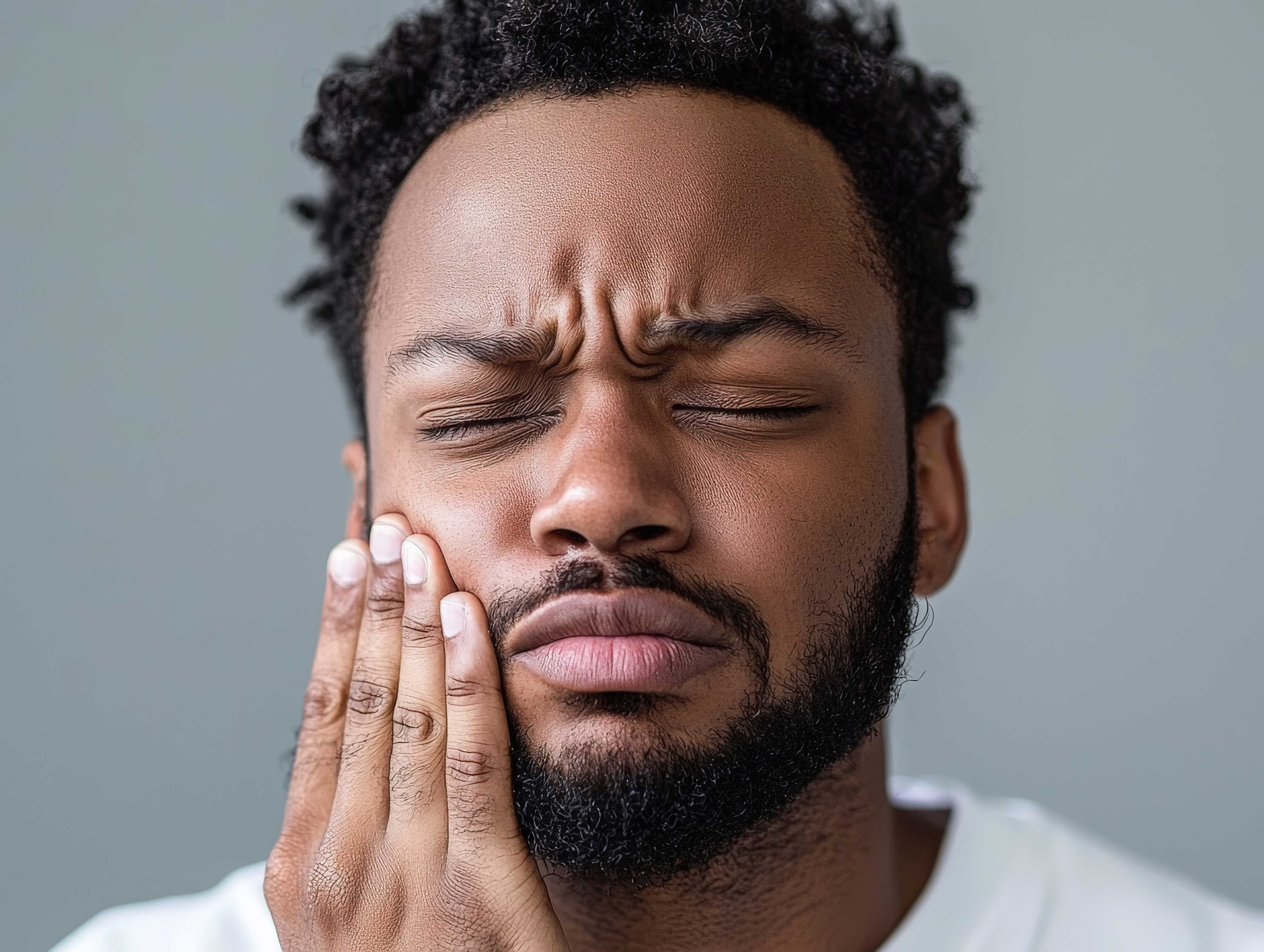
man-holding-his-jaw-and-frowning-like-he-is-in-pain

If you have a toothache, you may experience some of the below symptoms in addition to tooth pain.

Mouth Pain

Toothaches produce different levels and types of pain in your mouth, ranging from dull aches to sharp jabs or throbbing pain.

Bad Taste in Your Mouth or Bad Breath

A persistent bad taste in your mouth or bad breath (halitosis) may indicate an underlying infection, such as a tooth abscess or severe gum disease. The unpleasant odor and taste are often caused by the byproducts of bacteria and the breakdown of infected tissues.

Swallon Gums

If you have a tooth abscess or gingivitis, your gums will likely become swollen. They might appear red and inflamed and be painful to the touch.

Headaches

It’s not unusual to experience a headache when you have a toothache. This is because the pain in your tooth can travel along the trigeminal nerve — the large nerve that runs from multiple parts of your face into your brain — to locations in your head.

Fever and Chills

If your toothache is caused by a significant infection (such as a dental abscess), your body will respond the same way it does when you experience other bacterial infections. Your immune system kicks in to fight off the infection. You may experience flu-like symptoms, such as fever, fatigue, and chills.

Toothache Treatments

woman-holding-ice-pack-to-her-jaw

At-Home Treatments

It’s always important to visit your dentist if you have a toothache, but there are ways you can find temporary relief at home. Let’s take a look at a few options.

Take Over-the-Counter Pain Medications

Try an over-the-counter pain medication to ease the toothache temporarily until you see a dentist. You can also apply an over-the-counter topical pain reliever directly to the area.

Try Ice Packs

Sometimes, pressing an ice pack against your jaw might help relieve your toothache by numbing the area.

Use a Warm Salt Water Rinse

Rinsing your mouth with a solution of half a teaspoon of salt in a glass of warm water can help clean the area and may provide temporary relief by reducing inflammation.

Eat Only Soft Foods

Finally, consider eating soft foods to make it easier on your tooth until you find the solution to your problem and the pain subsides.

woman-sitting-in-the-exam-chair-at-the-dentists-office

Professional Treatments

Once you go to the dentist, you may find that your treatment includes medication or a procedure to fix a problem. Here are some options your dentist may recommend.

Antibiotics

If you have a bacterial infection, your dentist may prescribe antibiotics to treat it. Once the cause is identified, your dentist will recommend ways to prevent it from coming back.

Filling

You may find out your pain is caused by a minor cavity or small break in your tooth. If that’s the case, you’ll need a filling.

Crown

A crown is a tooth-shaped cover that goes over your tooth if it's got a big crack or a more severe cavity. Crowns are customized to fit your specific tooth.

Inlay

An inlay is a pre-molded restoration, often made from a ceramic or composite material, that is bonded within the cusps (the inner chewing surface) of a tooth.

Root Canal

A root canal treats infection in the tooth pulp, which is the deepest part of your tooth. The procedure includes removing the inflamed pulp, thoroughly cleaning and disinfecting the inside of the tooth, and placing a filling there.

Tooth Extraction

Finally, if your tooth is too damaged or too deeply infected for the other treatments, your dentist might suggest extracting it.

Tips for Preventing Toothaches

couple-flossing-teeth-in-front-of-mirror.jpg

It’s easier to prevent a toothache than treat one, so here are a few tips to keep your teeth and gums as healthy as possible.

Practice Proper Oral Hygiene

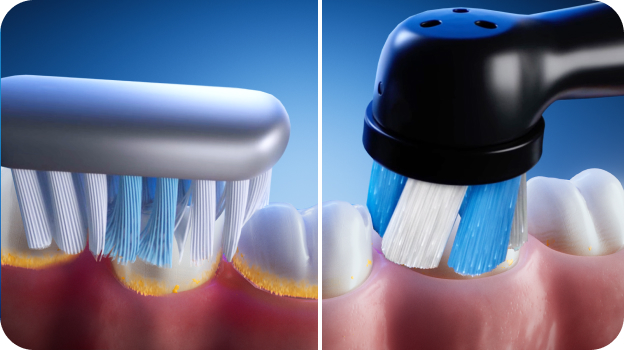
To take care of your teeth and prevent issues that may cause toothaches, it’s important to practice proper oral hygiene. This starts with brushing twice a day with an electric toothbrush to remove more plaque than a manual toothbrush.

Next, floss once a day. Flossing is important for your oral health, but it can also help prevent toothaches by removing any food particles wedged between your teeth or along your gumline. If your child is the one with the toothache, help them do a thorough job flossing.

Finally, another way to care for your teeth is to flush out food particles that might cause a toothache by rinsing with mouthwash once a day (or more often as needed).

Limit Your Sugar Intake

Sugar is the enemy when it comes to keeping your teeth clean. Consuming too many sugary foods and beverages can lead to cavities and the toothaches that come with them.

Visit the Dentist Twice a Year

Even if you practice excellent oral care at home, it’s important to have professional dental cleanings at least twice a year to prevent toothaches and other issues. Dental professionals have access to tools that clean more effectively than the ones you can use on your own.

Let Oral-B Bring Out Your Smile!

woman-smiling-with-beautiful-teeth

Tooth pain can be caused by a number of oral issues. The good news is that once you pinpoint the problem, you can seek the appropriate treatment for your toothache.

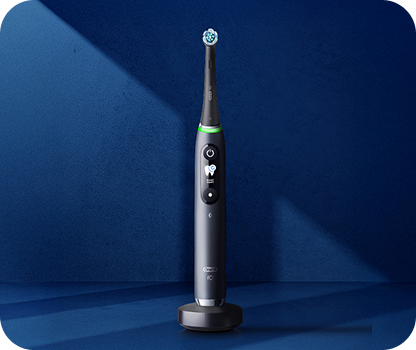
The best way to manage and prevent toothaches is with a consistent high-quality oral health routine. Try an Oral-B iO Series Electric Toothbrush to thoroughly clean your teeth without irritating your gums.

Oral-B electric toothbrushes remove up to 100% more plaque than a regular manual toothbrush for a professional clean feeling at home every time you brush. For comprehensive protection, use a toothpaste like Crest Pro-Health, which is formulated with stannous fluoride. This active ingredient helps prevent cavities, gingivitis, and sensitivity—all of which are common causes of tooth pain.

FAQs

  • How long does a toothache last?

  • How can I tell if my toothache is from sinuses?

  • What causes a toothache while pregnant?

Sources

Table of Contents

  • Toothache Causes
  • Toothache Symptoms
  • Toothache Treatments
  • Tips for Preventing Toothaches

  • FAQs
  • Sources

Related Products

1313|690

Related Articles