Summary
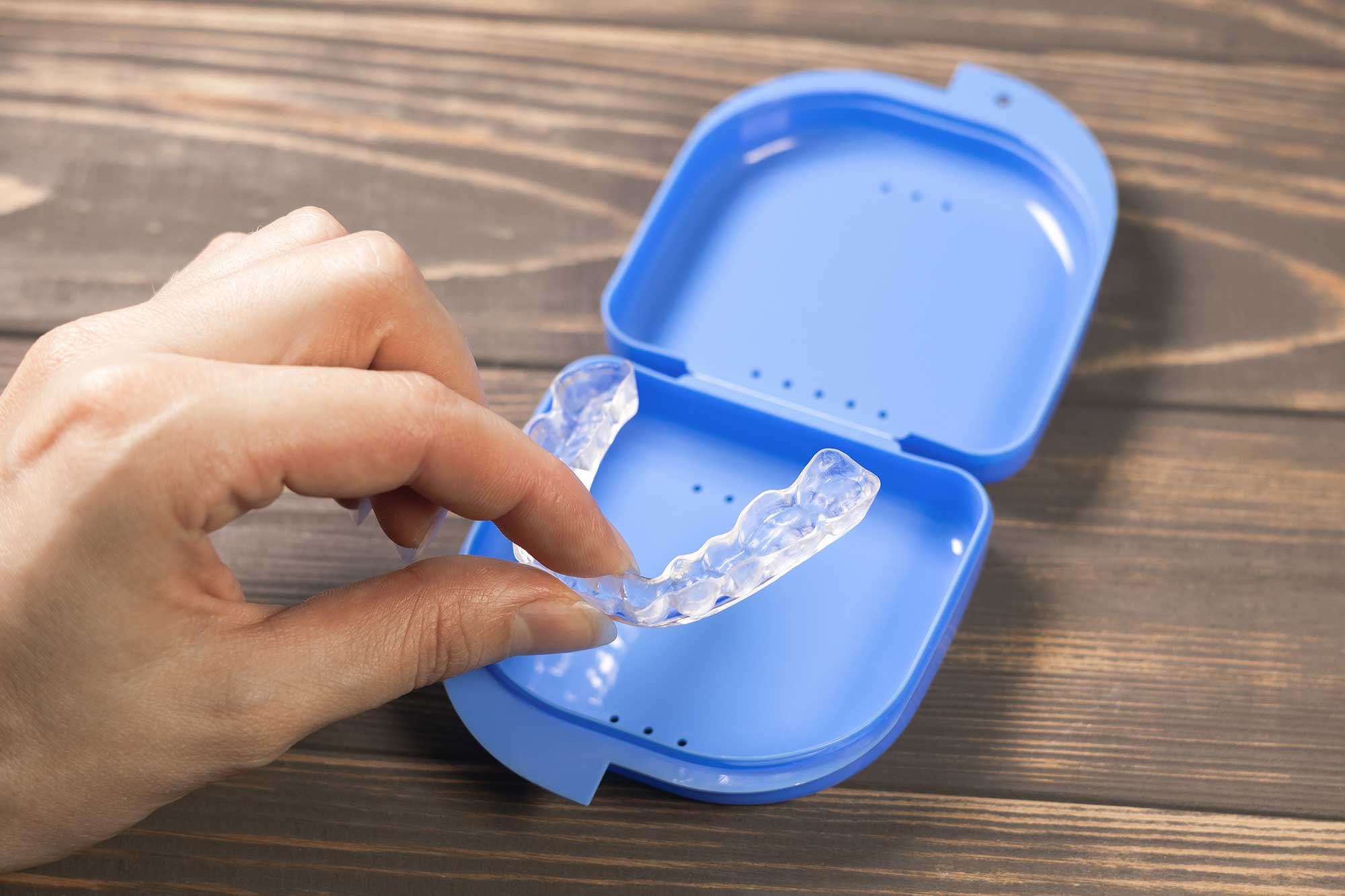
Mouth guards aren’t just bulky sports accessories worn by athletes. They’re actually quite versatile tools that can protect your teeth in a variety of ways: during contact sports, help if you grind your teeth during sleep, help with jaw pain, and even lessen snoring and mild sleep apnea. There’s a lot to consider when choosing the best mouth guard for your needs, so let’s break down what they are, what they do, what they cost, and how to take care of them to help you make the best decision.
Why Wear a Mouth Guard
There are several important reasons why you might want to use a mouth guard, and they fall into three main areas.
Protects Your Smile While Playing Sports
- A mouth guard can stop you from chipping or losing teeth during contact sports or high-impact activities, including football, biking, and hockey.
- It prevents soft-tissue injury, such as bites on the cheek or tongue, and cushions lips, tongue, and cheeks.
- Reduces the risk of oral-facial injuries, such as knocked-out teeth, and may help reduce the force of impacts linked to some types of concussions.
Guards Against Teeth Grinding
- Nighttime grinding and clenching (bruxism) can chip away your tooth enamel and lead to jaw pain, headaches, gum recession, and worn-down teeth.
- A mouth guard keeps your teeth apart and eases pressure on jaws.
Help alleviate Sleep Issues such as snoring, mild sleep apnea, or TMJ discomfort
- Some mouth guards help reposition your jaw or airway during sleep to help ease symptoms.
Types of General Mouth Guards
Mouth guards generally fall into three categories:
Stock Mouth Guards
You can buy these ready-made, although these are often “One size fits some”. The advantage is that they’re cheap and convenient. On the other hand, they tend to feel bulky and may not stay in place. Also, breathing and talking while wearing one can feel awkward.
Boil-and-Bite Mouth Guards
This is considered a Do-It-Yourself mouth guard. You soften them in hot water (as per the manufacturer's instructions), then bite down to mold a better fit.
It offers middle-of-the-road bite protection and is reasonably priced.
Custom-Fit Mouth Guards
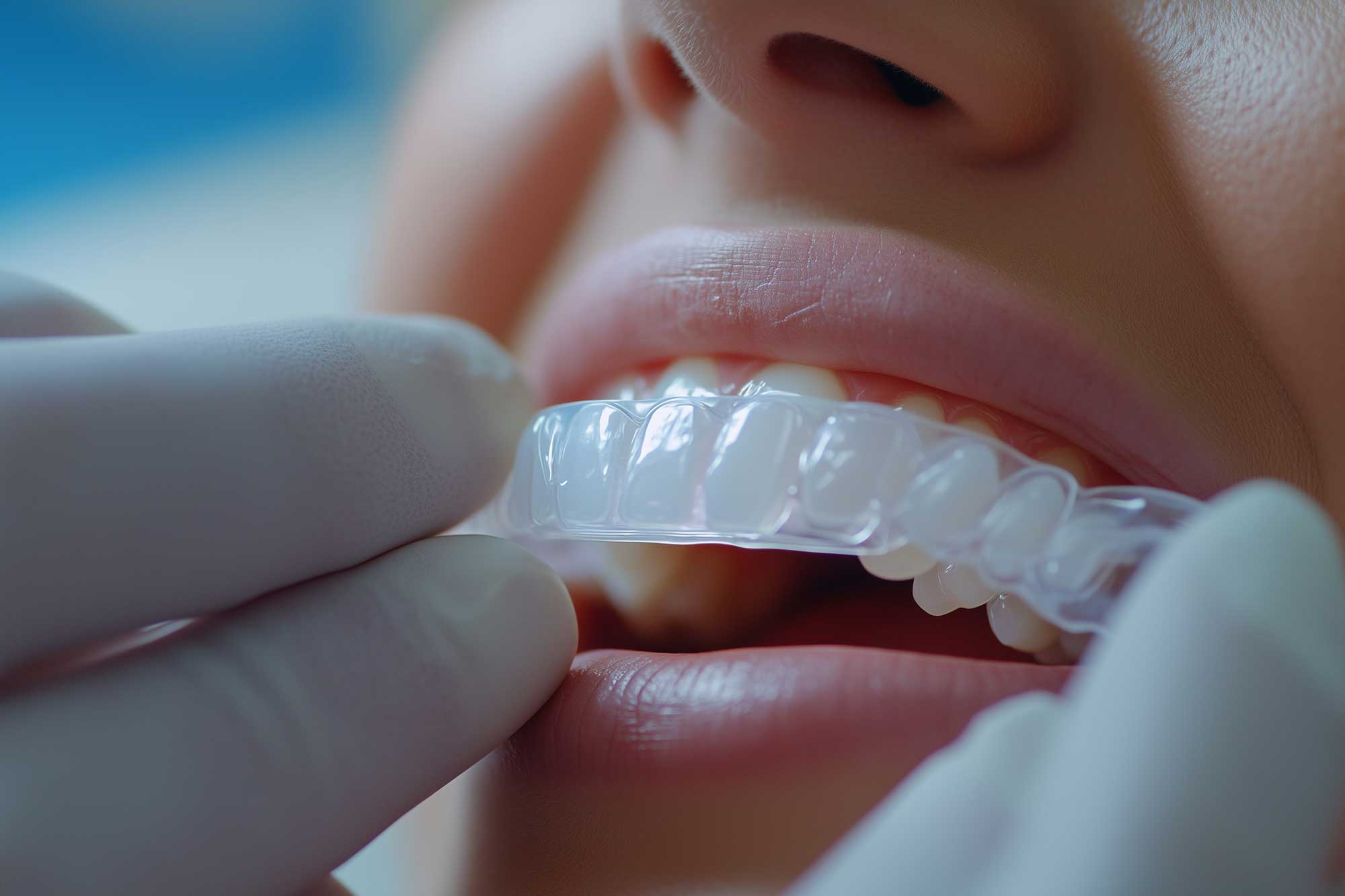
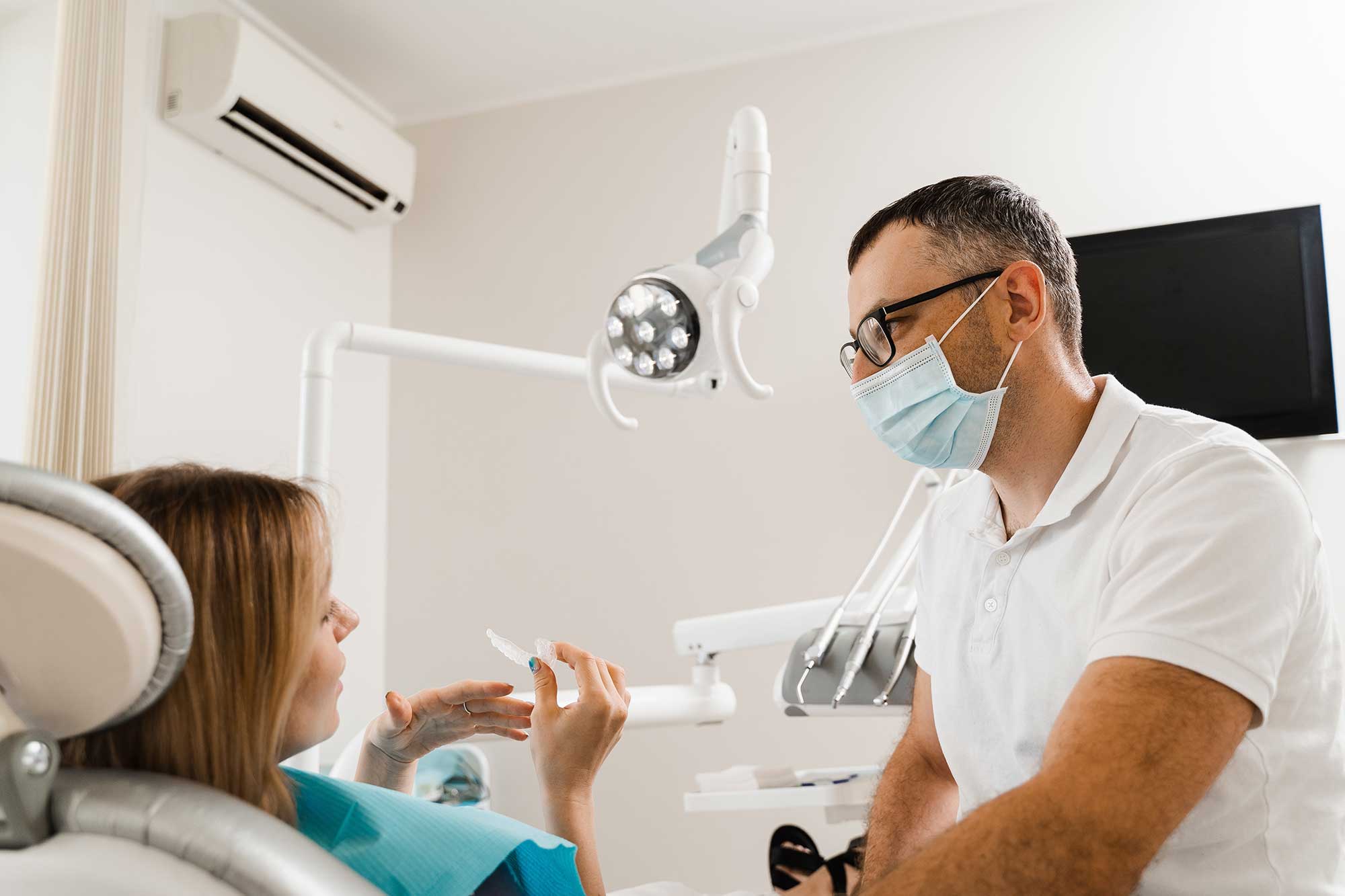
Made by your dentist or in a lab, these are created precisely from a dental impression or digital scan and molded directly from your teeth for precise fit, maximum comfort and protection. It’s the most expensive choice upfront and requires a dental visit, but it offers superior protection, comfort, and durability, often making it more cost-effective over the long term.
Specialty Mouth Guards
Night guards are specialized mouth guards to address grinding or TMJ:
Soft Night Guards
Comfortable and pliable, these are ideal for mild, occasional teeth grinders.
Hard (Rigid) Night Guards
Made of firm acrylic, they’re best for heavy teeth grinders or TMJ sufferers, but do take some getting used to.
Dual-Laminate Night Guards
Soft inside for comfort and hard outside for protection; they’re a great all-around guard.
There are also specialty styles of Mouth Guards:
Adjustable Night Guards
You can adjust the fit slightly for comfort.
Orthodontic Mouth Guards
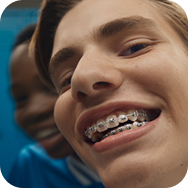
Designed to fit over braces or aligners, these ensure protection and compatibility.
Sleep Apnea/Snoring Guards
These guards, known as Mandibular Advancement Devices (MADs), reposition the jaw to improve airway flow. They are often prescribed for snoring and mild to moderate obstructive sleep apnea, and their use, especially as an alternative to CPAP, should be determined by a medical or dental professional after a proper diagnosis.
Benefits of Wearing