Gum Surgery: Types, Procedure, Recovery, and Aftercare

Gum Surgery: Types and What to Expect
Last Updated : December 11, 2025

Summary

Gum surgery can sound intimidating and even a little scary, but it's often necessary to restore your smile and protect your oral health. Whether you're dealing with gum recession, advanced gum disease, or aesthetic concerns that affect your appearance, understanding the different types of gum surgeries available, what to expect during a procedure, and how to care for yourself afterward can help you feel more prepared and ready to smile again with renewed confidence.

Key Takeaways

  • Gum grafting addresses gum recession by covering exposed tooth roots
  • Gingivectomy removes excess gum tissue to treat disease or improve appearance
  • Periodontal Flap Surgery treats advanced gum disease by cleaning deep pockets and reshaping bone
  • LANAP (Laser-Assisted New Attachment Procedure) is a laser-based treatment for gum disease, offering minimal discomfort and quicker recovery
  • Good oral hygiene and regular checkups are essential to avoid the need for gum surgery
  • Consult with your dentist, dental hygienist and/or a periodontist to discuss the best options to treat any issues you’re having with your gums

Table of Contents

drlee-image

This blog has been reviewed and approved by Dr Robert Lee, a dental professional of 35 years

LEARN MORE >

Key Takeaways

What Is Gum Surgery?

Gum surgery encompasses a variety of procedures for treating gum issues. These include gum recession, when the gum tissue pulls away from the teeth. This exposes more of the tooth or its root and can lead to increased sensitivity and a higher risk of root decay and wear.

Gum surgery addresses both periodontal disease and cosmetic issues. It is typically performed by a periodontist, a dentist who specializes in preventing, diagnosing, and treating periodontal disease. They also specialize in the placement of dental implants.

Types of Gum Surgery

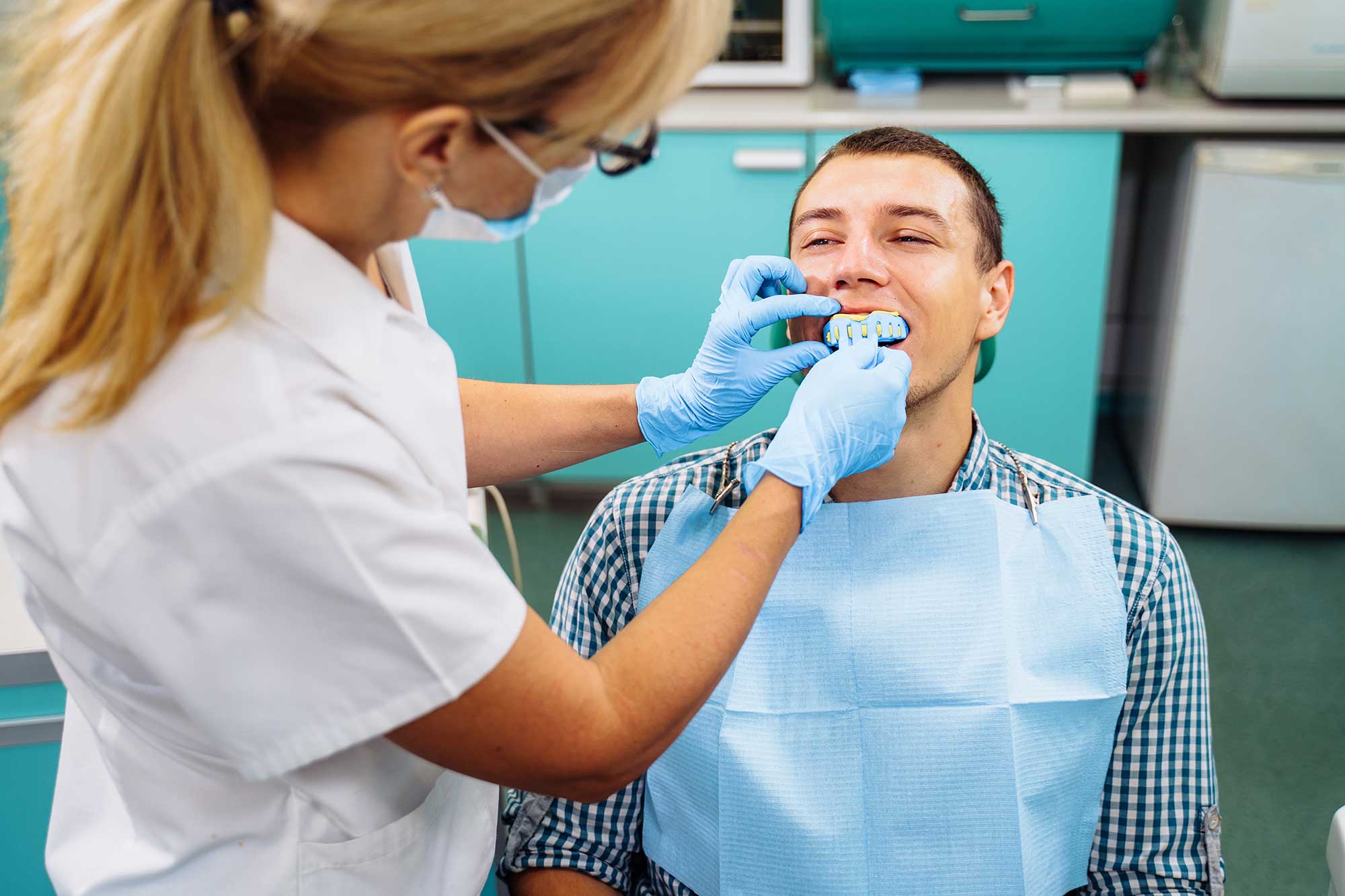
Man in dentist office getting a consultation on gum surgery image

Gum Grafting (Soft Tissue Grafting)

This is commonly recommended for people experiencing gum recession. It aims to cover exposed roots, reduce sensitivity, and improve the appearance of the gums. There are a few types of gum grafts:

  • Connective Tissue Graft: Tissue is taken from the roof of the mouth. It is then stitched under the gum tissue at the site of the gum recession
  • Free Gingival Graft: A small amount of tissue is taken from the roof of the mouth and attached to the affected area
  • Pedicle Graft: Tissue moved from an adjacent area to cover an exposed root

Gingivectomy

This is the removal of excess gum tissue to treat gum disease or to improve the appearance of the gums. It’s often used when there is an overgrowth of gum tissue due to medications or conditions.

Process includes:

  • Removing diseased or overgrown gum tissue
  • Shaping the remaining gum tissue for a more natural appearance
  • Reshaping the underlying bone, if necessary, which is typically done as part of a more extensive procedure like flap surgery

Recovery: Usually quick. Most people return to normal activities within a few days

Crown Lengthening

A cosmetic procedure designed to expose more of the tooth by removing excess gum tissue. It is often performed for a “gummy” smile. It can also be used when there is insufficient tooth structure for a crown or a filling. Crown lengthening can improve both function and appearance, especially when preparing for restorative dental work.

Procedure involves:

  • Removing a small amount of gum tissue
  • Sometimes reshaping the bone to expose more of the tooth

Periodontal Flap Surgery

This may be necessary for cases of advanced gum disease. It helps reduce pocket depths and promotes the reattachment of healthy tissue to the teeth.

Procedure involves:

  • Lifting back the gums to remove tartar and bacteria from deep pockets
  • Smoothing the bone to eliminate areas for bacteria to hide and multiply
  • Repositioning the gums to fit snugly around the teeth

Laser-Assisted New Attachment Procedure (LANAP)

This is a minimally invasive laser treatment for gum disease and is suitable for people with moderate to severe gum disease. It uses a laser to remove infected tissue and promote healing without traditional scalpel surgery.

Benefits:

  • Reduced swelling and discomfort
  • Faster recovery time
  • Preserves healthy tissue

What to Expect When Getting Gum Surgery

The periodontist will discuss the procedure, answer your questions, and give you instructions on how to prepare for the surgery.

  • Most gum surgeries are performed under local anesthesia, so you’ll be comfortable and won’t feel pain. Sedation may be used to help you relax if necessary.
  • The surgery typically takes one to two hours, but can be more, depending on the type and complexity of the gum issue
  • After the procedure, you'll be given post-operative care instructions including taking any prescribed medications as directed, using antimicrobial mouthwashes to prevent infection, and avoiding certain foods and activities to promote healing.

Recovery and Aftercare

Grimacing woman holding a glass of ice water and holding the side of her face image

Proper aftercare is crucial for successful healing and to minimize complications. Aftercare falls into two phases: immediate and long-term.

Immediate Post-Operative Care

Pain Management

  • Some discomfort is normal
  • Over-the-counter pain relievers or prescribed medications can help

Swelling and Bleeding

  • Mild swelling and slight bleeding are common
  • Apply a cold compress to reduce swelling

Dietary Restrictions

  • Eat soft foods and avoid hot, spicy, or crunchy foods
  • Don’t use straws to drink because the suction force can disturb the surgical site

Oral Hygiene

  • Gently brush your teeth, avoiding the surgical area
  • Use an antimicrobial mouthwash to keep the area clean

Long-Term Care

Follow-Up Appointments

  • Attend all scheduled appointments
  • Allows the periodontist to monitor your healing and address any concerns

Avoid Tobacco

  • Smoking can impair healing and increase the risk of complications

Maintain Oral Hygiene

  • Continue with regular brushing and flossing
  • Avoid the surgical site until your periodontist tells you it’s ok to do so

Be On the Lookout for Complications

  • Contact your periodontist if you experience excessive pain, persistent bleeding, fever, or pus, which can be signs of an infection

Summary

Gum surgery as a category is made up of various procedures for treating gum recession, periodontal disease, or cosmetic issues. Understanding the different types of gum surgeries, what to expect during the procedure, and how to care for yourself afterward can help you feel more confident and prepared.

A periodontist, a dentist who specializes in the prevention, diagnosis, and treatment of gum disease, performs gum surgeries and can guide you in the best procedure to address your condition. Treatments include Gum Grafting, Gingivectomy (removal of excess tissue), Crown Lengthening, and Laser-Assisted New Attachment Procedure (LANAP). Each has benefits depending on the condition of the affected gum tissue.

With the right surgery and proper aftercare, along with continued oral hygiene practices, your teeth and gums will feel healthier, and you will face the world feeling more confident.

Maintaining Your Smile After Gum Surgery

After your gum surgery, establishing a gentle yet effective long-term oral care routine is crucial for protecting your investment and maintaining your newly restored gum health. Once your periodontist gives you the green light to resume normal cleaning, using the right products can help prevent future issues and keep your smile healthy and confident.

Your personalized daily oral care routine can help preserve any dental work done and maintain a stronger smile going forward:

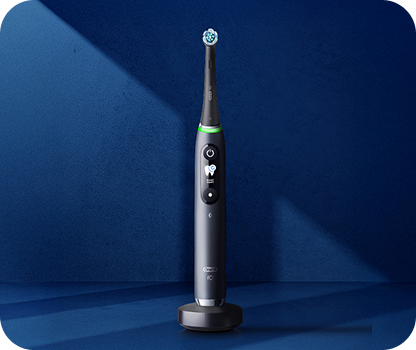
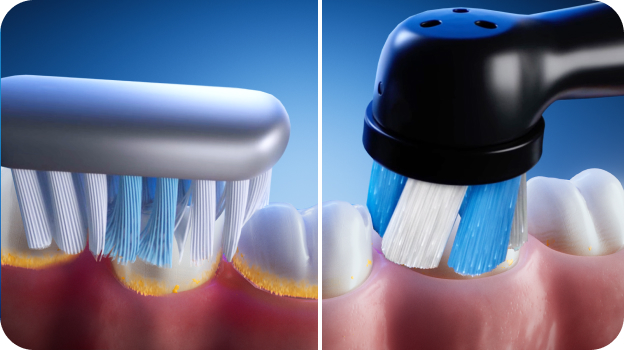
  • Brush 2X/day with an Oral-B iO Electric Toothbrush: To prevent the plaque buildup that can lead to gum disease, a powerful yet gentle cleaning is key. Once your gums have fully healed, an electric toothbrush like the Oral-B iO can help maintain your results. It removes up to 100% more plaque than a regular manual toothbrush, and its Smart Pressure Sensor alerts you if you're brushing too hard, which helps protect your healing gums
  • After removing the decayed material from teeth, fillings and restorations are used to finalize the procedure. When compared to a regular manual toothbrush, electric toothbrushes like the Oral-B iO, help remove 100% more plaque—the main culprit of tooth decay such as a cavity.
  • Use a Crest Fluoride Toothpaste: Brush with a toothpaste that’s formulated with fluoride such as Crest to reinforce enamel strength and reduce your risk of tooth decay and gum disease while also promoting a healthier mouth to support the dental work that has been done.
  • Clean Between Teeth with an Oral-B Water Flosser: Cleaning between the teeth is critical to help prevent a recurrence of gum disease. Especially while gums are healing, a water flosser can be a gentle and effective way to flush plaque and food particles from around the surgical site (on a low, gentle setting, as advised by your periodontist) and the rest of your mouth.
  • Rinse with a Crest Pro-Health Multi-Protection Mouthwash: Your periodontist may recommend an antimicrobial rinse immediately after surgery. For long-term health, rinsing with an alcohol-free, anti-gingivitis mouthwash like Crest Pro-Health Multi-Protection helps kill the bacteria that cause plaque and gingivitis, reducing the risk of future gum problems without the burn of alcohol.

Pair professional dental procedures with a personalized at-home oral care routine of brushing twice daily, flossing at least once a day, and rinsing with an antibacterial mouthwash, you can better support the long-term success if your treatment for a healthier, more confident smile.

FAQs

  • How painful is gum surgery?
  • How long does gum surgery take to heal?
  • What are the disadvantages of gum surgery?
  • Can receding gums be fixed without surgery?

Sources

He, T., et al. (2025). Randomized Controlled Trials Assessing Exposure Frequency Effects of Stannous Fluoride on Gingivitis. JDR Clinical and Translational Research, 10(2), 124–134. https://doi.org/10.1177/23800844241263031

Sutor, S., et al. (2025). Effect of a powered and a manual toothbrush in subjects susceptible to gingival recession: A 36-month randomized controlled clinical study. International Journal of Dental Hygiene, 23(1), 26–36. https://doi.org/10.1111/idh.12834

Thurnay, S., et al. (2022). A Global, In-Market Evaluation of Toothbrushing Behaviour and Self-assessed Gingival Bleeding with Use of App Data from an Interactive Electric Toothbrush. Oral Health & Preventive Dentistry, 20, 1–10. https://doi.org/10.3290/j.ohpd.b2572911

Zou, Y., et al. (2024). A meta-analysis comparing toothbrush technologies on gingivitis and plaque. International Dental Journal, 74(1), 146-156. https://doi.org/10.1016/j.identj.2023.06.009

Table of Contents

  • What Is Gum Surgery?
  • Types of Gum Surgery
  • What to Expect When Getting Gum Surgery
  • Recovery and Aftercare
  • Summary
  • Maintaining Your Smile After Gum Surgery

  • FAQs
  • Sources
drlee-image

This blog has been reviewed and approved by Dr Robert Lee, a dental professional of 35 years

LEARN MORE >

Related Products

1421