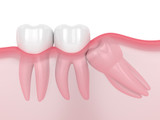
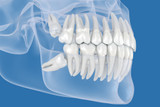
Wisdom teeth are the last molars that appear in our mouths in the late teens or early 20s. They don’t always cause trouble, but when they do, they can throw your mouth out of whack. Whether it’s pain bad enough to keep you up at night, an impacted tooth that won’t come through properly, or simply no room left to grow, knowing what to watch for with wisdom teeth and how to care for them matters. In this article, we’ll walk through when and why to remove wisdom teeth, common warning signs, and easy-to-follow tips for supporting a smooth recovery.
Read more
Wisdom teeth pain can sneak up on you, whether you're in your late teens or early twenties. Anthropological evidence suggests these third molars were essential for our ancestors, helping them chew tough, coarse foods. In modern humans, however, they often cause more trouble than they're worth. Whether it’s a dull ache or a sharp, persistent pain, wisdom teeth can disrupt daily life when they start to emerge or become impacted. Fortunately, there are ways to ease the discomfort and prevent complications. So, we’ll take you through what causes wisdom teeth pain, how to recognize the symptoms, and the most effective ways to treat it.
Read more
Wisdom teeth are the last back molars in your mouth that grow in during adolescence. Dentists typically watch for your wisdom teeth to grow in and closely monitor them to ensure the new teeth have space to grow in and do not disrupt other teeth. Wisdom teeth are unique to individuals, some people have them, some don't and some need them removed. Your dentist will give you recommendations about your wisdom teeth and consult on whether you need them removed. Always keep up with routine oral care and don't forget to brush and floss your back molars too! If you experience any pain with your wisdom teeth or in the back of your mouth, be sure to see your dentist.
Read more
We've all heard of wisdom teeth—those molars at the back of your mouth that often make their appearance in our late teens or early twenties. They are a little mysterious, often problematic, and pose many questions. In many cases, they’ll need to be removed, but only your dentist can tell you for sure. Let's dive into the world of wisdom teeth and get some information on how many we typically have, why they exist, and what to do if they cause trouble.
Read more
A wisdom tooth infection can happen before or after removing wisdom teeth. If you notice redness, swelling, pain or discomfort at the back of your mouth be sure to see your dentist, as those could be signs and symptoms of a wisdom tooth infection starting. Your dentist will share treatment options that are best for you and sometimes antibiotics are recommended. Although getting infections after having your wisdom teeth removed are less common, it can still happen.
Read more
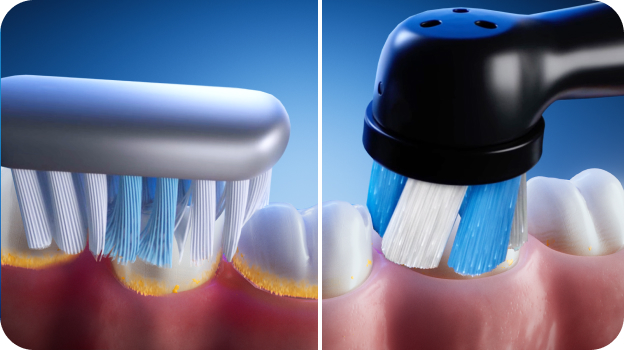
Partially erupted teeth are especially hard to clean around and they are susceptible to gingivitis. Add an electric toothbrush to your daily oral hygiene routine to better protect and improve gum health. Oral-B’s round brush head surrounds each tooth to clean more surfaces and remove 100% more plaque than a regular manual toothbrush.
Read more
Getting your wisdom teeth removed is a common dental procedure, but it can feel somewhat intimidating if you don't know what to expect. Whether your wisdom teeth are causing you pain, are impacted, or pressing against your other teeth, removal is often the best option. Fortunately, the process is straightforward, and with the right aftercare, recovery is usually smooth. Let's walk you through the basics, from the procedure itself to helpful recovery tips, so you can feel more prepared and less stressed.
Read more