What to Expect: The First 24 Hours
The first day is usually the toughest, but with proper care and plenty of rest, you should get through it with few problems. Here's what you can expect:
Bleeding: Some oozing is normal. You'll need to bite down on the gauze and change it as instructed.
Swelling: It usually peaks around day two or three. Ice packs can help reduce puffiness. Use them 20 minutes on, and 20 minutes off.
Pain: Over-the-counter pain relievers like ibuprofen usually do the trick. Your dentist might prescribe something stronger if needed.
Eating: Stick to soft foods, like smoothies, mashed potatoes, applesauce, or broth. Avoid spicy foods and anything crunchy. Even straws should be avoided in the beginning.
Rest: You have been through surgery, so take it easy. Elevate your head with pillows and avoid physical activity for a few days.
Tips for a Smooth Recovery
The healing process usually takes about a week, but some people bounce back quicker. There are some things you can do to speed up your recovery.
- Keep the mouth clean by gently rinsing with warm saltwater starting 24 hours after surgery. Avoid brushing near the surgery site for a few days.
- No sucking or spitting, because these can dislodge the blood clot and lead to dry socket, a painful condition where the bone is exposed.
- Follow medication instructions. If your dentist prescribed medications, follow the instructions carefully. Antibiotics must be taken for the full course as prescribed to prevent infection. Painkillers should be taken as directed to manage your discomfort.
- Stay hydrated and drink plenty of water, but avoid carbonated or alcoholic beverages.
- Watch for warning signs and call your dentist if you notice persistent bleeding, fever, severe pain after the third day, or foul odor. These could be signs of infection or dry socket.
Back to Normal
For most people, you'll be back to work, school, or light activity within 2–3 days. However, complete healing inside the mouth can take a few weeks. Remember, everyone heals at a different pace, so listen to your body and follow your dentist's advice. Here's a general timeline:
Day 1-3: Expect swelling, mild bleeding, and some soreness.
Day 4-7: Pain and swelling start to subside, so you can ease back into more normal eating and brushing routines.
After 1 week: Stitches (if used) usually dissolve or are removed. Most people feel significantly better.
After 2 weeks: You should be fully back to normal, though internal healing will continue.
Long-Term Care
Once your wisdom teeth are out and you're healed, you're good to go. There's usually no further treatment needed. But if you haven't had these teeth removed yet, regular dental visits are important. Your dentist will monitor your wisdom teeth with periodic X-rays, especially during your late teens and early twenties.
In some cases, if wisdom teeth come through without causing any problems, you might be able to keep them. Just be sure to brush and floss thoroughly in the hard-to-reach areas in the back of your mouth. This is also another reason to make sure to see your dentist or dental hygienist every six months. And if you feel any pressure, pain, or jaw stiffness, report it to a dental professional.
Summary
Wisdom teeth removal is a common procedure, especially when they are impacted, causing pain, or crowding other teeth. The process typically takes under an hour and involves local or general anesthesia. Regular dental checkups can help determine if and when your wisdom teeth need to come out.
While the first few days of recovery may involve swelling and mild pain, most people feel much better by the end of the week. However, if the pain or swelling doesn't subside, or if you notice persistent bleeding, fever, or severe pain after the third day, call your dentist or oral surgeon. These could be signs of infection or dry socket.
Following your dentist's aftercare instructions, like eating soft foods, avoiding straws, and resting, helps reduce the risk of complications like dry socket. With proper care, recovery is usually quick and uneventful, allowing you to return to your normal routine in just a few days.
Wisdom Teeth: Steps for a Smarter Smile
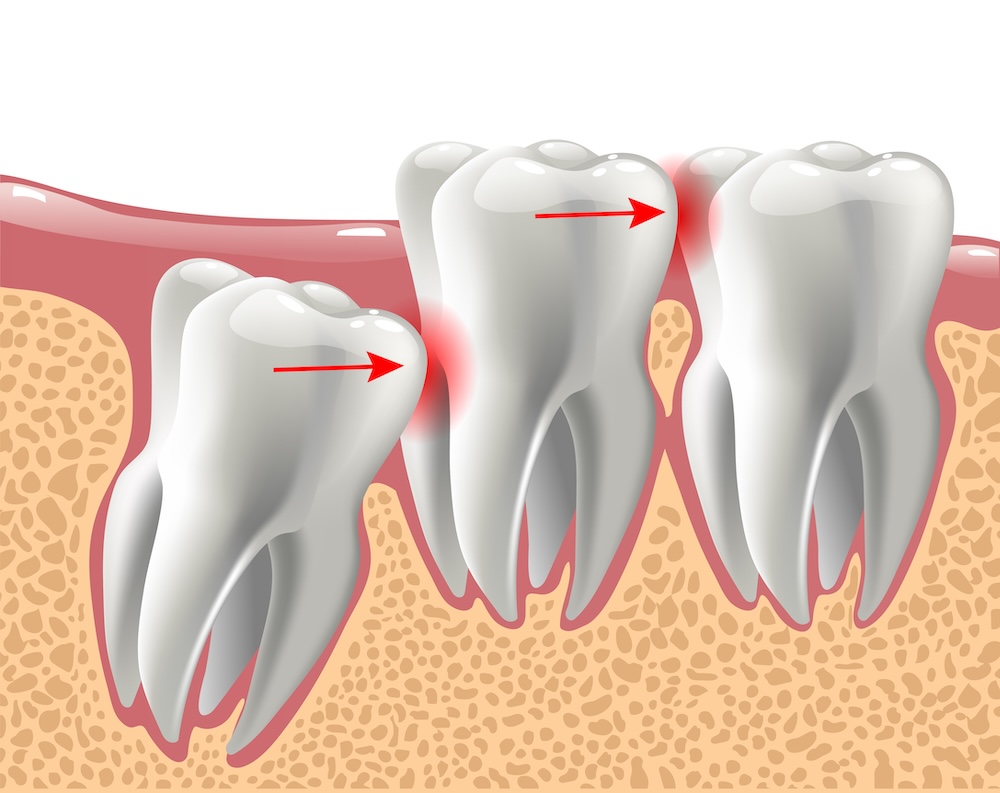
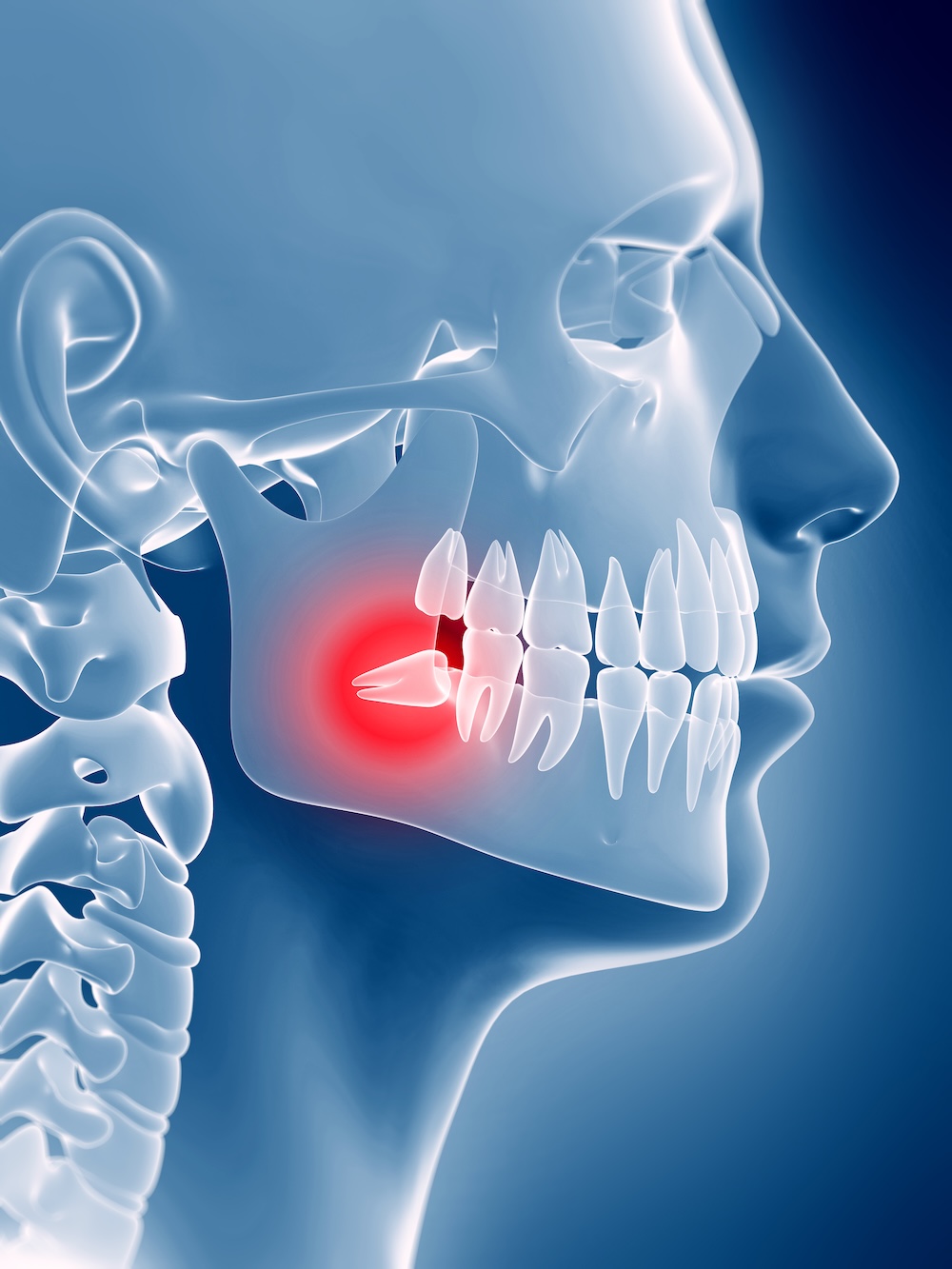
Wisdom teeth are the last teeth to finally make their appearance—often erupting in the late teens or early twenties. However, they are not without their complications. Wisdom can become impacted (stuck) or only partially emerge. This can lead to oral discomfort and possible infections. A complete oral care routine at home can help you keep your wisdom teeth in check or support healing if they're removed.
Here's your guide to caring for your smile post-wisdom teeth eruption or extraction:
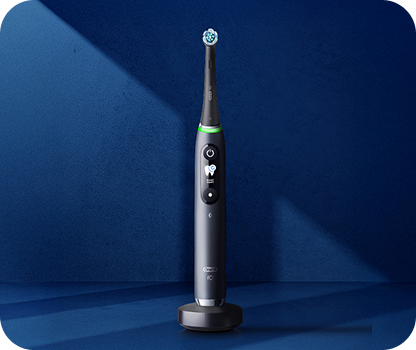
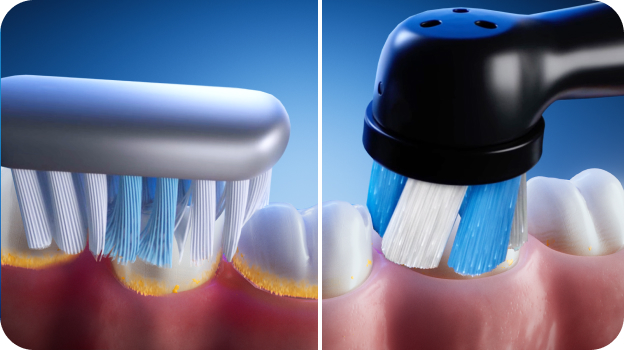
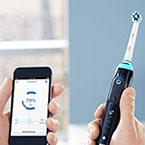
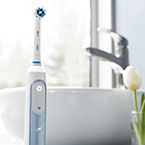
- Brush 2X/day with an Oral-B iO Electric Toothbrush: Partially erupted wisdom teeth create a flap, or opening, in the gums that may accumulate plaque buildup. An electric toothbrush like the Oral-B iO can reach hard-to-clean areas of the mouth more effectively than a manual toothbrush to remove up to 100% more plaque.
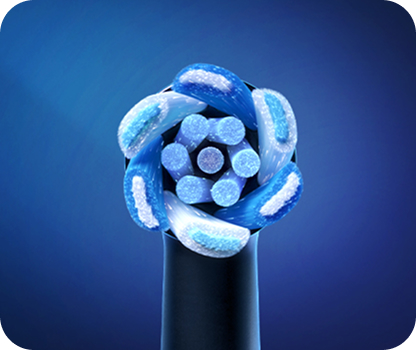
- Pair It with an Oral-B iO Gentle Care Replacement Brush Head: Wisdom teeth can lead to sensitivity. Soft bristled toothbrush heads like the Oral-B iO Gentle Care are designed to gently clean more sensitive areas for a more comfortable brushing experience.
- Use a Crest Fluoride Toothpaste: Brush with a toothpaste that's formulated with fluoride such as Crest to reinforce enamel strength and reduce your risk of tooth decay which is especially important for partially erupted teeth.
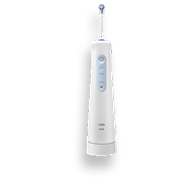
- Incorporate an Oral-B Water Flosser into Your Routine: Using a water flosser in addition to traditional string floss can help flush out plaque and food debris from hard-to-reach areas around wisdom teeth, reducing the bacteria that can lead to inflammation.
- Rinse with a Crest Mouthwash: Swish away any leftover plaque or food particles with an antigingivitis/antiplaque mouthwash like Crest Pro-Health Multi-Protection to help kill germs that cause plaque, gingivitis, and bad breath.
By maintaining a complete oral care routine that consists of an electric toothbrush, targeted flossing, antibacterial rinse, and fluoride toothpaste you can help reduce the oral health risks that come with wisdom teeth and support the healing process if extraction is necessary. If you have any jaw discomfort, gum tenderness or visible swelling, consult your dental professional right away. Early assessment helps determine if wisdom tooth removal may be necessary to maintain a healthy, strong smile.