Wisdom Tooth Infection: Causes, Symptoms, And Treatments

SUMMARY
Key Takeaways
- As wisdom teeth come through, infections can form.
- If you notice wisdom teeth infection signs and symptoms such as redness, swelling, pain and discomfort, go to your dentist for a diagnosis.
- Sometimes antibiotics are needed to heal a wisdom tooth infection.
- On occasion, an infection may happen after getting your wisdom teeth removed.
- Always practice good oral hygiene with daily brushing and flossing to prevent a wisdom tooth infection.
Table of Contents

This blog has been reviewed and approved by Dr Robert Lee, a dental professional of 35 years
LEARN MORE >Key Takeaways
During your late teens or early twenties, you may need your wisdom teeth removed. Dentists recommend removing wisdom teeth depending on how your wisdom teeth grow in and whether you have space at the back of your mouth for them. Even though removing wisdom teeth is a routine procedure and common, sometimes wisdom teeth can also become infected and need to be extracted. Learn about wisdom teeth infections, causes, symptoms and treatments.
Wisdom Tooth Infection
As wisdom teeth come through, it can cause pain at the back of your mouth and may also result in infections. Sometimes, one may not have enough space for their wisdom teeth to grow in, or the teeth may come through improperly and at angles, causing complications in the mouth and making it more challenging to brush or floss. Wisdom teeth infections happen when bacteria accumulate, which can lead to tooth decay, gum infections or pericoronitis (inflammation of the gum tissue around wisdom teeth).
Wisdom Tooth Infection Symptoms and Signs

If you have pain at the back of your mouth or notice redness or swelling in your mouth, be sure to get to your dentist for a diagnosis. Here are a few signs and symptoms of a wisdom tooth infection:
- Pain in your mouth, especially at the back area
- Redness and swelling of gums
- Bad breath
- Difficulty opening mouth or chewing
- Swollen lymph nodes
- Fever
Wisdom Tooth Treatment

Your dentist will probably clean around the infected wisdom tooth area and will then give you recommendations based on your specific conditions. Sometimes recommending a mouthwash and other oral care tips can help a tooth infection. However, for more severe wisdom tooth infections antibiotics may be needed.
- It’s vital to continue to take care of your oral care and keep your mouth clean, even in the infected area.
- Sometimes rinsing your mouth with salt water and warm water can help.
Antibiotics for Wisdom Tooth Infection
Your dentist will determine what antibiotics are best for you if you have a wisdom tooth infection. Antibiotics are prescribed to treat bacterial infections and prevent them from spreading. Your dentist may also recommend over-the-counter medications to help your pain and other symptoms with an infection.
Infection After Wisdom Tooth Removal
Infections can happen after having wisdom teeth removed. A study found that a certain percentage of people may develop infections after wisdom teeth removal. Consult your dentist about what infections may look like after having your wisdom teeth removed and if you notice any pain after wisdom teeth are extracted don’t hesitate to go back to your dentist!
Oral Care and Wisdom Teeth Infections
Keep your teeth clean and cavity-free to help promote the healing process after a wisdom tooth extraction. A thorough oral care routine can help keep plaque at bay and further prevent tooth decay. Here are a few suggestions to help establish a regular, effective routine.
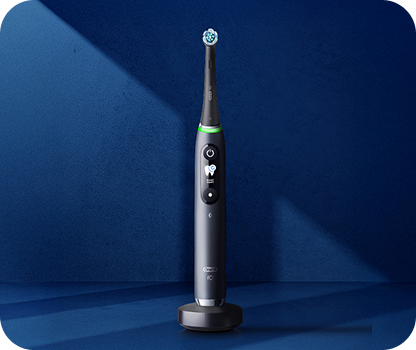
- Try switching to an electric toothbrush, such as the Oral-B iO electric toothbrush, which protects teeth and gums from the leading causes of tooth decay, signs of early gum disease, and tooth loss.
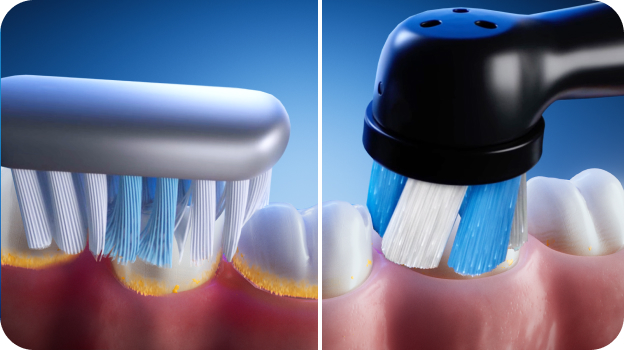
- The right toothbrush head, such as the Oral-B iO Ultimate Clean brush head, removes plaque and has different bristle lengths that reach deep into the spaces between your teeth, where plaque bacteria love to hide.
- Combine with a toothpaste containing stannous fluoride, such as Crest Pro-Health Toothpaste, which is formulated to help protect against plaque and gingivitis.
- To further protect your mouth, swish with a multi-protection rinse like Crest Pro-Health Multi-Protection Mouthwash.
- To help prevent tooth decay and reduce your risk of developing gum disease by removing plaque, floss your teeth at least once daily with Oral-B floss, and make sure you get around every tooth. Another easy add-on to help your oral care and prevent cavities from forming is to use an Oral-B water flosser.
There is a connection between oral health and systemic health, so it’s important to treat conditions like tooth decay and gum disease as soon as possible. That’s why Oral-B, in partnership with Crest, is committed to championing oral health for all, conducting research and creating products to help with a wide range of oral health conditions. Oral-B products are scientifically proven to protect teeth and gums from the leading causes of tooth decay, gum disease, and tooth loss.1
FAQs
-
What does a wisdom tooth infection look like?
-
How to know if you have a wisdom tooth infection?
-
How to treat wisdom tooth infection?
-
How to prevent wisdom tooth infection?
-
Can wisdom tooth cause ear infection?
Sources
- https://my.clevelandclinic.org/health/diseases/24142-pericoronitis
- https://www.medicalnewstoday.com/articles/wisdom-tooth-infection#symptoms
- https://my.clevelandclinic.org/health/treatments/antibiotics-for-tooth-infections
Adam, R., et al. (2020). Evaluation of an oscillating-rotating toothbrush with micro-vibrations versus a sonic toothbrush for the reduction of plaque and gingivitis: Results from a randomized controlled trial. International Dental Journal, 70(suppl 1), S16-S21. https://www.sciencedirect.com/science/article/pii/S0020653920314623?via%3Dihub
Chen, C. K., et al. (2017). Association between chronic periodontitis and the risk of Alzheimer's disease: A retrospective, population-based, matched-cohort study. Alzheimer's Research & Therapy, 9, 56. https://alzres.biomedcentral.com/articles/10.1186/s13195-017-0282-6
Ganss, C., et al. N. (2018). Tooth brushing motion patterns with manual and powered toothbrushes-a randomised video observation study. Clinical Oral Investigations, 22(2), 715–720. https://link.springer.com/article/10.1007/s00784-017-2146-7
Grender, J., et al. (2020). An 8-week randomized controlled trial comparing the effect of a novel oscillating-rotating toothbrush versus a manual toothbrush on plaque and gingivitis. International Dental Journal, 70, S7–S15. https://www.sciencedirect.com/science/article/pii/S0020653920314647?via%3Dihub
Grossi, S. G., et al. (1998). Periodontal disease and diabetes mellitus: A two-way relationship. Annals of Periodontology, 3, 51-61. https://aap.onlinelibrary.wiley.com/doi/10.1902/annals.1998.3.1.51
Janket, S. J., et al. (2003). Meta-analysis of periodontal disease and risk for coronary heart disease and stroke. Oral Surgery, Oral Medicine, Oral Pathology, Oral Radiology, and Endodontology, 95, 559-569. https://www.oooojournal.net/article/S1079-2104(02)91707-5/abstract
Stookey, G. K., et al. (2004). The relative anticaries effectiveness of three fluoride-containing dentifrices in Puerto Rico. Caries Research, 38(6), 542–550. https://karger.com/cre/article/38/6/542/327405/The-Relative-Anticaries-Effectiveness-of-Three
Terézhalmy, G. T., et al. (2008). Plaque-removal efficacy of four types of dental floss. Journal of Periodontology, 79(2), 245–251. https://aap.onlinelibrary.wiley.com/doi/10.1902/jop.2008.070345
Zou, Y., et al. (2024). A meta-analysis comparing toothbrush technologies on gingivitis and plaque. International Dental Journal, 74(1), 146-156. https://www.sciencedirect.com/science/article/pii/S0020653923001004?via%3Dihub
Table of Contents
- Wisdom Tooth Infection
- Wisdom Tooth Infection Symptoms and Signs
- Wisdom Tooth Treatment
- Antibiotics for Wisdom Tooth Infection
- Infection After Wisdom Tooth Removal
- Oral Care and Wisdom Teeth Infections
-
- FAQs
- Sources

This blog has been reviewed and approved by Dr Robert Lee, a dental professional of 35 years
LEARN MORE >
Sign Up
for gum care tips, expert advice, and exclusive offers.
Sign Up
for gum care tips, expert advice, and exclusive offers.