Wisdom Teeth: When to Remove Them, Symptoms, and Care Tips

Woman holding the side of her jaw, wincing in pain
Last Updated : December 22, 2025

SUMMARY

Wisdom teeth are the last molars that appear in our mouths in the late teens or early 20s. They don’t always cause trouble, but when they do, they can throw your mouth out of whack. Whether it’s pain bad enough to keep you up at night, an impacted tooth that won’t come through properly, or simply no room left to grow, knowing what to watch for with wisdom teeth and how to care for them matters. In this article, we’ll walk through when and why to remove wisdom teeth, common warning signs, and easy-to-follow tips for supporting a smooth recovery.

Key Takeaways

  • Wisdom teeth usually arrive between ages 17–25 and often cause issues due to lack of space.
  • Extraction of wisdom teeth is often recommended if there is pain, infection, or crowding, or if there are cysts or gum problems.
  • Removal is easier and heals faster in younger adults because the teeth roots are less developed and the bone is softer.
  • Full recovery takes about 1–2 weeks. You can expect swelling and pain, but soft foods and careful care make recovery manageable.
  • Follow practical after-care steps including rest, cold packs and salt rinses. Gentle brushing is ok but avoid straws or smoking.

Table of Contents

drlee-image

This blog has been reviewed and approved by Dr Robert Lee, a dental professional of 35 years

LEARN MORE >

Key Takeaways

When Do Wisdom Teeth Need Removal?

> They’re Causing Pain or Infection
If you have persistent discomfort near your back molars, it might be an impacted wisdom tooth. Impacted means the tooth can't fully emerge due to crowding or its angle. The signs include swollen, tender gums or jaw pain. However, these aren’t always obvious until an infection sets in.

> They're Partially Emerging
Sometimes, wisdom teeth peek out through the gum, creating a flap where bacteria hide. This may lead to pericoronitis, a painful gum infection.

> Crowding Other Teeth
If there's not enough room for wisdom teeth, they can contribute to the shifting of neighboring teeth, which may cause alignment issues or complicate orthodontic work.

> Cysts or Damage to Nearby Teeth
Impacted teeth can cause cysts, which are fluid-filled sacs that can damage the jawbone, nerves, and roots of adjacent teeth.

> Proactive (Prophylactic) Extraction
Some dentists suggest removing wisdom teeth early, even if they're symptom-free. The benefits are a less complicated surgery, easier healing, and fewer future dental surprises, especially when it’s done as a teen or young adult. Others argue that removal shouldn't happen unless there's a problem. Ultimately, the decision depends on personal risk factors including tooth position, your age, and how easily your dentist can clean the area.

Signs Of Trouble

Sometimes wisdom teeth look harmless, but they harbor hidden issues. Consistent monitoring by a dental professional is essential. Here are some things to be on the lookout for:

✘ Pain or Jaw Tenderness: You may feel sore, achy, or even sharp pain around the back of your mouth, especially when eating, talking, or opening your mouth wide.

✘ Swelling and Infection: Swelling, redness, or fever can point to inflammation or infection, because bacteria love to hide where teeth only partially emerge.

✘ Gum Irritation and Cleanliness Issues: Partially erupted teeth can trap food and bacteria, which can cause gum swelling, bleeding, or bad breath.

✘ Pressure or Crowding: Wisdom teeth can push against other teeth, shifting them out of alignment, especially if you're undergoing orthodontic work.

✘ Cysts or Damage: Rarely, fluid-filled cysts can form around an impacted tooth, which can damage bone or nearby tooth roots.

The Removal Process: What to Expect

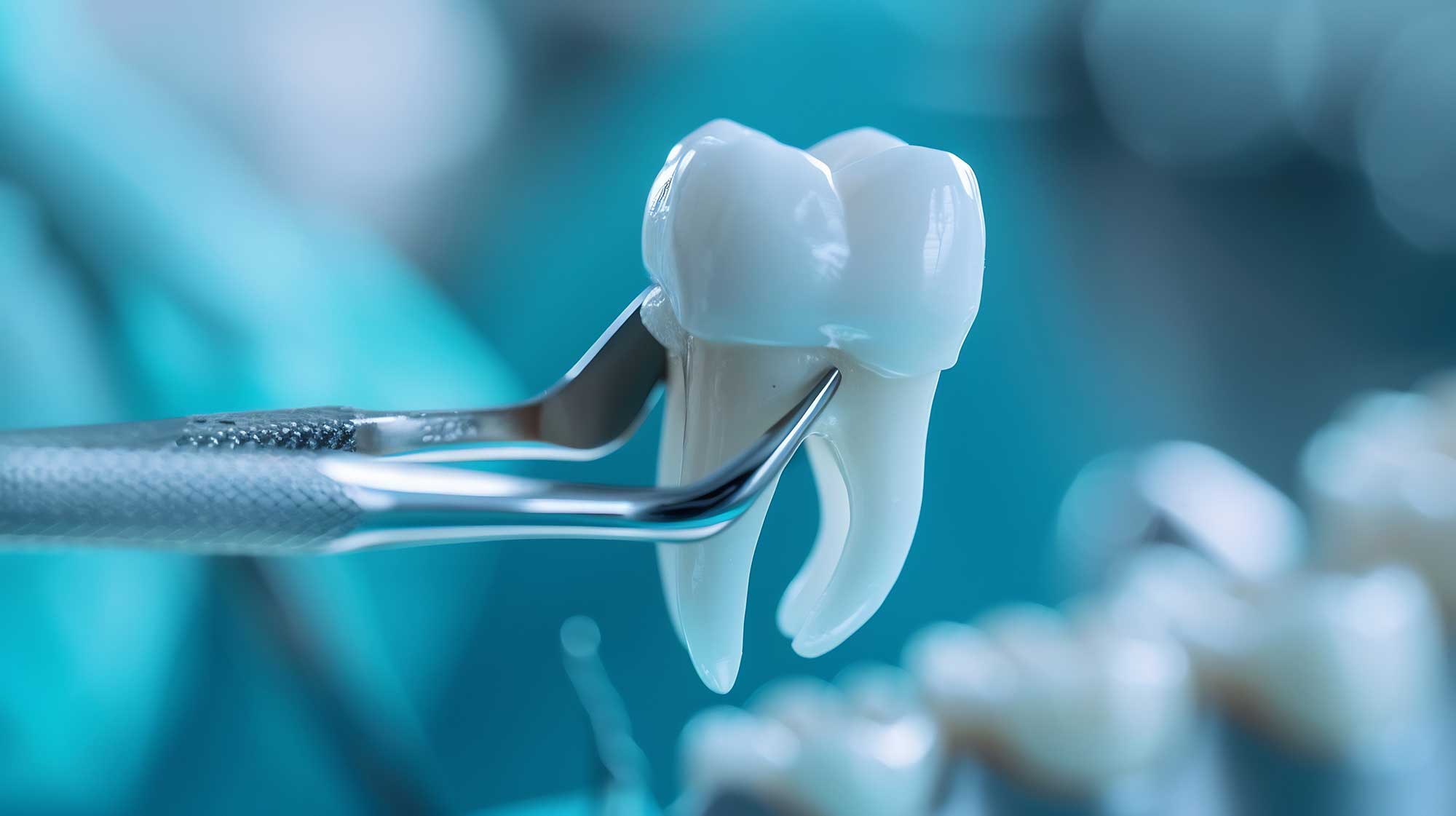
extracted wisdom tooth

  1. Diagnosis and Planning Consultation
    X-rays help your dentist determine if the teeth are impacted or near important structures. Using Panoramic or 3D scans will identify dangerous root positions or nerve proximity

  2. Choosing Where and How
    Simple cases might be handled by your dentist, but for more complex cases, you may be referred to an oral surgeon.

  3. Anesthesia Options
    There are a few options that your surgeon can choose from:
    • Local anesthesia numbs the area, and you stay awake
    • With sedation, you feel drowsy but are not fully asleep
    • Under general anesthesia, you’re fully asleep

  4. Before Surgery
    You may be asked to fast if using sedation or general anesthesia. Arrange for someone to drive you home, and ask about presurgery meds like blood thinners or pain relief

  5. The Surgery
    The surgeon makes a cut in your gum and removes bone if needed. Then the tooth is taken out, sometimes in pieces. Finally, stitches and gauze are applied to help clotting.

  6. Post-Op Healing
    You should bite on the gauze to help clot formation. Swelling peaks around day 2-3 and subsides after a week or two, and full healing may take 4-6 weeks. Most people return to normal in just a few days.

Recovery: Step-by-Step Care Tips

woman holding a compress to the side of her jaw

You'll likely recover at home in a week or two; here's how to make recovery go smoother:

✔ Manage Bleeding and Swelling
Bite gently on clean gauze for 30–60 minutes to help clotting. Biting on a damp black tea bag works too. The tannic acids in the tea help with clotting. Use ice packs for the first 48 hours for 20 minutes on/20 minutes off, then switch to warm compresses. Keep your head elevated to control swelling.

✔ Pain Relief
Expect soreness or mild pain for 3–4 days. Ibuprofen and acetaminophen are effective in managing the pain. For many people, alternating between over-the-counter pain relievers like ibuprofen and acetaminophen can be very effective. Talk to your dentist or oral surgeon about the appropriate dosage and timing for your specific situation. Only take this combination every eight hours at the most to avoid going over the maximum dose for both drugs. Take prescribed antibiotics, if provided, to help prevent or treat bacterial infections.

✔ Diet & Hydration
Drink plenty of water but avoid straws because the sucking can dislodge the blood clot which can lead to dry socket. Stick to soft foods for 3-5 days. For days 1-4, eat things like yogurt, applesauce, lukewarm soup or ice cream. From day 5 onward, you can move on to eggs, mashed potatoes, oatmeal, and soft veggies. Also, no alcohol for at least a week.

✔ Mouth Cleanliness
Don’t spit, rinse, brush, or use mouthwash for 24 hours to protect the clot. After 24 hours, after meals, gently brush your other teeth and gently rinse with warm salt water. Use a ratio of ½ tsp salt in 8 oz of water.

✔ Things to Avoid
Don’t smoke or use tobacco for at least 3 days (up to a week). This raises the risk of dry socket. Skip vigorous activity for 1–2 days and longer for heavy exercise.

✔ What to Watch For
Some symptoms warrant you contacting your provider immediately:

  • Persistent or heavy bleeding
  • Fever or chills
  • Severe swelling
  • Intense pain after day 4-5 (a common sign of dry socket)
  • Foul taste or bad breath
  • Difficult swallowing or breathing

Potential Risks

There are a few potential risks post-surgery to be on the lookout for.

Dry socket: When the clot breaks, exposing bone. This is painful but treatable.

Infection: Can occur if bacteria get into the site.

Nerve issues: Especially in lower jaw cases, temporary numbness is common.

Jaw or tooth damage and sinus issues: These are rare, but sometimes they happen.

Summary

Wisdom teeth are the last molars that usually come in during your late teens or early twenties. They don't always cause trouble, but when your mouth is too crowded, or they grow in at an angle, you may experience pain, infection, gum irritation, or damage to nearby teeth. Dentists often recommend removing wisdom teeth early in adulthood due to easier extraction and quicker healing.

The process starts with a dental exam and X-rays, followed by a minor surgical procedure under anesthesia if needed. Recovery includes pain control with over-the-counter medications, soft foods, cold packs, and salt-water rinses. Avoiding straws, smoking, and strenuous activity helps prevent complications like dry socket. Most people feel back to normal in about one to two weeks, and long-term follow-up will ensure that oral health remains stable.

Wisdom Teeth: Steps for a Smarter Smile

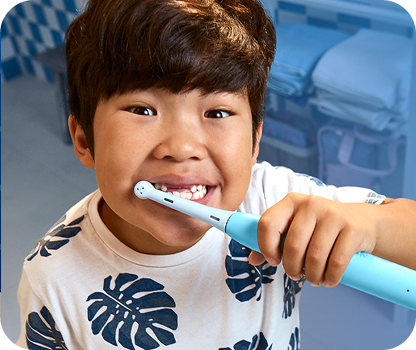
Wisdom teeth are the last teeth to finally make their appearance—often erupting in the late teens or early twenties. However, they are not without their complications. Wisdom can become impacted (stuck) or only partially emerge. This can lead to oral discomfort and possible infections. A complete oral care routine at home can help you keep your wisdom teeth in check or support healing if they’re removed.

Here's your guide to caring for your smile post-wisdom teeth eruption or extraction:

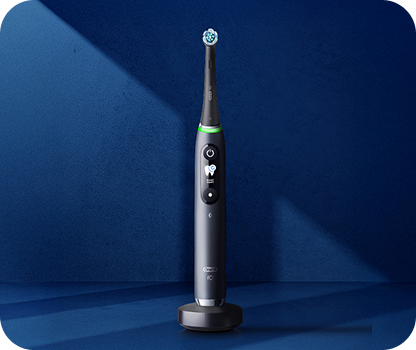
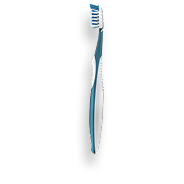
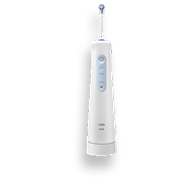
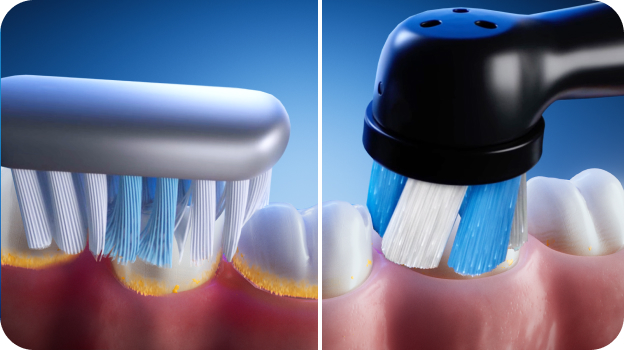
By maintaining a complete oral care routine that consists of an electric toothbrush, targeted flossing, antibacterial rinse, and fluoride toothpaste you can help reduce the oral health risks that come with wisdom teeth and support the healing process if extraction is necessary. If you have any jaw discomfort, gum tenderness or visible swelling, consult your dental professional right away. Early assessment helps determine if wisdom tooth removal may be necessary to maintain a healthy, strong smile.

FAQs

  • When is the best time to remove wisdom teeth?
  • What are common symptoms indicating the need for wisdom teeth removal?
  • How should I care for my mouth after wisdom teeth removal?
  • Can wisdom teeth grow back after removal?

Sources

Table of Contents

  • When Do Wisdom Teeth Need Removal?
  • Signs Of Trouble
  • The Removal Process: What to Expect
  • Recovery: Step-by-Step Care Tips
  • Potential Risks
  • Summary
  • Wisdom Teeth: Steps for a Smarter Smile

  • FAQs
  • Sources
drlee-image

This blog has been reviewed and approved by Dr Robert Lee, a dental professional of 35 years

LEARN MORE >

Related Products

1421