Wisdom Teeth: Function, Location & Anatomy

Summary
Key Takeaways
- Wisdom teeth grow in at the back of your mouth, typically between the age of 17-25, though some may not have any wisdom teeth grow in.
- Dentists monitor how your wisdom teeth grow in and can provide recommendations on whether there is enough space for them or if they need to be removed.
- If you experience pain in the back of your mouth, it may be your wisdom teeth. Be sure to consult your dentist.
- Keep up with your routine oral hygiene and be sure to brush and floss daily and not forget about your back molars or wisdom teeth!
Table of Contents

This blog has been reviewed and approved by Dr Robert Lee, a dental professional of 35 years
LEARN MORE >Key Takeaways
You've probably heard the term 'wisdom teeth' before and may not really understand what wisdom teeth are. Wisdom teeth are a hot topic amongst dental discussions, especially when you begin to experience pains and odd symptoms in the back of your mouth. Although your dentist is always more of a wisdom teeth expert, learn about wisdom teeth, what they are, the location in your mouth they live and find out why wisdom teeth are so heavily discussed when it comes to oral health.
What Are Wisdom Teeth?
Wisdom teeth are the last set of molars that typically erupt between the ages of 17 and 25, although some people may not develop them at all. Once these teeth grow in, they do not grow back. Think of wisdom teeth as your last adult teeth to grow in, as you are 'gaining wisdom' and maturing. Dentists closely monitor and watch for when these teeth grow in because depending on how they grow, it could lead to dental problems and you may need to have some of your wisdom teeth extracted.
You've probably heard of removing wisdom teeth or experienced it yourself. If you have pain in the back of your mouth or discomfort as your wisdom teeth grow in, it might be a sign you will need some teeth surgically removed. Your dentist will watch to ensure you have room in the back of your mouth for these new teeth to come in and will inform you if any oral health issues erupt. A dentist will discuss options for you as your wisdom teeth grow in and will determine if they need to be removed. Learn more about wisdom teeth and why they may get removed.
Does Everyone Have Wisdom Teeth?
No, not everyone has wisdom teeth. Some people have wisdom teeth grow in before the age of 25 and others never have wisdom teeth. Of course, many people need to have some, or all of their wisdom teeth removed.
When Do Wisdom Teeth Come in?
As you mature and develop, so do your teeth. Your wisdom teeth typically begin coming into your mouth at about the ages of 17-25. Some people feel the impact of the teeth growing in and others don't notice at all. Your dentist will monitor your wisdom teeth's growth and ensure there is space for them to come in.
Wisdom Teeth Location and Anatomy
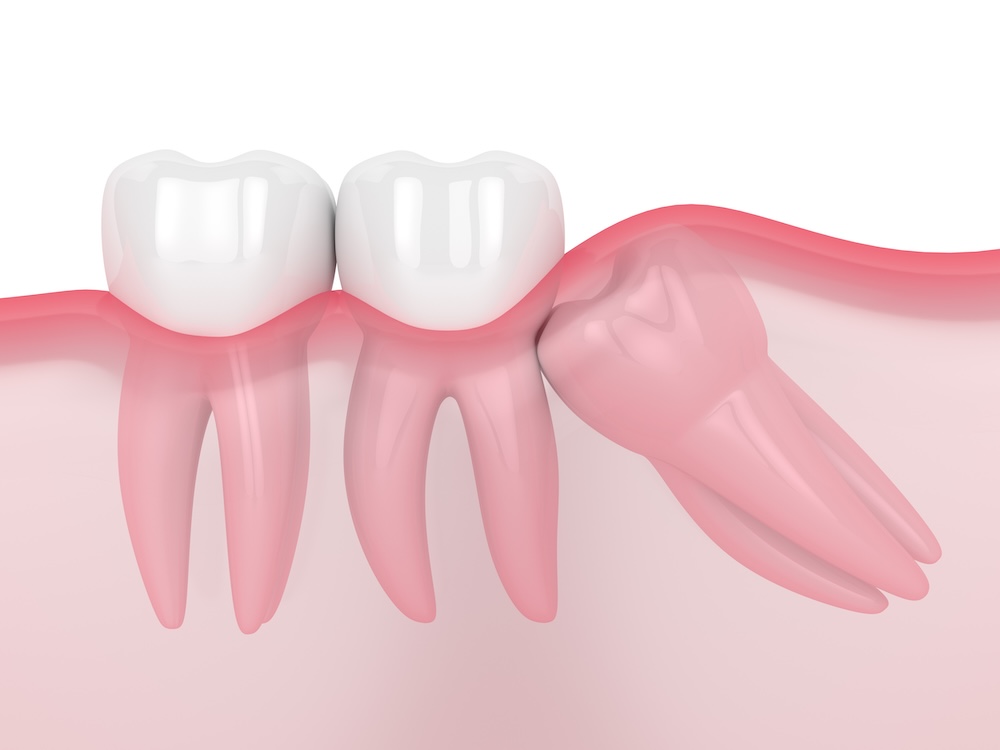
Wisdom teeth grow in the back of your mouth. Typically, four wisdom teeth grow in on the back corners of the upper and lower jaw on the right and left sides. Although wisdom teeth are considered part of the 32 adult teeth, as they grow in, they can create problems if there isn't enough space, which can lead to the teeth becoming impacted (stuck). A dentist will ultimately determine whether you need to have your wisdom teeth removed. You can treat wisdom teeth like you would your other teeth and brush and floss them daily. Because these teeth are in the very back of the mouth, sometimes it can be challenging cleaning them. Once a wisdom tooth is removed, like any other permanent tooth, it will not grow back. Although, you may be able to still collect from the tooth fairy.
To Find Your Wisdom Teeth:
- Open your mouth in front of a mirror and say 'aaaaaaahh'
- Tilt your head slightly down so you can see your molars
- Look to the back of your mouth – your wisdom teeth are in the very back and normally grow in the bottom and upper jaw area
- Your wisdom teeth are likely a similar size to your other molars. If you see teeth growing in abnormally or crooked, be sure to consult a dentist
Wisdom Teeth Pain

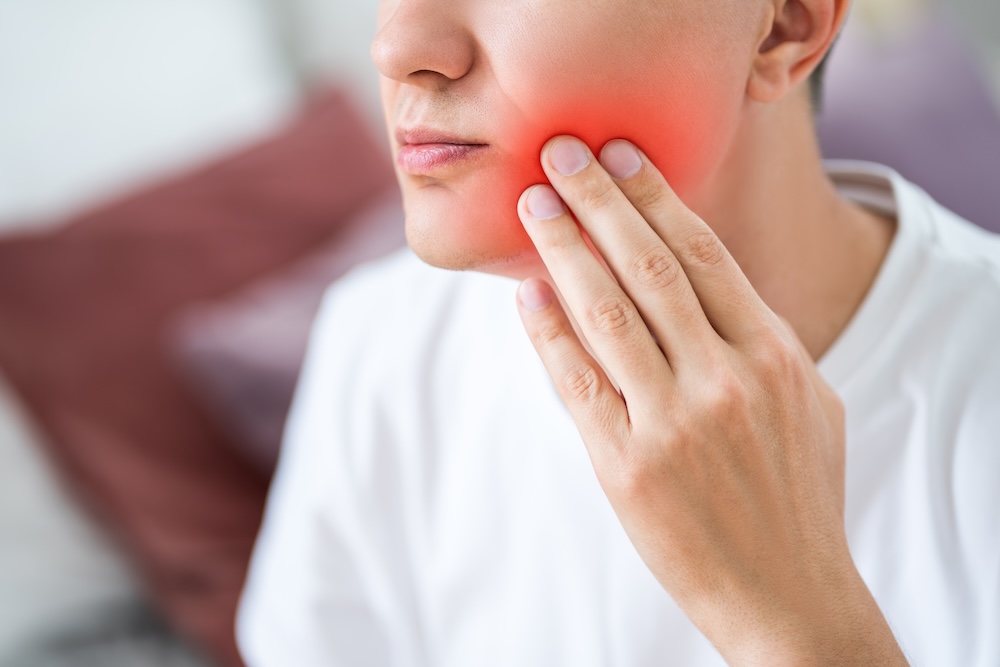
As your wisdom teeth grow in, you may experience pain and notice uncomfortable issues within your mouth. However, some people don't notice them growing in and have no symptoms at all. When your wisdom teeth come in it's best to be mindful of what's happening in the back of your mouth and to reach out to a dentist if you experience any pain with your wisdom teeth. Most likely, dentist will monitor your wisdom teeth during regular teeth cleaning visits and will share how your wisdom teeth look and whether they think there will be complications. It's very normal to have symptoms or pain with your wisdom teeth and if you are impacted by the growth of the wisdom teeth do not worry. Sometimes your wisdom teeth will need to be extracted to ensure your teeth stay healthy.
How Many Wisdom Teeth Do You Have
Everyone's teeth grow at their own natural pace. Not everyone has wisdom teeth, however, most commonly, people will have four wisdom teeth located in the back of your mouth once they grow in. Dentist may remove some or all wisdom teeth overtime as well. Whether or not you have wisdom teeth does not impact your overall oral health much. What is important is that you take care of your teeth and be sure to brush and floss daily and don't forget the molars in the back!
Function of Wisdom Teeth
Anthropologists believe wisdom teeth were necessary for our early ancestors to chew a diet consisting of tougher foods like roots, nuts, and raw meat. With the evolution of modern diets, wisdom teeth are not necessarily needed. The function of wisdom teeth largely depends on how they grow in and the impact they make in your mouth.
What Do Wisdom Teeth Look Like?
Look at the very back of your mouth and you may be able to get a glimpse of your wisdom teeth, the last teeth in the back. Wisdom teeth have a similar structure and surface compared to other molars, but they can vary individually and look different depending on how they grow in. The size of wisdom teeth can vary too. If you are interested in viewing what your wisdom teeth look like, ask your dentist at your next teeth cleaning.
Wisdom Teeth Removal
Everyone's teeth tend to grow in a bit different and it’s best to diagnose teeth issues on an individual account. Most of the time removing your wisdom teeth is a painless process, though you will probably need time to recover. Your dentist will inform you of how to best recover after your wisdom teeth are removed.
- There is no way to predict how your wisdom teeth may grow or develop, however, your dentist can share their knowledge and help you understand how your teeth may grow in.
- Often dentists will recommend removing one or all of your wisdom teeth to avoid bigger oral health problems later.
- Removing your wisdom teeth is a routine procedure that dentists perform and lots of people need them removed.
Have no fear if you need to have wisdom teeth removed, it is a common surgery and although the recovery may take a few days, it is nothing to worry about. Plus, the recovery period is a great reason to enjoy soft foods like ice cream, yogurt, and smoothies!
When Do You Remove Your Wisdom Teeth?
Many young adults choose to have their wisdom teeth removed during a school break, such as summer or winter vacation, to allow for recovery time without interfering with studies or work. You will typically need at least a few days to recover after you get your wisdom teeth removed. Some people choose to do it over a holiday break to ensure their education is not too affected.
Have an Oral Hygiene Routine with Oral-B
Wisdom teeth are the last teeth to finally make their appearance-often erupting in the late teens or early twenties. However, they are not without their complications. Wisdom can become impacted (stuck) or only partially emerge. This can lead to oral discomfort and possible infections. A complete oral care routine at home can help you keep your wisdom teeth in check or support healing if they're removed.
Here's your guide to caring for your smile post-wisdom teeth eruption or extraction:
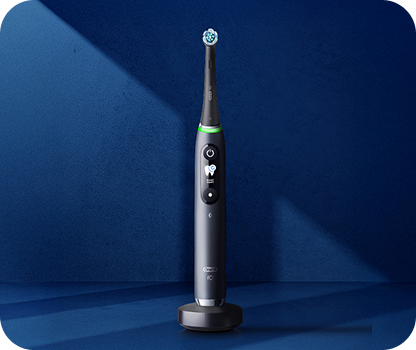
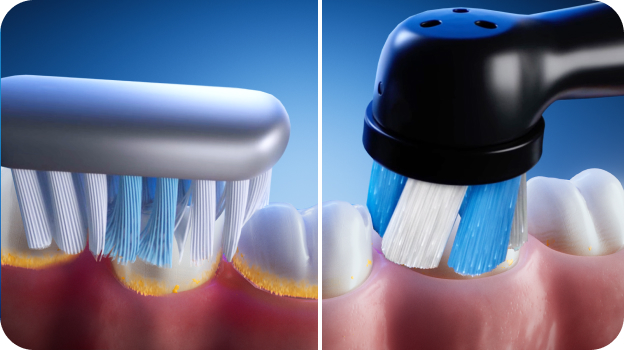
- Brush 2X/day with an Oral-B iO Electric Toothbrush: Partially erupted wisdom teeth create a flap, or opening, in the gums that may accumulate plaque buildup. An electric toothbrush like the Oral-B iO can reach hard-to-clean areas of the mouth more effectively than a manual toothbrush to remove 100% more plaque than a regular manual toothbrush.
- Pair It with an Oral-B iO Gentle Care Replacement Brush Head: Wisdom teeth can lead to sensitivity. Soft bristled toothbrush heads like the Oral-B iO Gentle Care are designed to gently clean more sensitive areas for a more comfortable brushing experience.
- Use a Crest Pro-Health Toothpaste: Brush with a toothpaste formulated with stannous fluoride, such as Crest Pro-Health, to reinforce enamel strength and reduce your risk of tooth decay which is especially important for partially erupted teeth.
- Use an Oral-B Water Flosser in Addition to Traditional Floss: Using a water flosser can help flush out food particles and bacteria from hard-to-reach areas around wisdom teeth, especially where the gums may be tender or swollen.
- Rinse with a Crest Pro-Health Mouthwash: Swish away any leftover plaque or food particles with an antigingivitis/antiplaque mouthwash like Crest Pro-Health Multi-Protection to help keep your mouth fresh and healthy.
By maintaining a complete oral care routine that consists of an electric toothbrush, targeted flossing, antibacterial rinse, and fluoride toothpaste you can help reduce the oral health risks that come with wisdom teeth and support the healing process if extraction is necessary. If you have any jaw discomfort, gum tenderness or visible swelling consult your dental professional right away. Early assessment helps determine if wisdom tooth removal may be necessary to maintain a healthy, strong smile.
FAQs
-
When do wisdom teeth come in?
-
Does everyone have wisdom teeth and is it rare to not have wisdom teeth?
-
What are the first signs of wisdom teeth coming in?
-
Does a wisdom teeth need to be removed?
-
What triggers wisdom teeth to grow
-
Where are upper wisdom teeth located
Sources
- https://www.ada.org/sitecore/content/ADA-Organization/ADA/MouthHealthy/home/all-topics-a-z/wisdom-teeth
- https://www.betterhealth.vic.gov.au/health/conditionsandtreatments/wisdom-teeth
- https://www.mouthhealthy.org/all-topics-a-z/wisdom-teeth
- https://my.clevelandclinic.org/health/body/23223-wisdom-teeth
- https://www.dentalhealth.org/wisdom-teeth
- https://www.webmd.com/oral-health/wisdom-teeth
Biesbrock, A., et al. (2006). Assessment of treatment responses to dental flossing in twins. Journal of periodontology, 77(8), 1386–1391. https://doi.org/10.1902/jop.2006.050399
Grender, J., et al. (2022). A 12-Week Randomized Controlled Trial Comparing a Novel Electric Toothbrush With an Extra Gentle Brush Head to a Manual Toothbrush for Plaque and Gingivitis Reduction. Compendium of Continuing Education in Dentistry (Jamesburg, N.J. : 1995), 43(3), f20–f29.
Ferrari Peron, P., et al. (2025). A Randomized Crossover Trial Assessing Plaque Regrowth Dynamics in Adults With Use of an Oscillating-Rotating Electric Toothbrush Versus a Manual Toothbrush Measured by Digital Plaque Image Analysis. Clinical and Experimental Dental Research, 11(3), e70158. https://doi.org/10.1002/cre2.70158
Kiesow, A., et al (2024). High-Resolution Characterization of Enamel Remineralization Using Time-of-Flight Secondary Ion Mass Spectrometry and Electron Microscopy. Caries Research, 58(4), 407–420. https://doi.org/10.1159/000535979
Table of Contents
- What Are Wisdom Teeth?
- Does Everyone Have Wisdom Teeth?
- When Do Wisdom Teeth Come in?
- Wisdom Teeth Location and Anatomy
- To Find Your Wisdom Teeth:
- Wisdom Teeth Pain
- How Many Wisdom Teeth Do You Have
- Function of Wisdom Teeth
- What Do Wisdom Teeth Look Like?
- Wisdom Teeth Removal
- When Do You Remove Your Wisdom Teeth?
- Have An Oral Hygiene Routine with Oral-B
-
- FAQs
- Sources

This blog has been reviewed and approved by Dr Robert Lee, a dental professional of 35 years
LEARN MORE >
Sign Up
for gum care tips, expert advice, and exclusive offers.
Sign Up
for gum care tips, expert advice, and exclusive offers.