How Many Wisdom Teeth Do People Have?

Summary
Key Takeaways
- Most adults have four wisdom teeth, but it's common to have fewer or none.
- Wisdom teeth typically emerge between ages 17 and 25.
- Their presence and function have diminished over time due to evolutionary changes in diet and jaw size.
- Consulting with a dentist can help determine if removal is necessary based on individual circumstances.
Table of Contents

This blog has been reviewed and approved by Dr Robert Lee, a dental professional of 35 years
LEARN MORE >Key Takeaways
What Are Wisdom Teeth?
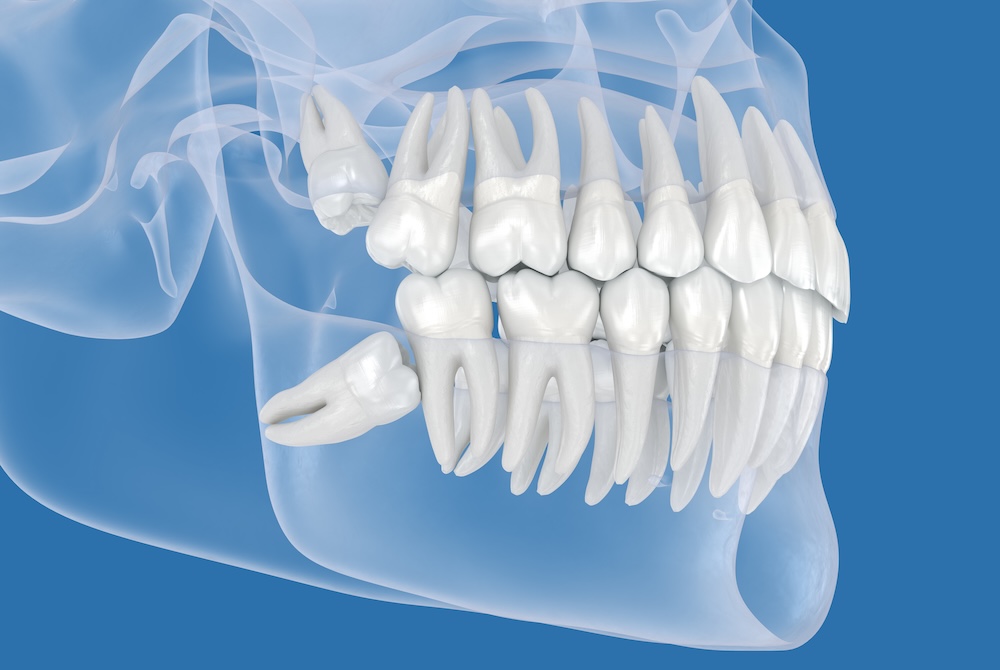
Wisdom teeth are the last set of adult teeth to grow in. Also called "third molars," wisdom teeth are the last set of molars located at the very back of your mouth just behind your second molars. They typically emerge between the ages of 17 and 25, earning them the name "wisdom" teeth because they appear later in life when you're considered "wiser."
How Many Wisdom Teeth Do People Have?

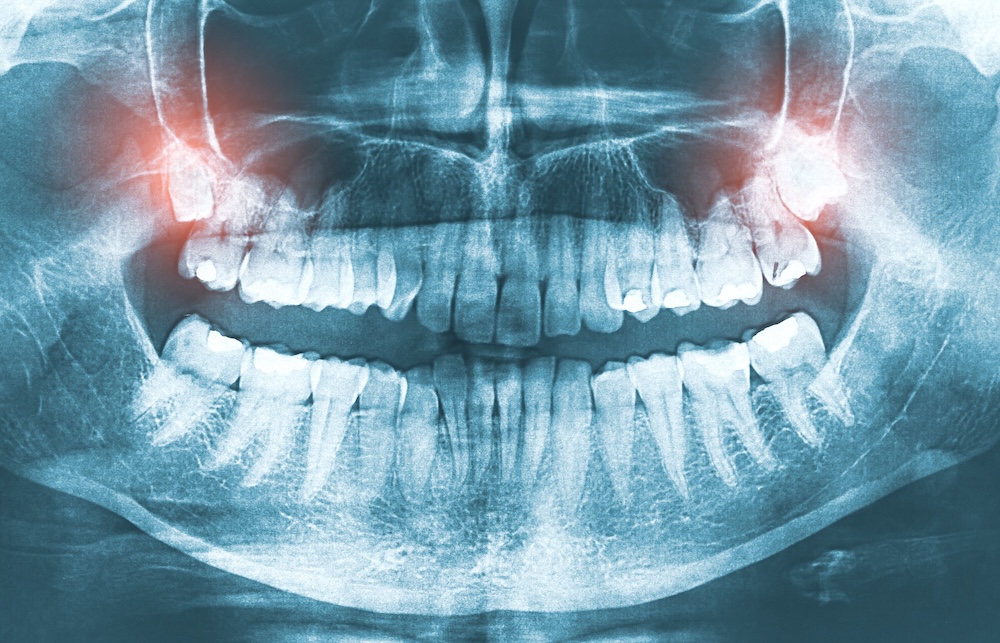
Most adults have four wisdom teeth—one in each quadrant of the mouth: Upper left, Upper Right, Lower Left, and Lower Right. Some people have fewer or even none, but four is the most typical number.
Why Do We Have Wisdom Teeth?
Anthropologists believe that wisdom teeth were essential for our ancestors who had larger jaws and consumed a diet of raw plants, hard nuts, and tough meats. These molars helped grind down such foods for proper digestion. However modern food preparation, like cooking to soften foods, and the use of eating utensils have eliminated our need for wisdom teeth. Over time, this shift in diet led to evolutionary changes, including the development of smaller jaws. This led to less space for wisdom teeth to grow in.
When Do Wisdom Teeth Come In?
Wisdom teeth usually erupt (grow in) between the ages of 17 and 25. But keep in mind, you might not see wisdom teeth when you look in your mouth, especially if they're fully impacted.
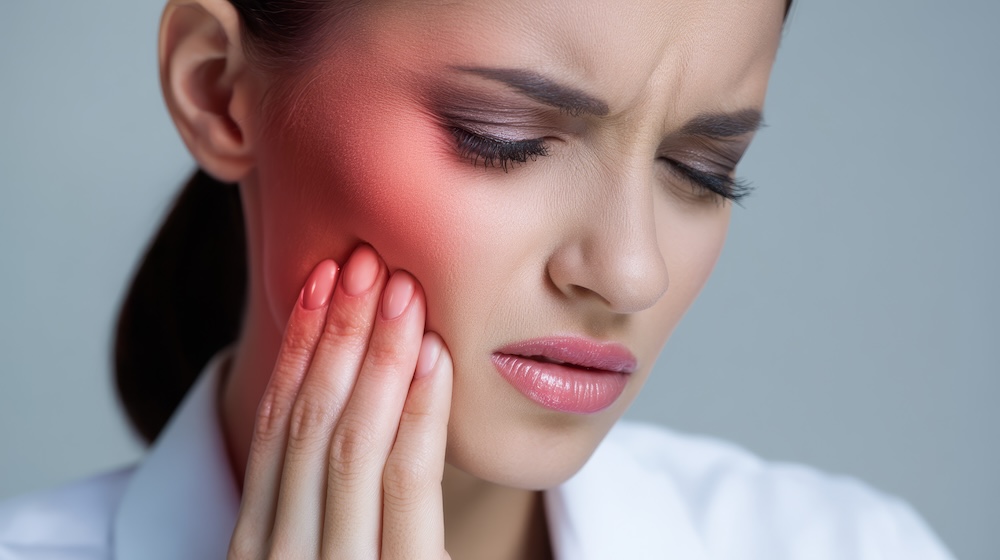
If you have a wisdom tooth coming in, there are a few telltale signs and symptoms. You may notice:
- Redness or swelling in your gums, behind your last molars.
- Jaw pain or tenderness.
- Facial pain, due to wisdom teeth putting pressure on nerves.
- White flecks behind your last molars. These spots are likely the tops of your new teeth erupting through your gums.
Common Issues with Wisdom Teeth

Not everyone experiences problems with their wisdom teeth, but some common issues include:
Impaction: When there's insufficient space in the jaw, wisdom teeth may become trapped beneath the gum line, leading to pain and potential infection.
Infection and Inflammation: Partially erupted wisdom teeth can create pockets that trap food and bacteria, increasing the risk of infections and gum disease.
Crowding: Wisdom teeth can push against neighboring teeth, potentially causing misalignment or undoing previous orthodontic work.
These issues can lead to noticeable symptoms including:
- Red or swollen gums
- Tender or bleeding gums
- Jaw pain
- Swelling around the jaw
- Bad breath
- An unpleasant taste in your mouth
- A hard time opening you mouth
- Damage to neighboring teeth
- Cysts
Should Wisdom Teeth Be Removed?

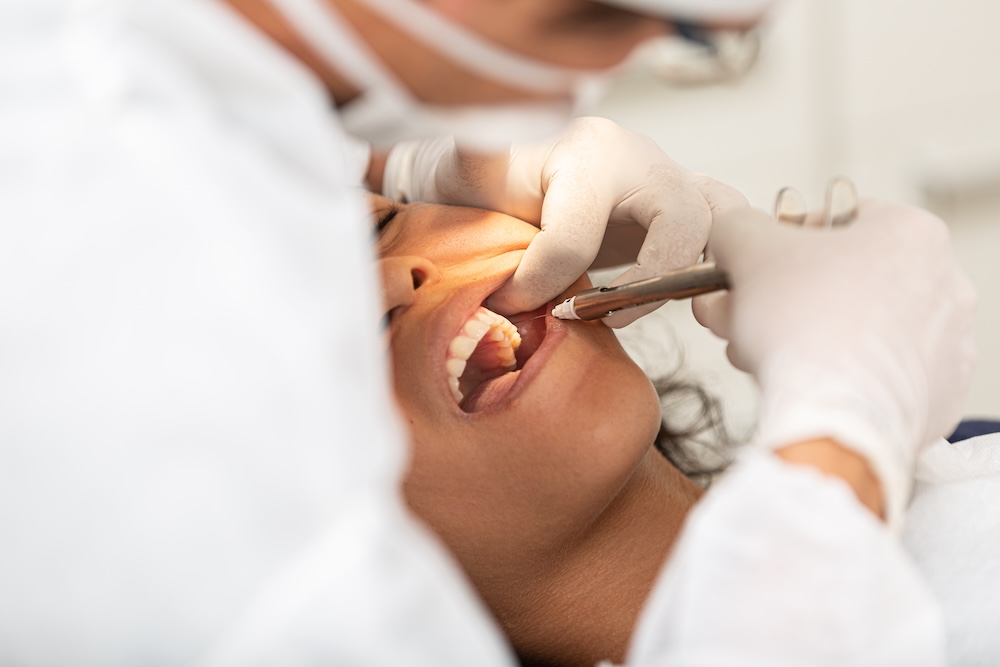
The decision to remove wisdom teeth varies among individuals. If they are properly aligned, fully erupted, and don't cause any problems, the wisdom teeth may remain in place without problems. However, a partial eruption of the wisdom teeth allows an opening for bacteria to enter around the tooth and cause an infection, which results in pain, swelling, jaw stiffness, and general illness. Partially erupted teeth are also more prone to tooth decay and gum disease, because their hard-to-reach location and awkward positioning makes brushing and flossing difficult. This can cause pain, infection, or lead to impaction or crowding, and removal may be recommended. It's essential to consult with your dentist who will evaluate all the information about your condition to determine the best course of action based on your specific situation.
If you’re looking for information on the cost of removing wisdom teeth, it varies widely, ranging anywhere from $75 to $200 per tooth for a simple extraction, and up to $600 or more per tooth for more complex procedures. The total cost can range from $300 to over $3,000 including additional costs for consultations, x-rays, and anesthesia. If the teeth are impacted, the procedure is more complex and more expensive. Insurance can reduce the out-of-pocket cost for wisdom teeth extraction, but it is important to check your policy’s coverage for oral surgery.
If you still have your wisdom teeth, your dentist will check them during routine exams to make sure they're healthy. In addition to seeing your dentist regularly, you should:
Brush your teeth twice a day for two minutes each time It can be difficult to reach the back surfaces of your wisdom teeth. Take your time and make sure you're cleaning all the hard-to-reach areas.
Floss your teeth once a day Use dental floss to clean between your teeth. For hard-to-reach areas, you can also use dental picks or interproximal brushes (tiny brushes that fit between your teeth).
Use an antibacterial mouthwash If it's alcohol-free, this helps reduce your risk of dry mouth.
Wisdom Teeth: Caring for Your Final Molars
Wisdom teeth are the last teeth to finally make their appearance—often erupting in the late teens or early twenties. However, they are not without their complications. Wisdom can become impacted (stuck) or only partially emerge. This can lead to oral discomfort and possible infections. A complete oral care routine at home can help you keep your wisdom teeth in check or support healing if they’re removed.
Here's your guide to caring for your smile post-wisdom teeth eruption or extraction:
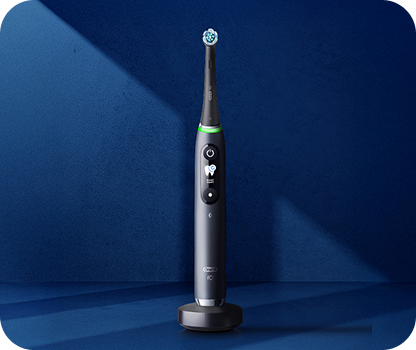
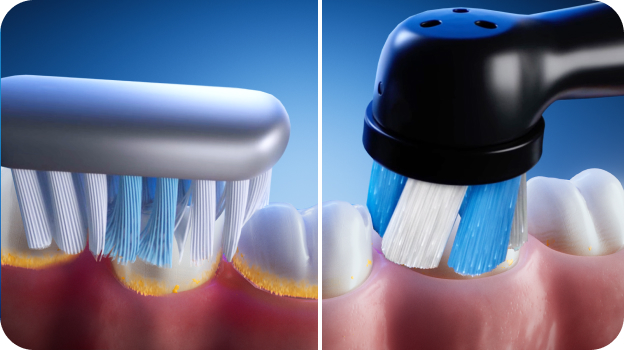
- Brush 2X/day with an Oral-B iO Electric Toothbrush: Partially erupted wisdom teeth create a flap, or opening, in the gums that may accumulate plaque buildup. An electric toothbrush like the Oral-B iO can reach hard-to-clean areas of the mouth more effectively than a manual toothbrush to remove 100% more plaque.
- Pair It with an Oral-B iO Gentle Care Replacement Brush Head: Wisdom teeth can lead to sensitivity. Soft bristled toothbrush heads like the Oral-B iO Gentle Care are designed to gently clean more sensitive areas for a more comfortable brushing experience.
- Use a Crest Fluoride Toothpaste: Brush with a toothpaste that's formulated with stannous fluoride, such as Crest Pro-Health Advanced Gum Protection, to reinforce enamel strength, neutralize plaque bacteria, and reduce your risk of tooth decay which is especially important for partially erupted teeth.
- Pair String Floss with an Oral-B Water Flosser: Pairing string floss with a device like the Oral-B Water Flosser Advanced can be especially helpful for flushing out food particles and plaque from the hard-to-reach areas and gum pockets around wisdom teeth.
- Rinse with a Crest Mouthwash: Swish away any leftover plaque or food particles with an alcohol-free, antibacterial mouthwash like Crest Pro-Health Multi-Protection Mouthwash to help keep your mouth fresh, clean, and fight plaque.
By maintaining a complete oral care routine that consists of an electric toothbrush, targeted flossing, antibacterial rinse, and fluoride toothpaste you can help reduce the oral health risks that come with wisdom teeth and support the healing process if extraction is necessary. If you have any jaw discomfort, gum tenderness or visible swelling consult your dental professional right away. Early assessment helps determine if wisdom tooth removal may be necessary to maintain a healthy, strong smile.
Summary
Removing wisdom teeth has become a rite of passage for many teens and young adults around the globe. But if your wisdom teeth erupt in alignment with your other teeth and don't cause any issues, you may not need to do anything. To learn more about your wisdom teeth — and whether you should remove them — talk to your dentist.
FAQs
-
Does everyone have wisdom teeth?
-
What do wisdom teeth look like?
-
Can wisdom teeth cause jaw pain?
-
Can wisdom teeth grow back?
Sources
- https://my.clevelandclinic.org/health/body/23223-wisdom-teeth
- https://www.mayoclinic.org/diseases-conditions/wisdom-teeth/symptoms-causes/syc-20373808
- https://www.mayoclinic.org/tests-procedures/wisdom-tooth-extraction/about/pac-20395268
- https://www.mouthhealthy.org/all-topics-a-z/wisdom-teeth
- https://www.webmd.com/oral-health/wisdom-teeth
- https://www.ada.org/sitecore/content/ADA-Organization/ADA/MouthHealthy/home/all-topics-a-z/wisdom-teeth
- https://www.betterhealth.vic.gov.au/health/conditionsandtreatments/wisdom-teeth
- https://www.mouthhealthy.org/all-topics-a-z/wisdom-teeth
- https://my.clevelandclinic.org/health/body/23223-wisdom-teeth
- https://www.dentalhealth.org/wisdom-teeth
- https://www.webmd.com/oral-health/wisdom-teeth
Biesbrock, A., et al. (2006). Assessment of treatment responses to dental flossing in twins. Journal of Periodontology, 77(8), 1386–1391. https://doi.org/10.1902/jop.2006.050399
Ferrari Peron, P., et al. (2025). A Randomized Crossover Trial Assessing Plaque Regrowth Dynamics in Adults With Use of an Oscillating-Rotating Electric Toothbrush Versus a Manual Toothbrush Measured by Digital Plaque Image Analysis. Clinical and Experimental Dental Research, 11(3), e70158. https://doi.org/10.1002/cre2.70158
Grender, J., et al. (2022). A 12-Week Randomized Controlled Trial Comparing a Novel Electric Toothbrush With an Extra Gentle Brush Head to a Manual Toothbrush for Plaque and Gingivitis Reduction. Compendium of Continuing Education in Dentistry (Jamesburg, N.J. : 1995), 43(3), f20–f29.
Kiesow, A., et al (2024). High-Resolution Characterization of Enamel Remineralization Using Time-of-Flight Secondary Ion Mass Spectrometry and Electron Microscopy. Caries Research, 58(4), 407–420. https://doi.org/10.1159/000535979
Table of Contents
- What Are Wisdom Teeth?
- How Many Wisdom Teeth Do People Have?
- Why Do We Have Wisdom Teeth?
- When Do Wisdom Teeth Come In?
- Common Issues with Wisdom Teeth
- Should Wisdom Teeth Be Removed?
- Wisdom Teeth: Caring for Your Final Molars
-
- FAQs
- Sources

This blog has been reviewed and approved by Dr Robert Lee, a dental professional of 35 years
LEARN MORE >
Sign Up
for oral care tips, expert advise, and exclusive offers.
Sign Up
for oral care tips, expert advise, and exclusive offers.