Gingivitis Causes
Plaque
The root cause of gingivitis is plaque buildup on your teeth and around your gumline.
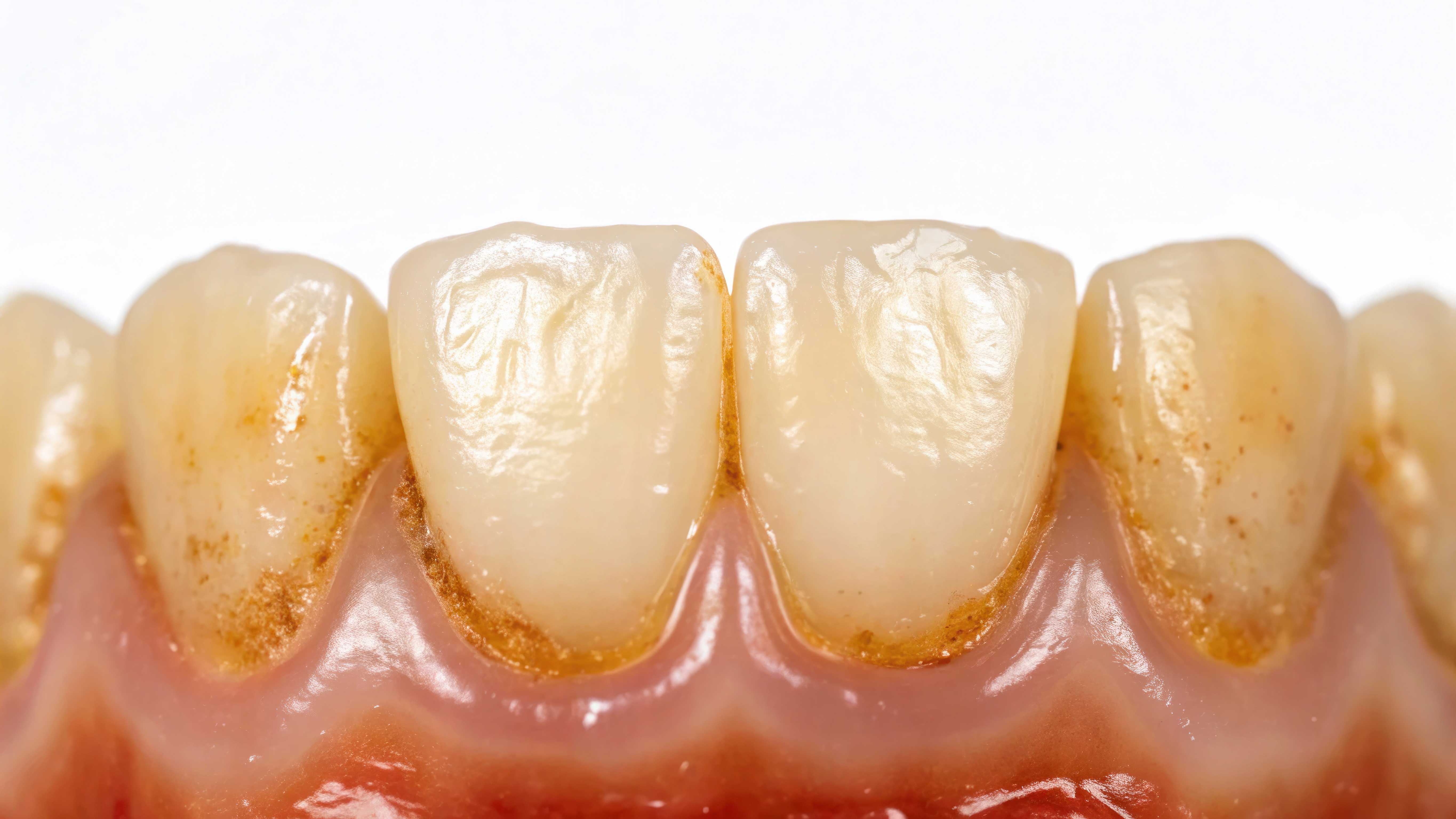
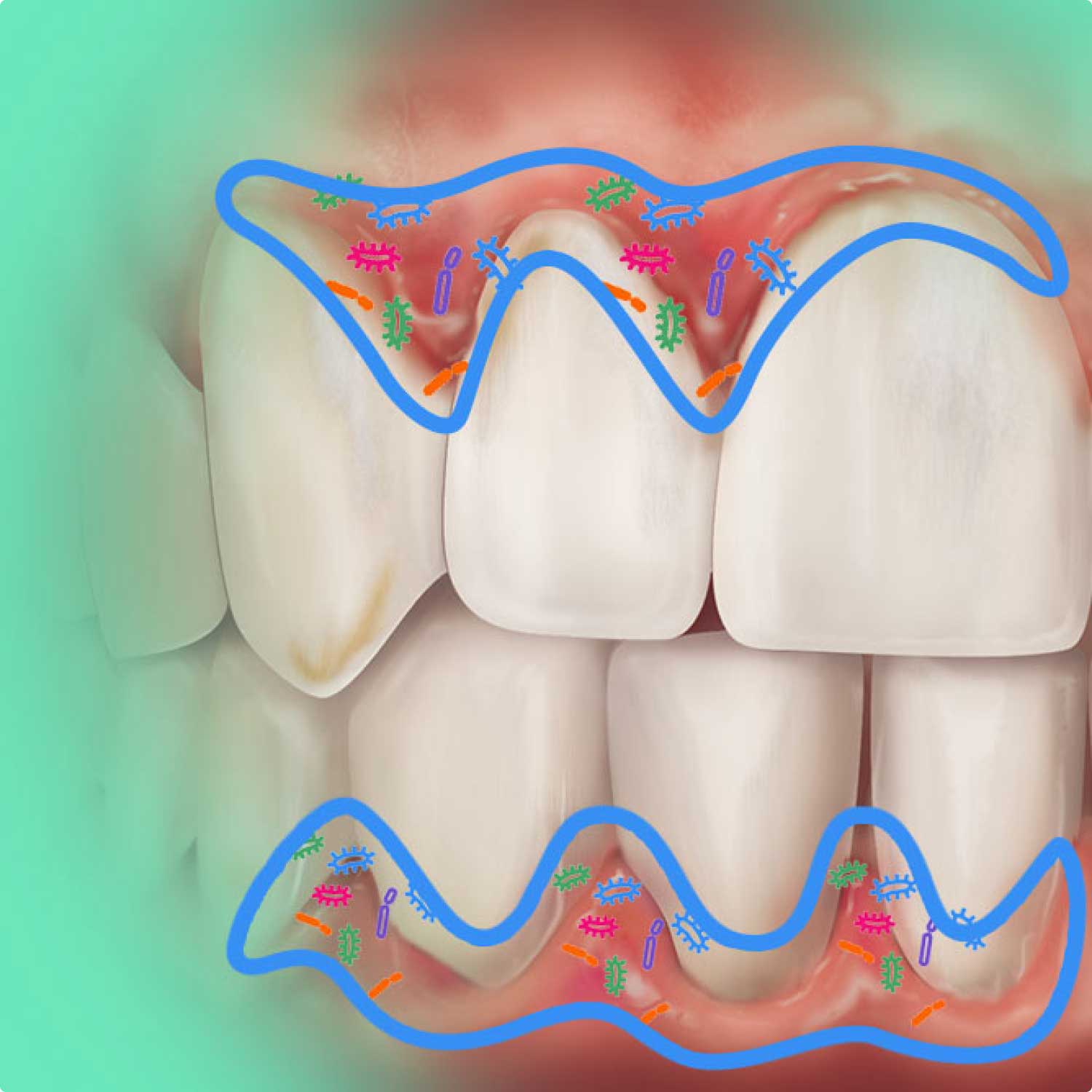
Plaque is a sticky, colorless (or pale yellow) biofilm that can form on your teeth within hours. The bacteria in plaque release toxins that trigger an inflammatory response in your gums. Separately, these bacteria also produce acids that can break down tooth enamel and lead to cavities.
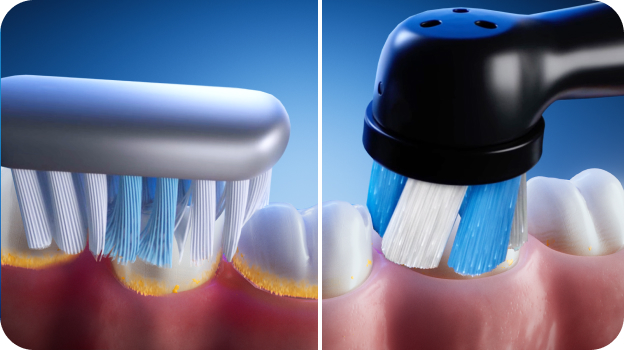
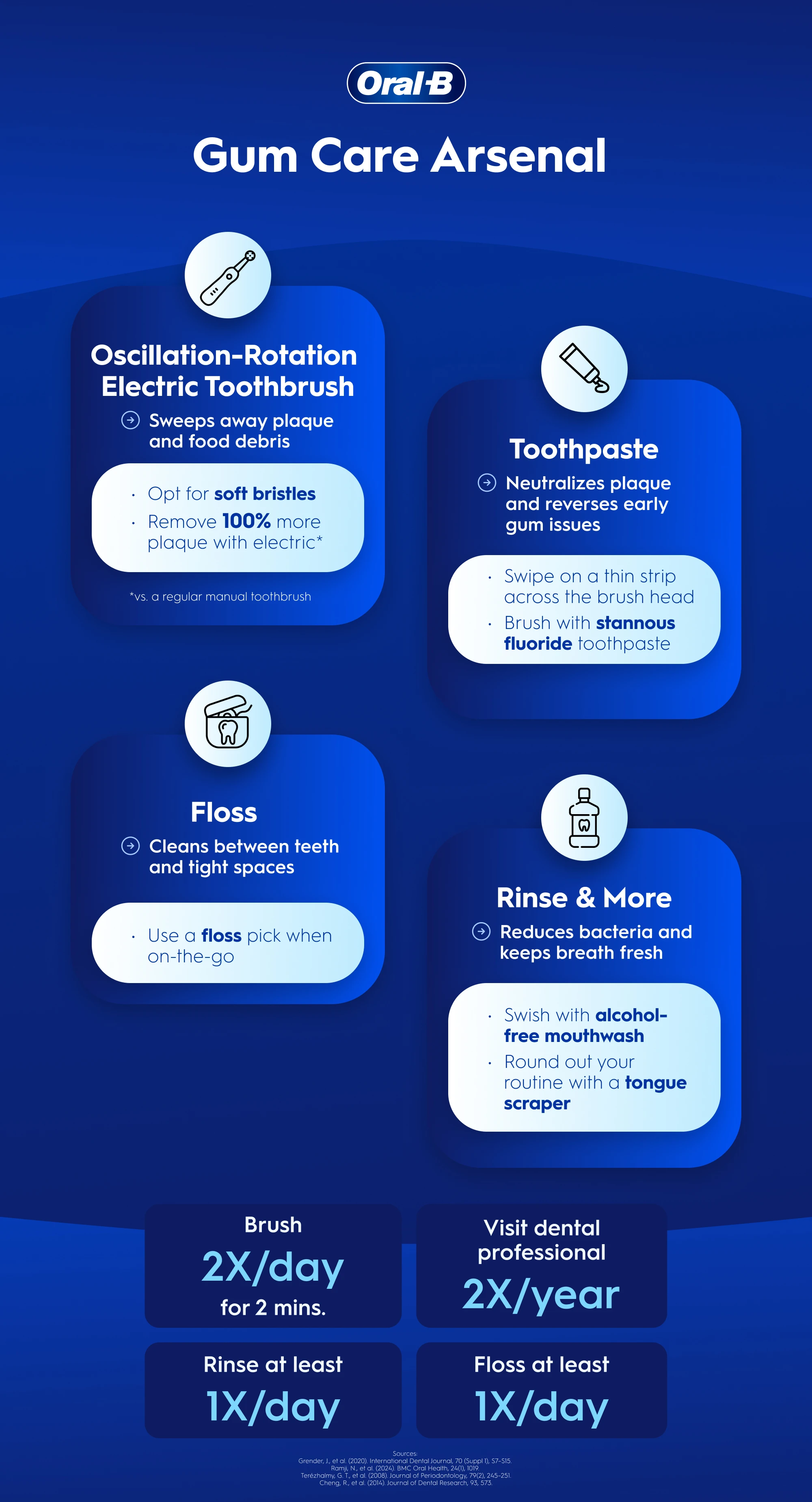
If it's not removed, plaque can harden and form a more permanent substance known as tartar. Tartar can only be removed by a dental professional. Plaque, on the other hand, can be removed at home by brushing, flossing, and rinsing with an antibacterial mouthwash.
Gingivitis is highly preventable if you maintain a good (and consistent) oral hygiene routine.
Poor Oral Hygiene
Since your oral hygiene routine plays such a major role in preventing gingivitis, the things you do (or don't do) to keep your mouth and teeth clean can cause gingivitis.
If you have poor oral hygiene, plaque will continue to build up on your teeth and eventually develop into gingivitis, periodontitis, and more serious issues.
Smoking
Smoking can cause a lot of damage to your mouth, gums, and teeth. It hinders your body's ability to fight infection, reduces blood flow to your gums, prevents tissue repair, and dries out your mouth.
Basically, smoking hinders many of your body's defenses against gingivitis and makes it much harder for your body to control plaque buildup on your teeth and gums.
Poor Nutrition
Poor nutrition is another common cause of gingivitis. Without the right vitamins and minerals in your diet, your body can't control the plaque buildup that starts the gingivitis ball rolling.
The sugary, starchy foods and beverages we all love serve as an energy source for plaque bacteria and give it a sticky place to gather.
Thankfully, there are some simple ways to create a healthy diet that limits plaque buildup.
Certain Medications
Some medications can increase the likelihood that you'll develop gingivitis by creating conditions in your mouth that lead to problems. For example, certain medications disrupt saliva production and prevent your body from naturally removing plaque from your teeth.
If you think your medication(s) might be contributing to your gingivitis, talk to your doctor about trying something different.
Hormonal Changes
Hormonal changes can increase the risk of gingivitis.
Both males and females are susceptible to these changes, but females are more likely to experience this issue since they can go through three major hormonal shifts in their lives (puberty, pregnancy, and menopause).