



















- Calcium for Teeth
- Vitamin C for Gums
- Recommended Vitamin C and Calcium Dosages
- Follow a Complete Oral Hygiene Routine
- Related Articles
- FAQs

Vitamin C, Calcium, and Oral Health
10 minute read
Last updated 05/2025
Share

Eating a variety of nutritious food is good for your overall health, including your oral health. Some vitamins in particular have demonstrated benefits to building healthy teeth and gums, namely calcium and vitamin C, so be sure to include foods rich in these nutrients in your diet.
Calcium for Teeth
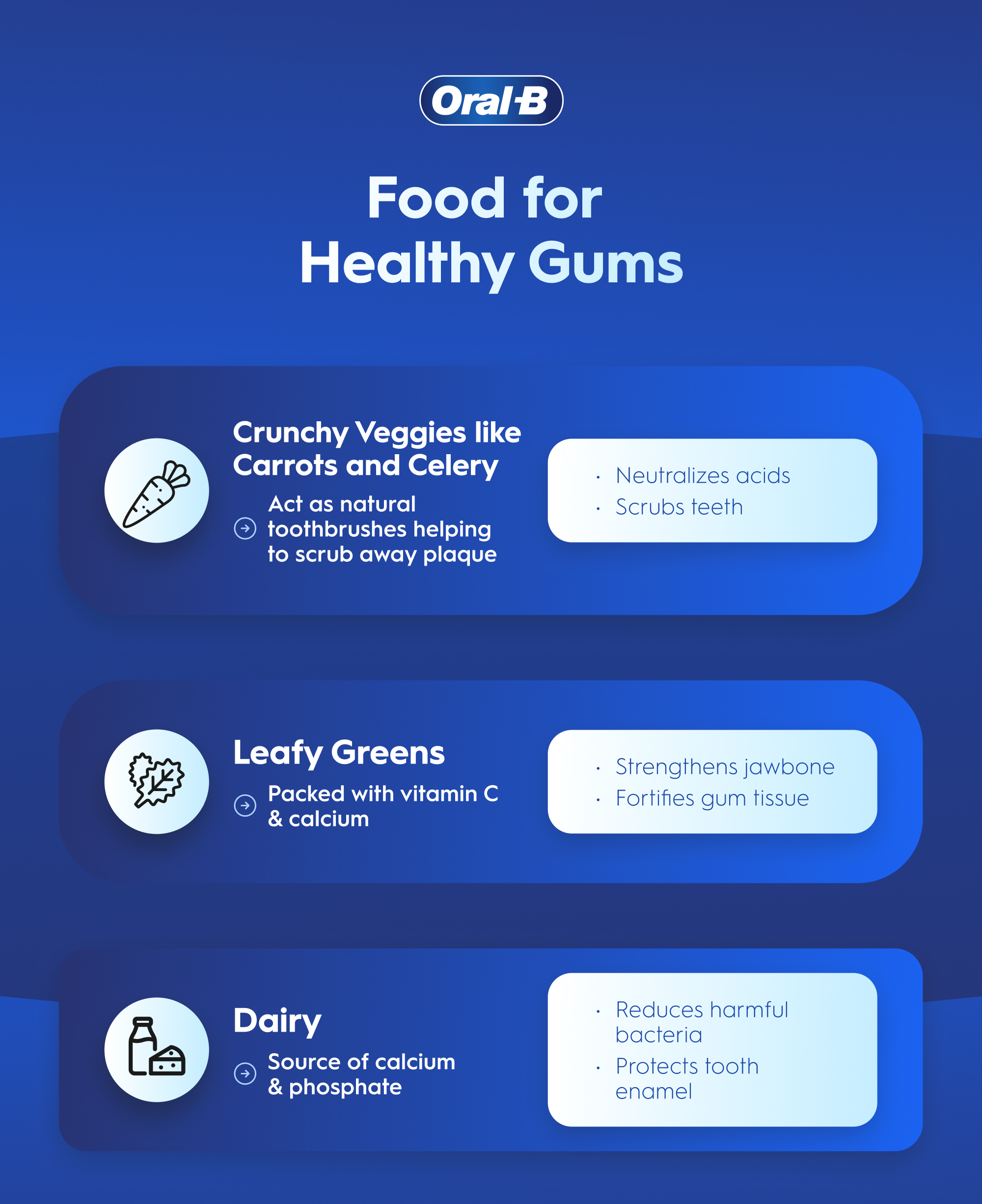
Calcium has been shown to help build strong teeth, and vitamin C is a powerful antioxidant that also plays an important role in collagen synthesis, by which it helps you develop and maintain healthy gums. Dairy products, including milk, yogurt and cheese are good sources of calcium. Also, try switching to low-sugar or sugar-free varieties of yogurt, since sugar (and bacteria) can promote tooth decay.
Vitamin C for Gums
Many fruits and vegetables including berries, oranges and cantaloupe, as well as green vegetables including broccoli and spinach are excellent sources of vitamin C. Of course, in addition to eating right, it’s important to follow a consistent dental care routine of twice-daily tooth brushing and daily flossing to promote oral health. And be sure to see your dental professional regularly and talk to them if you have questions about how your diet might affect your oral health.
If you suffer from bleeding gums and your dentist rules out poor dental hygiene, reassess your diet. Be sure to consume plenty of foods rich in vitamin C. They aren’t hard to find. Oranges, carrots, sweet potatoes, and red peppers are especially high in vitamin C. Try to get your vitamin C from actual fruits and vegetables, instead of fruit and vegetable juices. Besides being high in sugar, most fruit juices are quite acidic, and they can promote erosion of the tooth enamel. Fruit juices are fine in small amounts, but drink them with meals, or use a straw if possible to minimize the juice’s contact with your teeth.
Vitamin C is water-soluble, which means that the body doesn’t store it long-term and you need to consume it every day. Multivitamins or vitamin C supplements can help you get enough, especially if you are ill or following a restricted diet and you have problems eating a variety of fruits and vegetables. Many multivitamin formulas contain vitamin C, or you can find it as an individual supplement.
Recommended Vitamin C and Calcium Dosages
The Institute of Medicine recommends 90 milligrams per day for men older than 18 years and 75 milligrams per day for women older than 18 years. Many physicians recommend 1,200 to 1,500 milligrams of calcium daily for most adults, so you may want to consider a calcium supplement, especially if dairy products aren’t a regular part of your diet.
Follow a Complete Oral Hygiene Routine
When it comes to preventing tooth decay and gum issues, a thorough oral care is best:
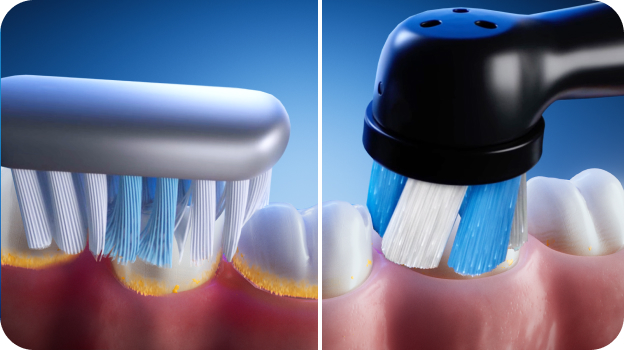
- Brush twice a day with an electric toothbrush like the Oral-B iO9 which removes up to 100% more plaque than a regular manual.
- Floss at least once a day with regular string floss. Pair it with an irrigator like the Oral-B Water Flosser Advanced to reduce even more plaque buildup for healthier gums*.
- Visit your dentist every six months for professional cleanings and checkups.
From Oral-B, the #1 dentist-recommended toothbrush, worldwide.
*Helps reduce plaque bacteria and inflammatory components associated with gingivitis, when used as an adjunct to brushing, flossing and regular professional care.
Shop this article
1040|689
Science worth a scroll.

What is Periodontitis? Treatments, Signs, And Symptoms
Periodontitis is a severe gum infection (also known as gum disease or periodontal disease) that causes irreversible damage and loss of the soft tissue and bone that support your teeth.
Read more
Using a Rechargeable Electric Toothbrush
How you brush is just as important as what you brush with to get your perfect clean. Oral-B electric toothbrushes, like the Oral-B iO2 feature pressure sensors that help keep you from overbrushing as well as a dentist-inspired round brush head that perfectly adapts to each of your unique teeth.
Read more
How to Brush Your Teeth With a Manual Toothbrush
Learning how to brush your teeth properly is the first step to maintaining healthy teeth and gums by removing food particles, plaque, and tartar from the surfaces of your teeth. Plus, it helps minimize the risk of tooth decay and gum disease, the major causes of tooth loss.
Read moreFAQs
How does Vitamin C deficiency affect the gums?
Vitamin C is essential for collagen formation, which helps maintain healthy gum tissue. Severe deficiency can cause scurvy, which may include swollen or bleeding gums and poor wound healing.
Why is calcium important for teeth beyond childhood?
Calcium supports the mineral structure of teeth and the tissues that help keep them healthy. A balanced diet that supports overall nutrition is also linked with better oral health.
Can supplements replace dietary sources for oral health?
Supplements can help people who have restricted diets or difficulty meeting nutrient needs, but getting nutrients from a balanced diet is generally preferred. If you’re considering supplements, a healthcare professional can help determine what’s appropriate for you.
What foods are best for strengthening tooth enamel?
Calcium-rich foods (like dairy and fortified alternatives) support overall tooth mineral health. For gums, vitamin C–rich fruits and vegetables can support healthy tissues—but frequent acidic foods and drinks can contribute to enamel wear, so moderation matters.
Does a lack of vitamins cause bleeding gums?
Bleeding gums are commonly linked to gingivitis caused by plaque buildup, but nutritional factors—especially low vitamin C—can also contribute in some people. If bleeding persists, a dental professional can help identify the cause and recommend next steps.
