









Contents
- Braces Tips and Tricks
- Oral Care Routine for Braces
- Related Articles
- FAQs

Other Tips & Tricks for Living with Braces
10 minute read
Last updated 08/26
Share

Braces Tips and Tricks
- Prepare a kit with a toothbrush, toothpaste, and floss (to use between meals), wax, and lip balm (for dry lips). Carry this with you at all times.
- If you have hooks, wear your rubber bands all of the time (except for when you're brushing your teeth). This may hurt sometimes, but it will stop the hooks from digging into or getting caught on your cheeks, as well as make sure that your treatment moves as quickly as possible.
- If one of your wires or brackets breaks, don't panic. Don't try to bend the wire or pull it out, which could make things worse. Just cover any sharp edges with wax or wet cotton, and call your orthodontist as soon as possible.
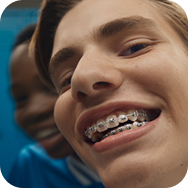
- Even if you're self-conscious about your braces, don't be afraid to smile – people actually notice your mouth more when it's clear that you're trying to hide something. Plus, braces are very common, so there's no reason to be ashamed of them.
Oral Care Routine for Braces
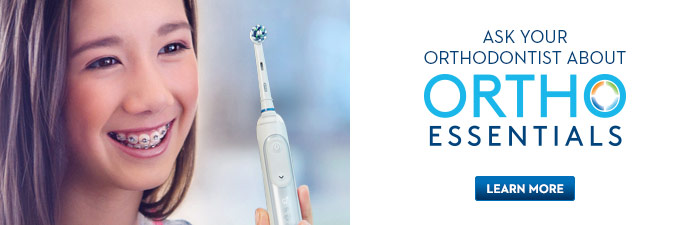
When wearing braces, it’s especially important to maintain a complete oral care regiment to ensure your teeth and gums stay healthy:
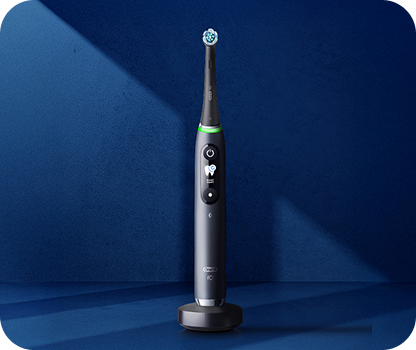
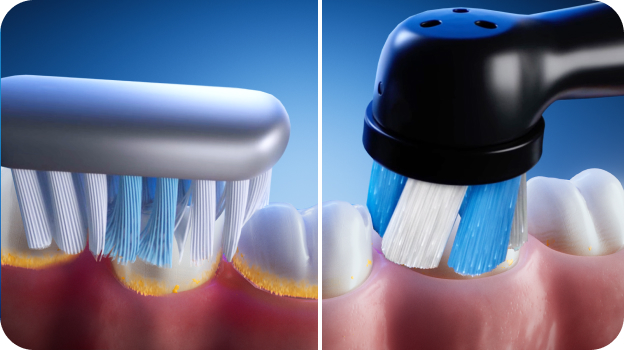
- Brush teeth at least twice a day with the Oral-B iO Series 9 Rechargeable Toothbrush . Its dentist-inspired round brush head expertly cleans with micro-vibrations to remove more plaque than a manual brush.
- Pair the Oral-B iO with a toothpaste containing Stannous Fluoride like Crest Gum Detoxify , its activated foam formula removes plaque bacteria in hard-to-reach areas to better reverse gingivitis.
- Floss at least once a day to remove more plaque and debris from tight spaces. The Oral-B Pro-Health Advanced Floss slides up to 50% more easily in tight spaces than other types of floss. To further improve your gum health, supplement your regular flossing routine with the Oral-B Water Flosser Advanced, its unique Oxyjet Technology helps eliminate more plaque bacteria* for healthier gums.
- Swish with a rinse containing Cetylpyridinium Chloride (CPC), like Crest Pro-Health Multi-Protection Mouthwash which helps protect your mouth from gingivitis and plaque with 0% alcohol.
* Helps reduce plaque bacteria and inflammatory components associated with gingivitis, when used as an adjunct to brushing, flossing and regular professional care.
Shop this article
934 | 966
Science worth a scroll.
How to Brush Your Teeth and Floss With Braces
Brushing your teeth with braces may seem like a daunting task, but with the right techniques and tools, it becomes a manageable part of your daily routine....
Read more
How to Clean Your Teeth with Braces
Even if you wear braces, you can, and should, brush and floss your teeth consistently. Maintain a good oral care routine of twice-daily tooth brushing...
Read more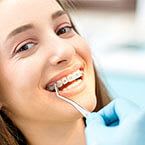
Taking Care of Your Braces
You should be prepared for the fact that taking care of your teeth will be more difficult once you get braces. Braces have countless tiny spaces to trap food...
Read more
Questions About Braces
Unfortunately, there aren't many alternatives to braces, but there are alternatives to the metal braces that many people immediately picture. You can get clear...
Read more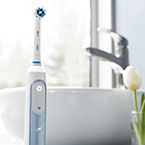
What Is the Best Electric Toothbrush for Braces?
When you wear braces, plaque has more places to accumulate and build up. Learn how our electric toothbrushes more effectively clean around braces to remove plaque and help prevent gum disease...
Read moreFAQs
What can I use instead of orthodontic wax on my braces?
Some alternatives to orthodontic wax include orthodontic relief gel or a silicone-based orthodontic protector that’s designed for oral use. However, it's important to consult with your orthodontist before trying any substitute to ensure it’s safe and appropriate for your specific needs.
How can I make the first week of braces easier?
The first week of braces may feel a little uncomfortable at first, but there are simple ways to make it easier. Try soft foods like yogurt, mashed potatoes, and smoothies while your mouth adjusts. If needed, over-the-counter pain relief and orthodontic wax can help with soreness or rubbing spots. Most people start to feel better after a few days as they get used to their braces.
How do you get food out of braces without a toothbrush?
If you don't have a toothbrush handy, start by rinsing your mouth thoroughly with water to help loosen and wash away food particles. You can also use a water flosser or dental floss (preferably with a floss threader for braces) to reach between brackets and wires.
What should I carry in my braces travel kit?
A braces travel kit can help you clean your teeth with braces when you are away from home. Consider packing a toothbrush, fluoride toothpaste, floss picks or dental floss with a threader, and orthodontic wax for rubbing spots. You may also want a small mirror, a travel-size mouth rinse if recommended by your dental professional, and any over-the-counter pain reliever you normally use. If you use an electric toothbrush, bring your charger or travel case so it is easy to keep up your routine.
How can I floss quickly with braces?
Flossing with braces takes extra time because you need to clean around more surfaces. A floss threader, interdental brush, or water flosser can make the process easier, but it is still important to clean carefully between teeth and around brackets and wires.
