How Long Does It Take to Get Braces Put On? What To Expect

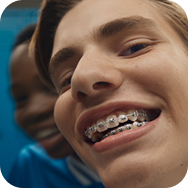
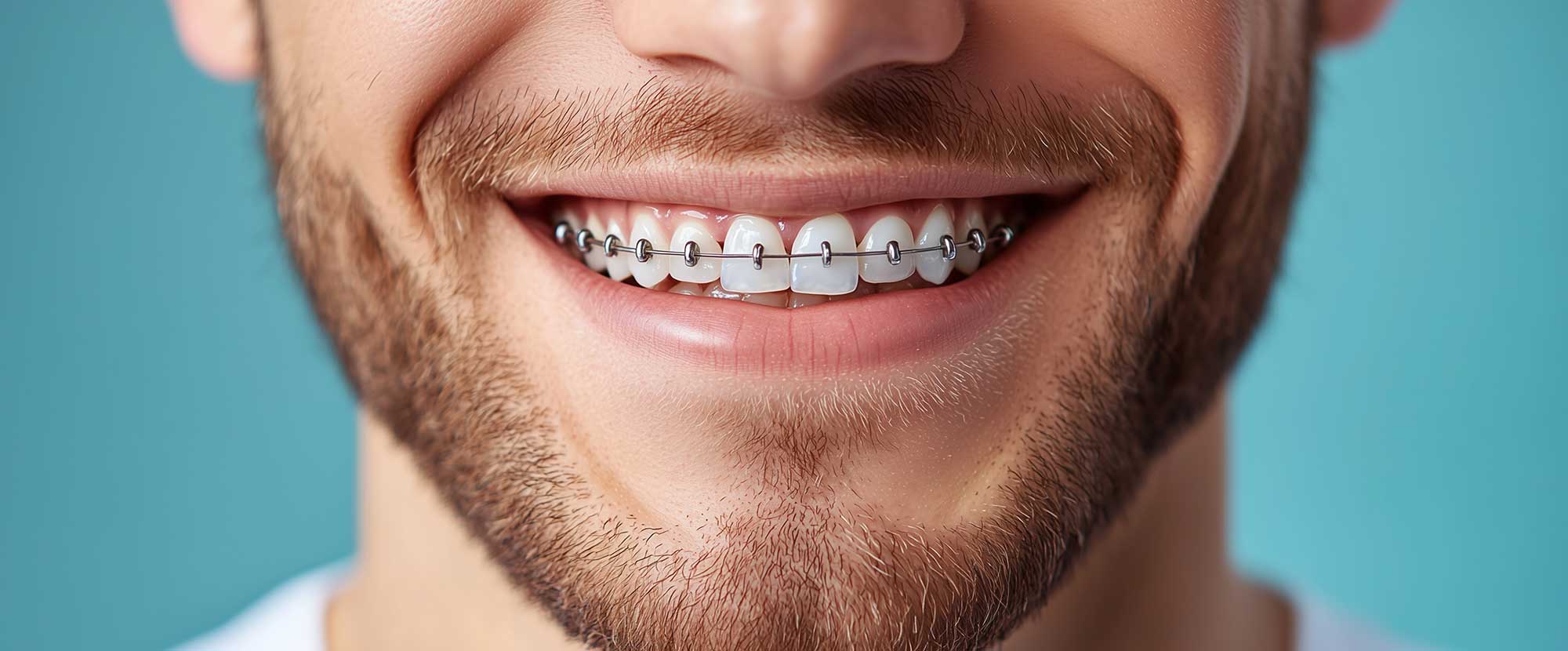
Close up of smiling man showing his braces
Last Updated : December 18, 2025

Summary

Getting braces can be exciting. But let’s be honest, it can be nerve-wracking too. Whether you're a teen, an adult, or you’re getting them for your child, knowing what to expect helps you feel prepared. From the first meeting with your orthodontist to the moment the brackets go on, we'll walk you through it all. We’re not going to use fancy dental jargon here, just straightforward info backed by credible sources.

Key Takeaways

  • Consultation takes 60-90 minutes, including exam, X-rays and/or digital scans, and discussion about the treatment plan.
  • Prepping your teeth is an important step, such as cleaning and X-rays. Sometimes teeth spacers are needed.
  • Braces placement is a fast process involving 1-2 hours in the chair.
  • Getting braces on doesn’t hurt, but mild discomfort afterwards is normal and can go on for a few days.
  • It’s easy to manage discomfort by eating soft foods and using over-the-counter pain medication.
  • Follow-ups every 4-8 weeks are part of the process. Adjustments take 15-30 minutes.
  • Treatment goes on for 1-3 years, with the average treatment time being about 18-24 months.

Table of Contents

drlee-image

This blog has been reviewed and approved by Dr Robert Lee, a dental professional of 35 years

LEARN MORE >

Key Takeaways

The First Visit aka Consultation

The path to braces starts here. Your first one-on-one consultation will last about 60-90 minutes and typically includes the following steps.

✔ Assessment: The orthodontist examines your teeth, bite, and jaw alignment

✔ X-rays and scans: Help create a clear picture of your mouth

✔ Discussion: Talk about your smile goals, type of braces, estimated timeline, and cost

✔ Pre-work: If needed, this gets your mouth ready and can include cleaning, cavity filling, gum treatment

✔ Spacers: can sometimes be inserted between molars to make room for the bands

The Big Day: Getting Braces On

The actual braces appointment typically takes 1 to 2 hours and is pretty painless.

  1. Teeth cleaning and drying
    A clean, dry surface ensures that the adhesive bonds well

  2. Applying adhesive
    Next, a strong adhesive is applied. It might taste weird, but it’s harmless.

  3. Attaching brackets
    Brackets, typically either metal or ceramic, are then attached to the teeth

  4. Sliding in the archwires
    These are the main component that actually move your teeth into their proper position

  5. Adding rubber bands or clips
    These hold the wire in place and come in lots of fun colors to choose from

The Adjustment Period

Once the braces are on, your mouth needs a little time to adjust.

>Day 1-3: Mild soreness and pressure as your teeth begin shifting

>Days 4-7: Cheeks/lips may feel irritated where the hardware rubs.

Most people feel much more comfortable by day 7. The good news is there are ways to ease discomfort in the interim.

  • Soft foods are great for sensitive teeth, including yogurt, soup, mashed potatoes, smoothies, and scrambled eggs
  • Over-the-counter pain relievers can help during this period, such as Ibuprofen and Acetaminophen
  • Sooth sore gums with cold drinks, popsicles, and rinsing with salted water.

Eating and Daily Life with Braces

Braces might require some adjustments, especially at the beginning. So, choose soft, easy-to-chew foods for the first week or two. Avoid hard, crunchy, sticky foods such as nuts, popcorn, caramel, and crunchy apples. Don't bite into sandwiches directly. Use a fork and knife instead. Lip balm can help, especially if your lips feel stretched.

Follow-Up Visits to Keep on Track

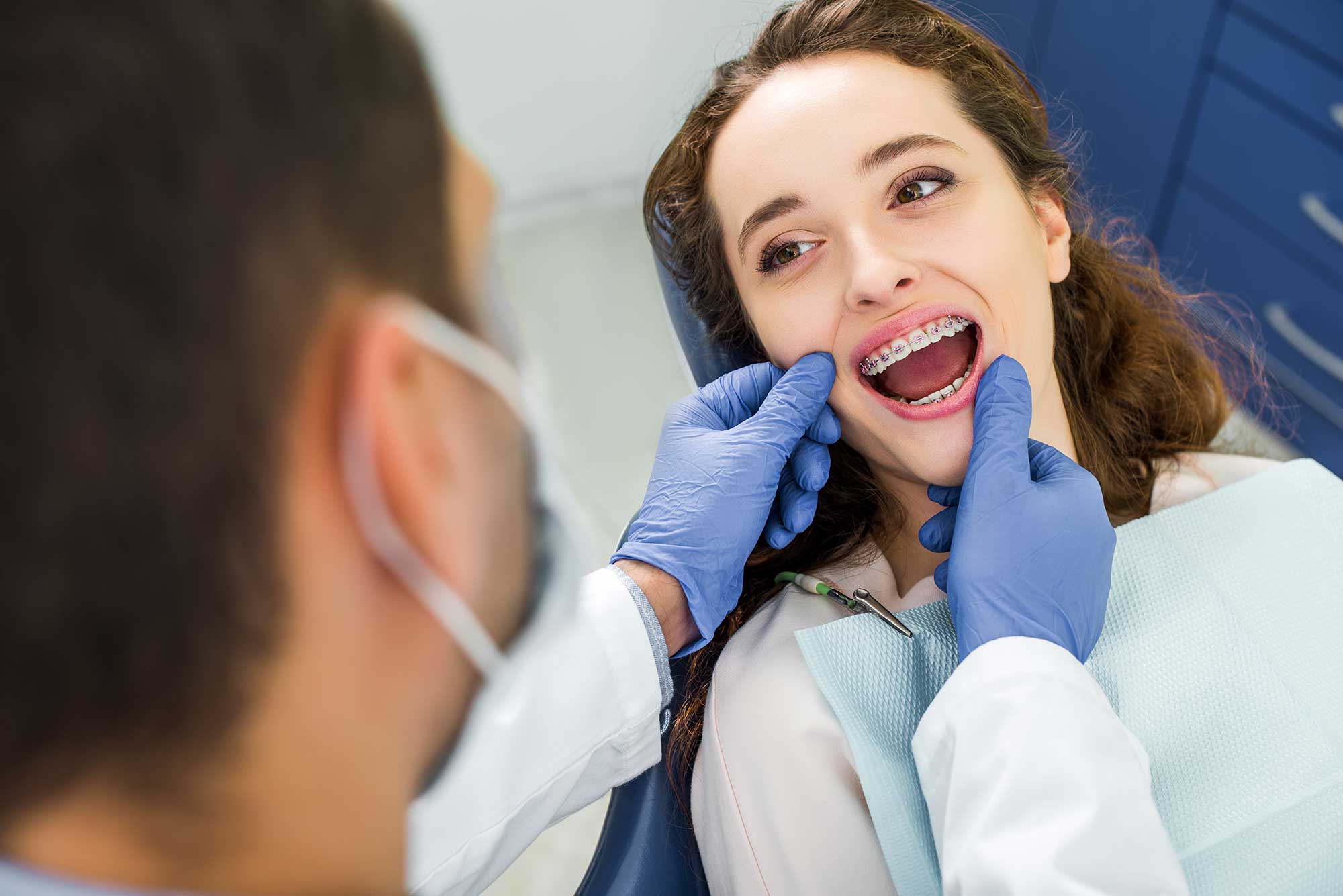
Woman in a chair having her braces examined by a dentist

After your braces are on, regular check-ups and adjustments are important.

  • Once every 4-8 weeks
    Your orthodontist will check progress and tighten or change the wires

  • Expect mild soreness after each adjustment
    Fortunately, it’s nowhere near as intense as that first week

  • Quick in-between visits to fix
    These can fix mishaps like a loose bracket or a wire poking out

How Long Will Treatment Take?

This varies depending on how much your teeth need to move.

  • Mild cases tend to take 6-12 months
  • Moderate alignment is usually 12-24 months
  • Severe issues can take 24-36 months or longer for complex cases
  • Most cases are typically 18-24 months

After Braces: The Retainer Phase

Once your braces come off, there’s one more step: retainers. The retainer phase is important. Wearing retainers as instructed protects all the progress you worked for and keeps the teeth from reverting to their old positions. There are two types of retainers.

Permanent retainers are glued behind your teeth to help maintain alignment.

Removable retainers are often worn full-time at first. Then after a while, they are worn mainly at night.

Summary

Getting braces is a clear, very manageable, step-by-step process. First, a thorough consultation lays the groundwork for exams, X-rays, and treatment planning. Once your teeth are clean and any outstanding issues are resolved, your brackets go on, which usually takes 1 to 2 hours. After a few days of slight soreness, which is usually managed easily with soft foods and over-the-counter pain relievers, you should get used to your braces quickly.

From then on, regular check-ups every 4–8 weeks for adjustments and monitoring will keep everything on track. Most people wear braces for 18–24 months, sometimes up to 36 months for more complex cases.

Once your braces come off, wearing retainers ensures your straight smile stays put. Retainers are often worn nightly for life, or as directed by your orthodontist. With good care and consistent appointments, your journey to a healthier, more confident smile is well within reach.

Braces: Supporting Your Orthodontic Journey and Oral Health

Braces help straighten your smile and correct misalignment, but brackets and wires can also create new areas for plaque to hide—making your smile more vulnerable to staining, tooth decay, and gum disease. A thorough oral care routine can help keep your mouth healthy to ensure you get the most out of your treatment while preventing oral health issues down the road.

When wearing braces be sure to:

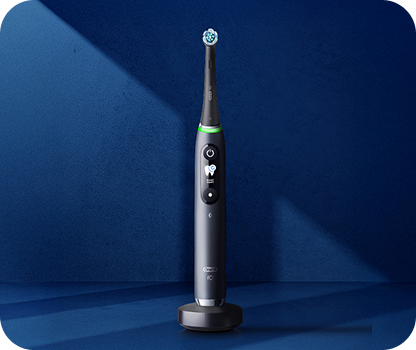
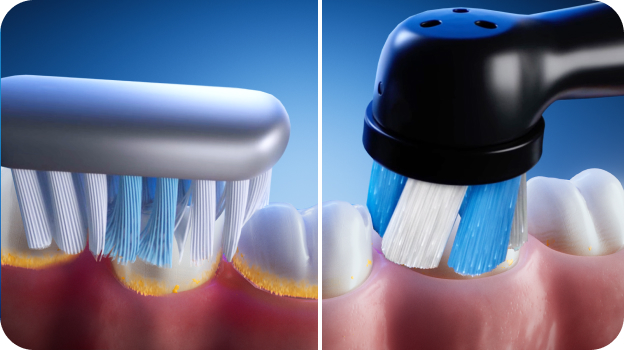
  • Brush 2X/day with an Oral-B iO Electric Toothbrush: It can be tough to clean around brackets and wires, allowing more opportunities for food particles and plaque to accumulate in. Brush twice daily with an electric toothbrush to remove 100% more plaque bacteria than you would with a regular manual for healthier teeth and gums.
  • Pair It with an Oral-B iO Gentle Care Replacement Brush Head: Braces can leave your smile feeling sore and sensitive. iO Gentle Care Brush Heads feature high-density dentist-inspired extra soft bristles in an optimized pattern to better adapt to teeth and gums while delivering a gentle clean.
  • Protect Your Smile with Crest Pro-Health Toothpaste: Brush twice daily with a Crest stannous fluoride toothpaste to help prevent cavities, reverse early gum disease, and keep your smile strong and bright.
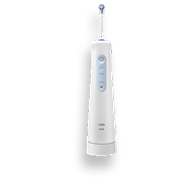
  • Amp Up Your Flossing Routine with Oral-B Water Flosser Advanced: When paired with traditional string floss, a water flosser can help remove even more food debris and plaque from hard-to-reach areas to help boost your gum care. Oral-B Waterflosser Advanced features customizable intensities so you can more easily wash away leftover particles from brackets and wires with the targeted stream for precision cleaning.
  • Rinse with Crest Pro-Health Mouthwash: Round out your brushing and flossing routine with an antibacterial mouthwash to rinse away leftover plaque and support gum health.
  • Maintain a Balanced Diet: Foods high in sugars can increase plaque buildup, especially when wearing braces. Opt for fruits, vegetables, and whole grains to help limit plaque bacteria and keep your smile healthy.
  • Visit Your Dental Professional Regularly: Keep up with regular orthodontic visits to keep braces properly adjusted. Additionally, it’s important to go in for professional cleanings and checkups at least twice a year to better monitor your oral health.

Following a complete oral care routine while wearing braces can help keep your teeth and gums healthy, so when those brackets and wires do come off, you can confidently reveal your newly straightened, strong, bright smile.

FAQs

  • How long does the process of getting braces put on take?
  • Does getting braces put on hurt?
  • What should I expect during my first braces appointment?
  • How can I prepare to get braces put on?

Sources


Biesbrock, A., et al. (2019). The effects of bioavailable gluconate chelated stannous fluoride dentifrice on gingival bleeding: Meta-analysis of eighteen randomized controlled trials. Journal of Clinical Periodontology, 46(12), 1205–1216. https://doi.org/10.1111/jcpe.13203

Grender, J., et al. (2022). A 12-Week Randomized Controlled Trial Comparing a Novel Electric Toothbrush With an Extra Gentle Brush Head to a Manual Toothbrush for Plaque and Gingivitis Reduction. Compendium of Continuing Education in Dentistry (Jamesburg, N.J. : 1995), 43(3), f20–f29.https://www.compendiumlive.com/2022/oscillating-rotating-toothbrush-technology-to-meet-individual-patient-needs/a-12-week-randomized-controlled-trial-comparing-a-novel-electric-toothbrush-with-an-extra-gentle-brush-head-to-a-manual-toothbrush-for-plaque-and-gingivitis-reduction/

Van Elslande D. (2022). Use of an Oscillating-Rotating Electric Toothbrush and Novel Brush Head to Increase Brushing Motivation and Reduce Plaque Among Orthodontic Patients. Compendium of continuing education in dentistry (Jamesburg, N.J. : 1995), 43(3), f14–f19. https://compendiumlive.com/2022/oscillating-rotating-toothbrush-technology-to-meet-individual-patient-needs/use-of-an-oscillating-rotating-electric-toothbrush-and-novel-brush-head-to-increase-brushing-motivation-and-reduce-plaque-among-orthodontic-patients/

Table of Contents

  • The First Visit aka Consultation
  • The Big Day: Getting Braces On
  • The Adjustment Period
  • Eating and Daily Life with Braces
  • Follow-Up Visits to Keep on Track
  • How Long Will Treatment Take?
  • After Braces: The Retainer Phase
  • Summary
  • Braces: Supporting Your Orthodontic Journey and Oral Health

  • FAQs
  • Sources
drlee-image

This blog has been reviewed and approved by Dr Robert Lee, a dental professional of 35 years

LEARN MORE >

Related Products

1311

Related Articles