Ceramic Braces vs. Metal - Which is Better?
Ceramic and metal braces both help straighten teeth in similar ways, yet their looks and costs are different. Talk to your orthodontist or dentist about which braces options to consider and be aware of the differences between them. Both differ in styles but one is not better than the other; they both provide similar functions but have different looks. Both types of braces require thorough cleaning and good oral hygiene care!
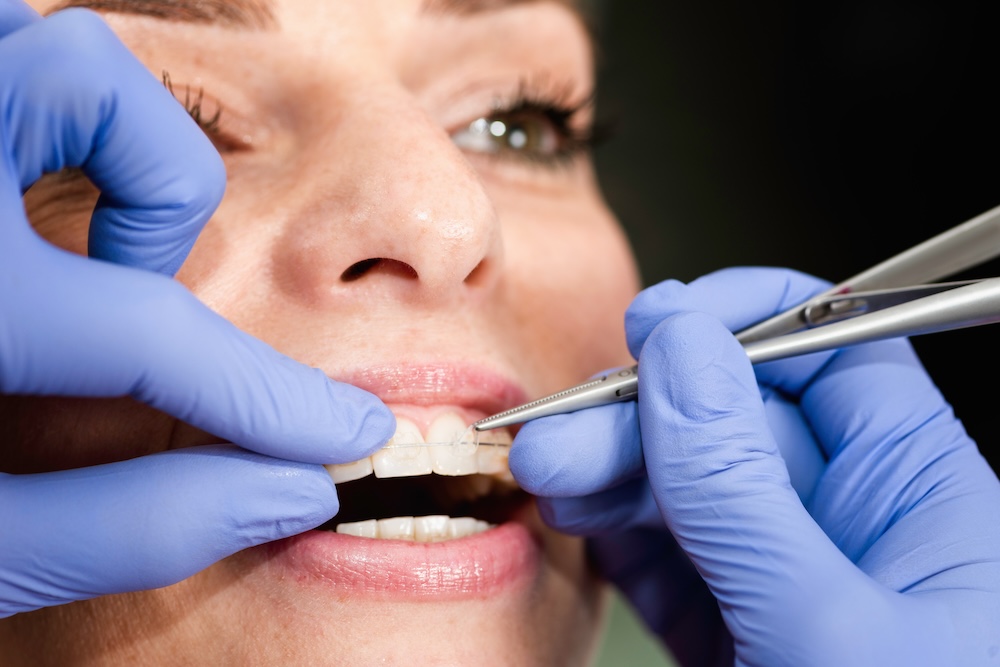
- Ceramic Braces: Blend in with your tooth color, with a whitish or clear appearance and are less noticeable. They are also more prone to chipping or fracturing than metal braces. Typically, it has a slightly higher cost as well.
- Metal Braces: Standard silver metal braces that your orthodontist or dentist can add colored bands for more flair. Sometimes it can be more effective in certain complex cases.
Check with your dentist or orthodontist whether ceramic braces or metal braces are best for you. Selecting your braces typically depends on your budget, your unique dental condition being treated and of course your personal preference.
Ceramic Braces with Color
Similar to metal braces, ceramic braces can be, decorated with colorful elastic bands in the color of your choice. Typically, ceramic braces are known for looking more natural or clear to closely resemble your natural teeth. The brackets are usually white and the wires can be silver, white or light colored to blend in with the brackets. Ask your orthodontist or dentist what is possible with ceramic braces and what they recommend if you want colors on them.
Ceramic Braces Price and Cost
Ceramic braces are usually more expensive compared to metal braces and may cost $1,000- $2,000+ more.
- Your dental office and dental insurance provider can give you more details about the cost and price of ceramic braces and how that compares to metal braces.
How to Keep Ceramic Braces Clean
Practicing good oral hygiene and brushing and flossing your teeth daily can help keep your ceramic braces clean. It's also best to brush your teeth and swish your mouth with water after every meal to help remove food particles from your teeth and braces. Use the tips below to clean your ceramic braces and maintain good oral health.
Ceramic Braces vs. Invisalign
Ceramic braces are different from Invisalign, though both can serve to help straighten teeth. Consult with your dentist or orthodontist about which option is best for you.
Cleaning Your Braces with Oral-B
Braces help straighten your smile and correct misalignment, but brackets and wires can also create new areas for plaque to hide-making your smile more vulnerable to staining, tooth decay, and gum disease. A thorough oral care routine can help keep your mouth healthy to ensure you get the most out of your treatment while preventing oral health issues down the road.
When wearing braces be sure to:
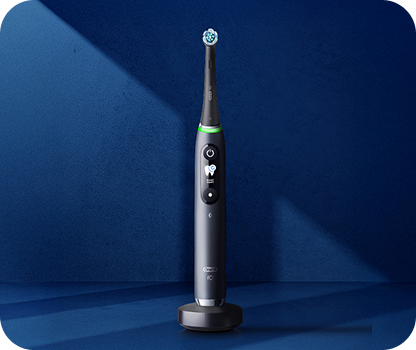
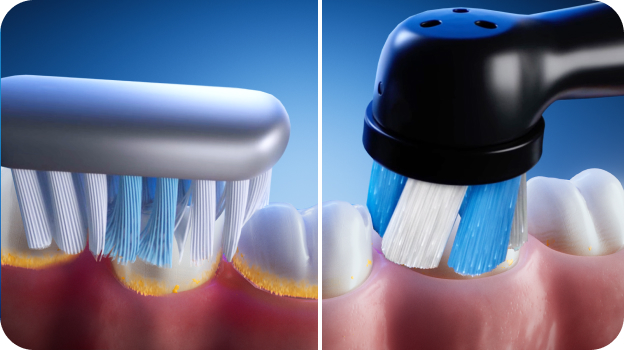
- Brush 2X/day with an Oral-B iO Electric Toothbrush: It can be tough to clean around brackets and wires, allowing more opportunities for food particles and plaque to accumulate in. Brush twice daily with an electric toothbrush to remove up to 100% more plaque than you would with a regular manual toothbrush for healthier teeth and gums.
- Pair It with an Oral-B iO Gentle Care Replacement Brush Head: Braces can leave your smile feeling sore and sensitive. iO Gentle Care Brush Heads feature high-density dentist-inspired extra soft bristles in an optimized pattern to better adapt to teeth and gums while delivering a gentle clean.
- Protect Your Smile with Crest Pro-Health Toothpaste: Brush twice daily with a Crest stannous fluoride toothpaste to help prevent cavities, help reverse gingivitis (an early form of gum disease), and keep your smile strong and bright.
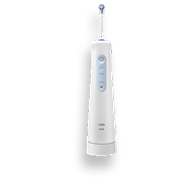
- Amp Up Your Flossing Routine with Oral-B Water Flosser Advanced: When paired with traditional string floss, a water flosser can help remove even more food debris and plaque from hard-to-reach areas to help boost your gum care. Oral-B Water Flosser Advanced features customizable intensities so you can more easily wash away leftover particles from brackets and wires.
- Rinse with Crest Pro-Health Mouthwash: Round out your brushing and flossing routine with an antigingivitis/antiplaque mouthwash to kill germs, rinse away leftover plaque, and support gum health.
- Maintain a Balanced Diet: Foods high in sugars can increase plaque buildup, especially when wearing braces. Opt for fruits, vegetables, and whole grains to help limit plaque bacteria and keep your smile healthy.
- Visit Your Dental Professional Regularly: Keep up regular with orthodontic visits to keep braces properly adjusted. Additionally, it's important to go in for professional cleanings and checkups at least twice a year to better monitor your oral health.
Following a complete oral care routine while wearing braces can help keep your teeth and gums healthy, so when those brackets and wires do come off, you can confidently reveal your newly straightened, strong, bright smile.