















- Know the Different Types of Mouthwash
- Alcohol Mouthwash
- Alcohol-Free Mouthwash
- Fluoride Rinse
- What You Need to Remember
- Related Articles
- FAQs
Types of Mouthwash: Find the One That Works for You
10 minute read
Last updated 06/2025
Share

One of the key things you'll need to know when considering which type of mouthwash to use for your oral care routine is the differences between them.
Know the Different Types of Mouthwash
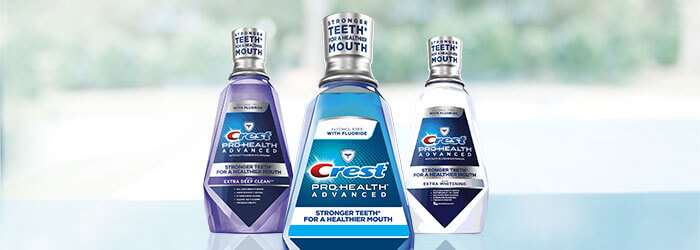
A mouthwash freshens your breath, but it doesn't clean your teeth. Mouthwashes are not a replacement for a regular routine of twice-daily tooth brushing and daily flossing, although they can help wash away excess food particles in your mouth. A standard over-the-counter mouthwash contains breath-freshening ingredients such as mint flavoring, but it doesn’t contain fluoride unless the label says so.
Alcohol Mouthwash
Some people consider using a mouthwash as part of their daily oral care routine, but are discouraged by the alcohol content. For some of these people, rinsing for the recommended length of time with an alcohol-containing product (many mouthwashes are about 20 percent alcohol) is uncomfortable. Others are worried about the fact that the 20 percent alcohol content is enough to cause illness in children or teens who experiment by drinking mouthwash. Also, some recovering alcoholics avoid mouthwash because the alcohol content has been shown to trigger a relapse.
Alcohol-Free Mouthwash
But alternatives are available. You can find alcohol-free mouthwash that provides similar oral health benefits to a typical alcohol-containing product. Consider a mouthwash with CPC (cetylpyridinium chloride). This ingredient is found in many health care products. CPC has been shown to be safe and effective. In a mouth rinse, it binds to the surface of germs and causes them to burst, which helps reduce their buildup on the teeth.
Fluoride Rinse
A fluoride mouth rinse doesn't remove plaque, it works by protecting your tooth from acids produced by the bacterial plaque, and it is not a substitute for brushing and flossing. The fluoride in a fluoride rinse incorporates into the enamel coating of your teeth, and it can help protect against cavities in people who are susceptible.
What You Need to Remember
Remember, a mouthwash or a fluoride mouth rinse should be used after you finish your tooth brushing and flossing routine. Also, keep in mind that mouthwashes or mouth rinses are not recommended for children younger than 6 years old, because kids that age may be inclined to swallow the rinses rather than spit them out.
What causes periodontal or gum disease?
Plaque bacteria is the primary cause of gum disease, using an electric toothbrush is the best way to combat plaque buildup and maintain healthy teeth and gums. However, other factors can contribute to periodontal disease. These include:
- Hormonal changes with pregnancy, puberty, menopause, makes gums more sensitive and easier to develop gingivitis.
- Illnesses as cancer, HIV, or diabetes that interfere greatly with the immune system puts people at a higher risk of developing infections such as cavities and periodontal disease.
- Medications can affect oral health. Some lessen the amount of saliva your mouth produces which acts as a protectant for your teeth and gums. Other drugs can cause abnormal growth of gum tissue.
- Smoking or chewing tobacco can lead to numerous oral problems but ultimately make it harder for gum tissue to repair itself.
- Poor oral hygiene such as inconsistent brushing or flossing
- Family history or gum or dental disease can be a contributing factor as well.
Science worth a scroll.

Find the Best Mouthwash for You
Mouthwashes freshen your breath and help wash away food particles, but they are not a replacement for a regular routine of brushing twice daily and flossing daily.
Read more
Does Whitening Mouthwash Work?
Treats mouth sores by cleansing minor oral wounds. For mouth sores including: canker sores, cheek bites, braces and denture irritations.
Read more
Chlorhexidine Mouthwash: Pros and Cons
Chlorhexidine has powerful antibacterial properties and can be especially helpful in maintaining a healthy mouth after a teeth deep-cleaning procedure such as tooth scaling and root planing.
Read more
Using Fluoride Mouthwash
Many dental professionals believe that twice-daily brushing with a fluoride toothpaste provides enough fluoride for cavity protection. But if you're prone to cavities, you can use a fluoride mouthwash in addition to brushing and flossing your teeth.
Read more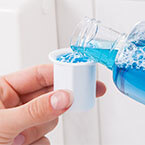
Kids Mouthwash - Benefits and Mouthwash Safety
Older children and teenagers may express interest in mouthwash as a breath-freshening agent, and they can reap the benefits of a fluoride rinse as well.
Read moreFAQs
Is alcohol-free mouthwash better for you?
Alcohol-free options are excellent for individuals who find the stinging sensation of traditional rinses uncomfortable. These products provide similar health benefits without the risks associated with high alcohol content for children or people who prefer to avoid alcohol.
Which mouthwash is best for gum disease?
Mouthwashes containing cetylpyridinium chloride (CPC) can help control plaque that can lead to gingivitis when used as directed, in addition to brushing and flossing. If you think you have gum disease, see a dental professional for diagnosis and treatment.
Does mouthwash help with tonsil stones?
While mouthwash can help wash away excess food particles and reduce germs in the mouth, it is not a replacement for brushing and flossing. Consistent rinsing may assist in maintaining a cleaner oral environment to help manage such issues.
What to avoid in mouthwashes?
Avoid giving mouthwash to children who can’t reliably spit it out, since they may swallow the liquid. Follow the product label’s directions for age use, dosing, and supervision. Additionally, individuals with sensitive mouths or specific health histories may want to avoid products with high alcohol concentrations.
