




















- Science worth a scroll.
- FAQs

Leukemia and Gingivitis
10 minute read
Last updated 06/25
Share

Gingivitis Is Common in Leukemia Patients
Leukemia can increase your risk of developing gum disease. Gingivitis can be an early symptom of leukemia, especially in children. Data from studies of childhood leukemia have shown that about 25 percent of children with leukemia develop gingivitis as the first sign of cancer.
In leukemia patients, gingivitis occurs when leukemia cells infiltrate the gums, and gingivitis can become severe because leukemia reduces the body’s ability to fight the infection.
A patient with active leukemia who develops gingivitis may need to refrain from tooth brushing and flossing and wipe the teeth and gums with clean gauze. Because blood doesn’t clot well in leukemia patients, even gently brushing and flossing can cause too much bleeding from infected gums. Also, a dental professional may recommend a specialized mouth rinse to help control plaque while the patient is undergoing treatment for leukemia.
Once leukemia is in remission, most patients can follow a regular oral care routine of twice-daily tooth brushing and daily flossing, along with regular visits to a dental professional. Because of the plentiful blood supply to the gums, they can return to a healthy condition with proper oral care. For sensitive teeth and gums, choose an extra-soft or soft-bristled brush and soft floss.
Shop this article
1512|689
Science worth a scroll.

Effects of Chemotherapy on Oral Health
For a number of medically important reasons, it’s vital that cancer patients not neglect their dental health. Chemotherapy, which involves drug treatment to kill cancer cells, can promote a range of oral health problems.
Read more
How Electric Toothbrushes Prevent Cavities
Brushing properly is the #1 way to prevent cavities. Oral-B® Electric Toothbrushes help make your brushing technique significantly more effective—resulting in fewer opportunities for tooth decay.
Read more
Oral Care for Cancer Patients
Approximately one-third of people who undergo treatment for cancer will develop some type of oral complications, according to the National Institute of Dental and Craniofacial Research at the National Institutes of Health.
Read more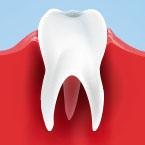
What is Gingivitis? Symptoms, Causes, and Treatments
Gingivitis is the first stage of gum disease. Fortunately, gingivitis is often treatable and preventable with just a few simple steps that you can do at home.
Read moreFAQs
How can leukemia present symptoms in the mouth?
Leukemia can sometimes be associated with oral changes such as unusual gum swelling, bleeding, or persistent sores. Because these symptoms can have many causes, a healthcare professional should evaluate persistent or unexplained changes.
Why does leukemia cause gum swelling and bleeding?
Leukemia can contribute to gum swelling when abnormal blood cells affect tissues and the immune system. Bleeding can also occur when platelet counts are low, which can make gums bleed more easily.
Should cancer patients change their oral hygiene routine?
During leukemia treatment, oral care may need to be adjusted based on bleeding risk and medical guidance. A dental or medical professional can recommend a gentle routine and appropriate rinses to help manage plaque safely.
Can a dentist detect leukemia early?
Dentists may notice unusual gum swelling, bleeding, or sores that could signal an underlying medical issue and refer patients for medical evaluation. Dental exams can help flag concerning changes, but only medical testing can diagnose leukemia.
What is "leukemic gingivitis"?
Leukemic gum changes can include significant swelling or bleeding when abnormal blood cells affect gum tissues. These symptoms require prompt medical evaluation and coordinated dental care during treatment.
