




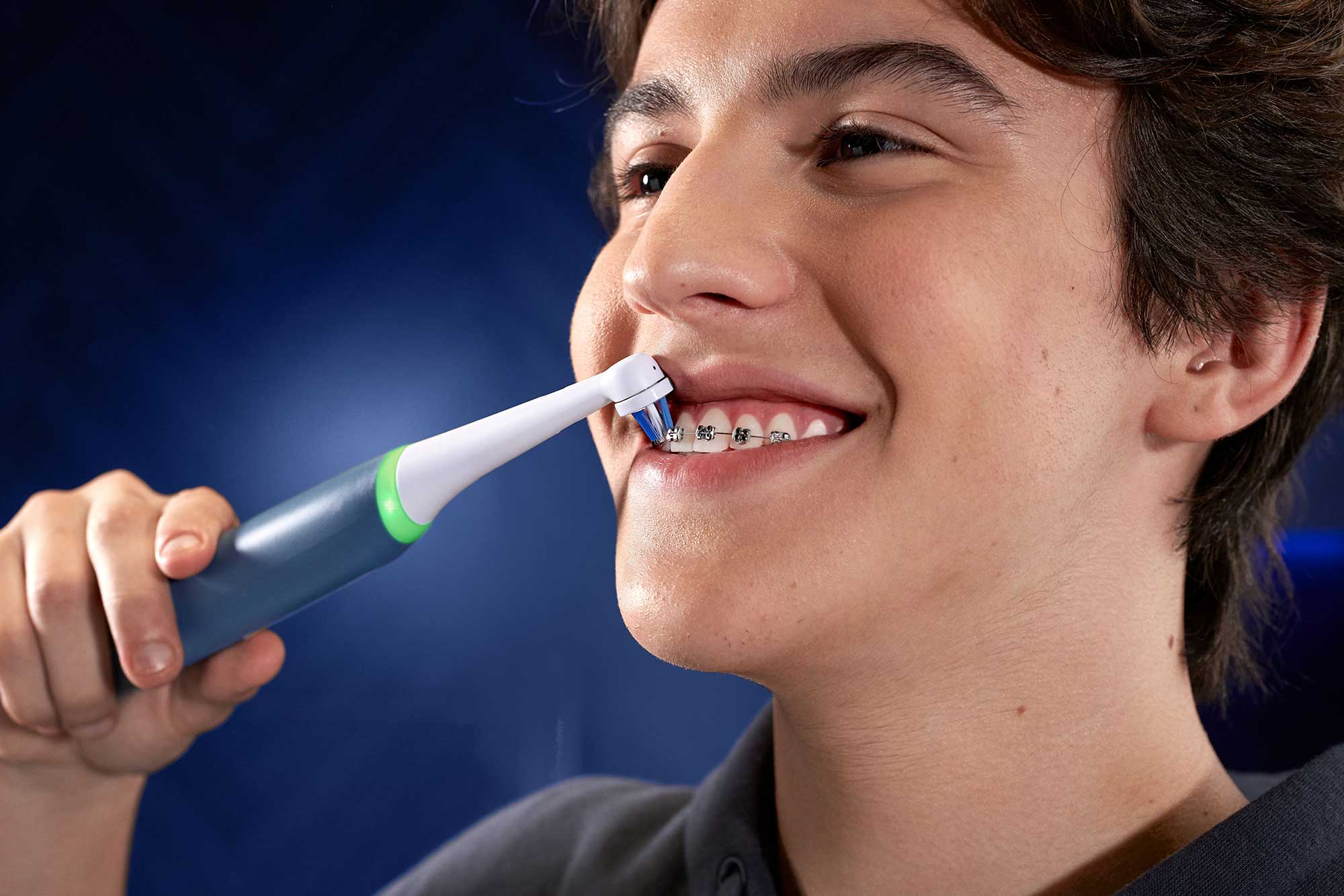

How To Brush Your Teeth With Braces

Summary
Key Takeaways
- Brush after every meal to remove food particles and plaque
- Use a soft-bristled toothbrush, ideally one with features specifically designed for orthodontics, to more effectively clean around brackets and wires
- Angle your toothbrush at a 45-degree angle to the gumline, and also angle it from above and below to clean around the brackets and wires
- Floss regularly. Braces make it even more important to make flossing a part of your routine, which can be supplemented with a water flosser
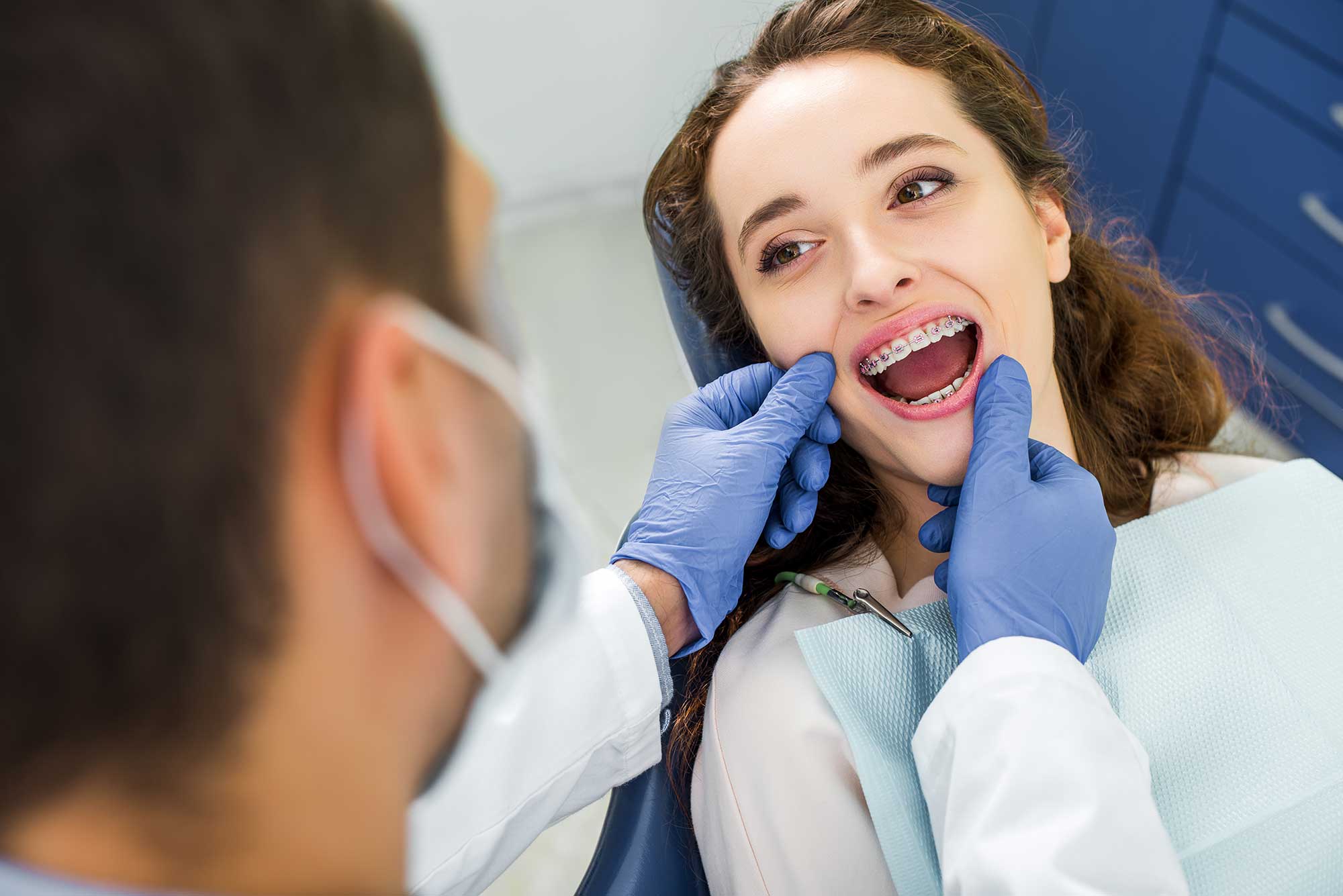
- Keep dentist and dental hygienist appointments. Regular check-ups and cleanings are essential for monitoring your oral health
Table of Contents

This blog has been reviewed and approved by Dr Robert Lee, a dental professional of 35 years
LEARN MORE >Key Takeaways
Guide to Brushing With Braces
Brushing with braces takes a little more focus and effort than brushing without. Here’s what you need to know.
- Rinse First: Rinse your mouth with water to loosen any food particles stuck in your braces. It makes brushing more effective
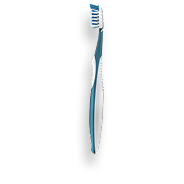
- Choose the Right Toothbrush: Soft-bristled brushes, preferably those designed for braces, that can reach around brackets and wires more effectively. An electric toothbrush with a timer is also a good choice. Just make sure the brush head isn’t too large to move around your braces
- Brush at a 45-Degree Angle: Hold your toothbrush at a 45-degree angle to your gumline and move the brush in small, circular motions. Brush gently to clean the area where your teeth and gums meet
- Clean Above and Below Brackets: For the top part of the brackets, angle the brush downward to clean above the brackets. For the bottom part of the brackets, angle the brush upward to clean below the brackets
- Brush All Tooth Surfaces: Make sure to brush the outer, inner, and chewing surfaces of your teeth. Use a gentle back-and-forth motion for the outer and inner surfaces, and use a scrubbing motion for the chewing surfaces
- Floss: Helps clean between teeth and around your braces. Use a floss threader or orthodontic floss to get the floss under the archwire and between teeth
- Rinse Thoroughly: After brushing and flossing, rinse your mouth with water or an antimicrobial mouthwash. An antimicrobial mouthwash helps kill bacteria that cause plaque and gingivitis, removing any remaining debris and freshening your breath.
Additional Tools

To take your oral health routine to the next level while brushing with braces, here are some tools that could help.
- Orthodontic Toothbrush: Designed to clean around braces, it has V-shaped bristles that can reach under the wires and around brackets
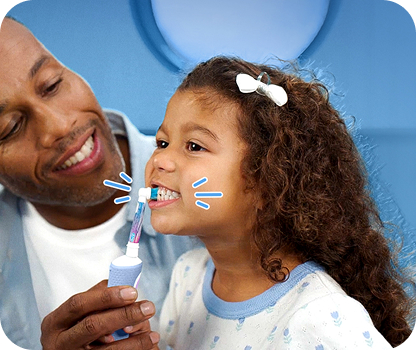
- Electric Toothbrush: Can provide more consistent brushing motions around brackets and may be easier to use with braces
- Interdental Toothbrush: Tiny, bottle-brush-like tool that is a great tool for cleaning between teeth and around brackets. It can reach spots a regular toothbrush might miss
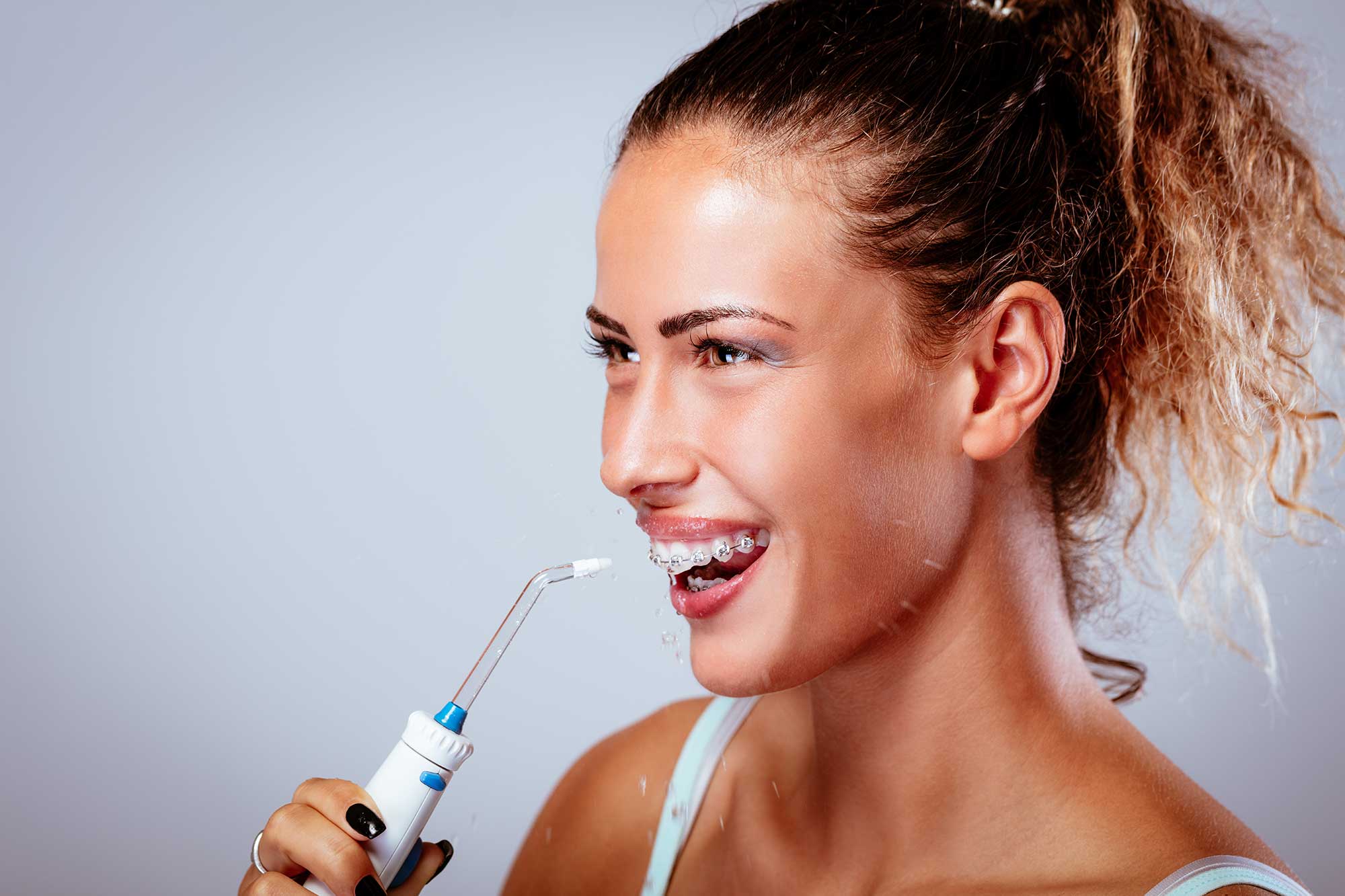
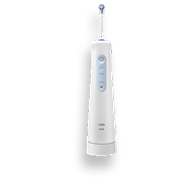
- Water Flosser: Uses a stream of water to help wash away food particles and loosely attached plaque from between teeth and around braces
- Floss Threader: A tool that helps guide dental floss behind the wires of braces, making it easier to clean between teeth
How Often Should You Brush
Brush your teeth after every meal and before bed because it removes food particles and plaque that can accumulate throughout the day. If brushing after a meal is not possible, rinse your mouth with water, then brush at the first opportunity. Also, remember to replace your toothbrush every three to four months, or sooner if the bristles become frayed.
What to Avoid

Besides all the things you should do when brushing with braces, there are also a few things you shouldn’t.
- Brushing Too Hard: It can damage your braces and irritate your gums, so use gentle strokes when brushing
- Rushing Your Brushing: Take your time when brushing to ensure all areas are cleaned properly
- Skipping Flossing: Flossing is an essential step in removing plaque and food particles between teeth and under wires
- Forgetting About the Actual Braces: Clean your brackets and wires, not just your teeth
- Neglecting Dental Checkups: Professional cleanings remove plaque and tartar from all areas of your teeth and around braces. That’s why regular dental checkups with your dentist and dental hygienist are important, in addition to your scheduled appointments with your orthodontist.
Summary
Braces create tiny nooks and crannies where food particles and plaque can hide. If not cleaned properly, this can lead to cavities, gum issues, or even staining once your braces come off. So while brushing your teeth with braces may seem tricky, with the right techniques and tools, it can be manageable and effective.
It starts with choosing the right toothbrush, preferably one designed for braces, to reach around brackets and wires more effectively. An electric toothbrush is also a good choice. You should also floss daily using a floss threader or orthodontic floss to get under wires and between teeth.
Besides all the things you should do when brushing with braces, there are also a few things you shouldn’t, such as rushing your brushing, brushing too rough, or skipping flossing altogether.
The most important thing is to enhance the great habits you had before braces: Brush after every meal, floss once a day using orthodontic tools, and see your dentist or dental hygienist for regular checkups and cleaning.
Braces: Support for Your Oral Health as You Straighten
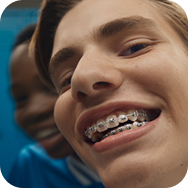
Braces help straighten your smile and correct misalignment, but brackets and wires can also create new areas for plaque to hide—making your smile more vulnerable to staining, tooth decay, and gum disease. A thorough oral care routine can help keep your mouth healthy to ensure you get the most out of your treatment while preventing oral health issues down the road.
When wearing braces be sure to:
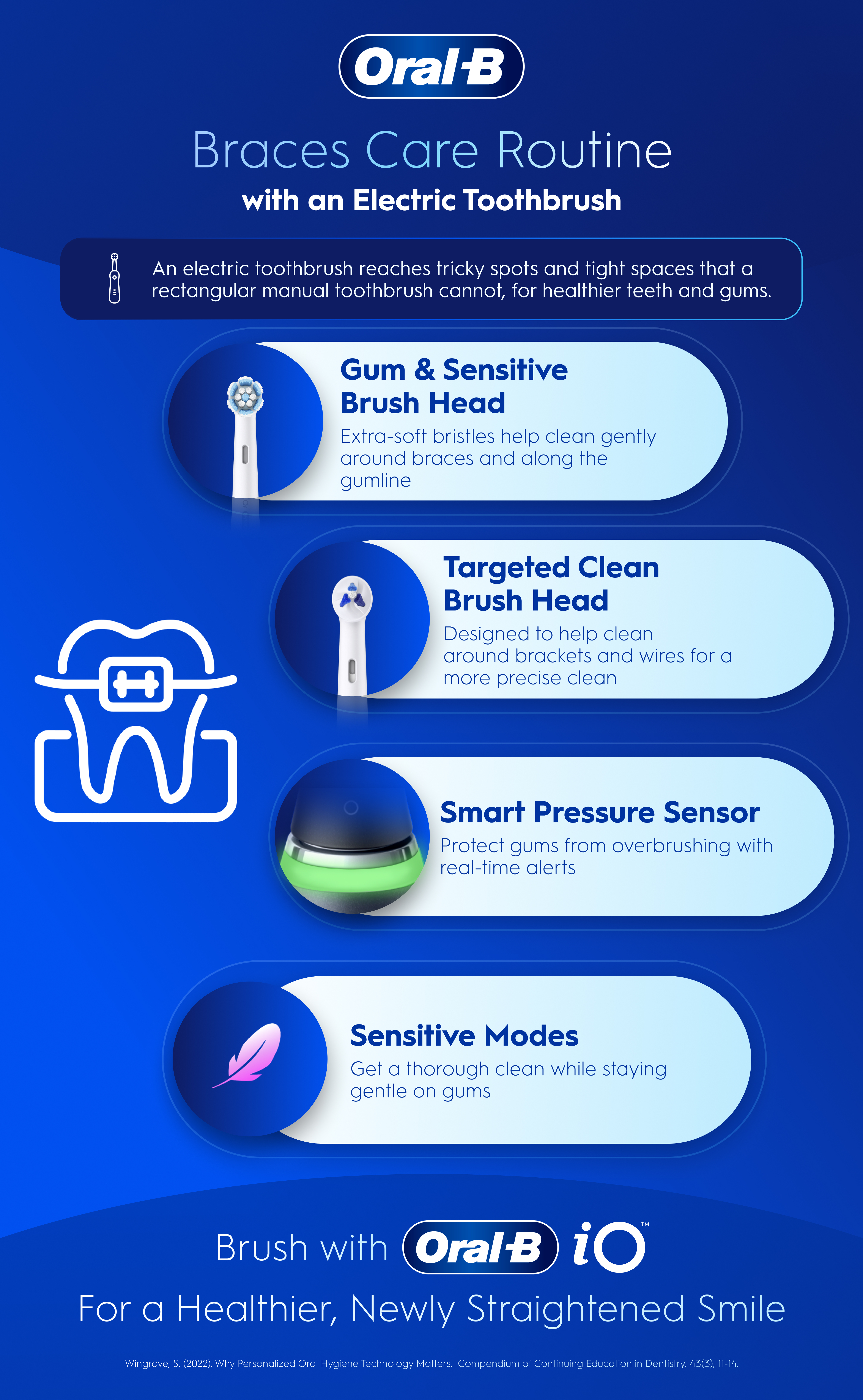
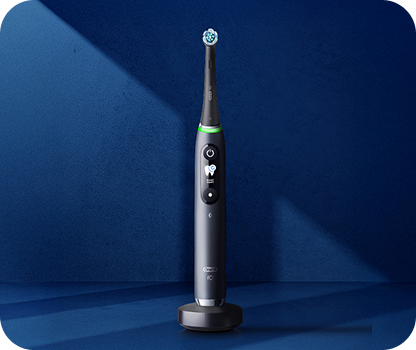
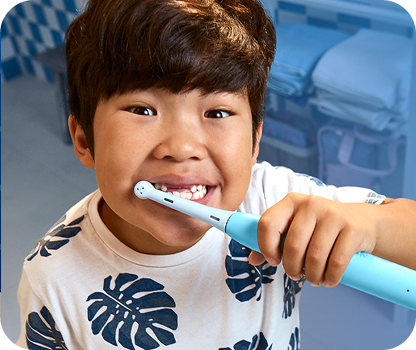
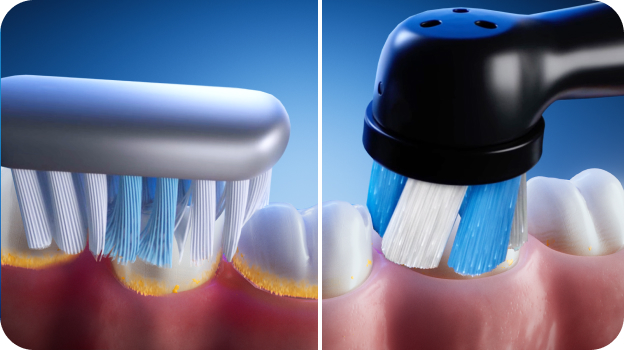
- Brush 2X/day with an Oral-B iO Electric Toothbrush: It can be tough to clean around brackets and wires, allowing more opportunities for food particles and plaque to accumulate. Brush twice daily with an electric toothbrush to remove up to 100% more plaque than you would with a regular manual for healthier teeth and gums.
- Pair It with an Oral-B iO Gentle Care Replacement Brush Head: Braces can leave your smile feeling sore and sensitive. iO Gentle Care Brush Heads feature high-density dentist-inspired extra soft bristles in an optimized pattern to better adapt to teeth and gums while delivering a gentle clean.
- Protect Your Smile with Crest Pro-Health Toothpaste: Brush twice daily with a Crest stannous fluoride toothpaste to help prevent cavities, help reverse gingivitis (an early form of gum disease) and keep your smile strong and bright.
- Amp Up Your Flossing Routine with Oral-B Water Flosser Advanced: When paired with traditional string floss, a water flosser can help remove even more food debris and plaque from hard-to-reach areas to help boost your gum care. Oral-B Water Flosser Advanced features customizable intensities so you can more easily wash away leftover particles from brackets and wires with the
- Rinse with Crest Pro-Health Mouthwash: Round out your brushing and flossing routine with an antibacterial mouthwash to kill plaque bacteria, help prevent gingivitis, and support gum health.
- Maintain a Balanced Diet: Foods high in sugars can increase plaque buildup, especially when wearing braces. Opt for fruits, vegetables, and whole grains to help limit plaque bacteria and keep your smile healthy.
- Visit Your Dental Professional Regularly: Keep up regular with orthodontic visits to keep braces properly adjusted. Additionally, it’s important to go in for professional cleanings and checkups at least twice a year to better monitor your oral health.
Following a complete oral care routine while wearing braces can help keep your teeth and gums healthy, so when those brackets and wires do come off, you can confidently reveal your newly straightened, strong, bright smile.
FAQs
-
How to brush with an electric toothbrush if you have braces?
-
How do you clean between your teeth with braces?
-
How to brush with an electric toothbrush if you have braces?
Sources
- https://aaoinfo.org/blog/should-i-floss-or-brush-first
- https://aaoinfo.org/whats-trending/life-during-treatment/
- https://www.mayoclinic.org/healthy-lifestyle/adult-health/expert-answers/brushing-your-teeth/faq-20058193
- http://www.webmd.com/oral-health/guide/care-of-braces-retainers
- http://www.webmd.com/oral-health/guide/braces-and-retainers
- http://www.bracesguide.com/duringbraces/braces-pain-management.html
- https://www.verywell.com/braces-and-orthodontic-treatment-1059330
- https://aaoinfo.org/whats-trending/do-braces-hurt-your-comprehensive-guide-to-managing-orthodontic-pain/
He, T., et al. (2025). Randomized Controlled Trials Assessing Exposure Frequency Effects of Stannous Fluoride on Gingivitis. JDR Clinical and Translational Research, 10(2), 124–134. https://doi.org/10.1177/23800844241263031
Klukowska, M., et al. (2011). Plaque levels of patients with fixed orthodontic appliances measured by digital plaque image analysis. American Journal of Orthodontics and Dentofacial Orthopedics, 139(5), e463–e470. https://doi.org/10.1016/j.ajodo.2010.05.019
Van Elslande D. (2022). Use of an Oscillating-Rotating Electric Toothbrush and Novel Brush Head to Increase Brushing Motivation and Reduce Plaque Among Orthodontic Patients. Compendium of continuing education in dentistry (Jamesburg, N.J. : 1995), 43(3), f14–f19.
Zou, Y., et al. (2024). A meta-analysis comparing toothbrush technologies on gingivitis and plaque. International Dental Journal
Table of Contents
- Guide to Brushing With Braces
- Additional Tools
- How Often Should You Brush
- What to Avoid
- Summary
- Braces: Support for Your Oral Health as You Straighten
-
- FAQs
- Sources

This blog has been reviewed and approved by Dr Robert Lee, a dental professional of 35 years
LEARN MORE >
Sign Up
for oral care tips, expert advise, and exclusive offers.
Sign Up
for oral care tips, expert advise, and exclusive offers.