














- Oral Hygiene for Sensitive Teeth
- Our Best Mouthwash for Sensitive Teeth
- FAQs
- References

Mouthwash for Sensitive Teeth
10 minute read
Last updated 06/2025
Share

Do you feel discomfort when brushing or flossing? Then you may have sensitive teeth. Look for a gentle mouthwash formula for sensitive teeth that’s best for you. What Causes Tooth Sensitivity?
Brushing, flossing, and even eating or drinking can cause discomfort when suffering from sensitivity. Tooth sensitivity can be caused by a number of factors, some more serious than others. The causes of sensitive teeth include:
- Tooth Enamel: When the outermost layer of your tooth, or enamel, wears away it can lead to sensitivity pain. Enamel helps protect your teeth from sensitivity, damage, and staining. To help strengthen enamel, try adding a fluoride toothpaste to your routine. For further protection, consider swishing with Crest Pro-Health Sensi-Care Rinse.
- Exposed Roots: When gums recede, it means the tissue surrounding your tooth’s roots and nerve gets stripped away. The exposed roots can lead a sharp pain, especially when brushing or flossing. Learn more about our best mouthwash for gum issues that cause receding gums
- Chipped or Cracked Tooth: If you have a damaged tooth, then you increase your risk of sensitivity. See your dental professional right away for proper diagnosis and treatment.
- Gum Issues: When gums aren’t in good condition or are tender, you may experience sensitivity pain.
- Tooth Decay: Dental caries are small pits or holes in the tooth that when touched create a sharp, intense pain. Schedule a visit with your dental professional for diagnosis and treatment such as a filling.
If your tooth sensitivity continues to bother you, see your dental professional right away to better identify the cause and proper treatment.
Oral Hygiene for Sensitive Teeth
Though sensitive teeth can be particularly uncomfortable, there are certain steps you take to make your oral care routine a bit more tolerable and keep your mouth clean:
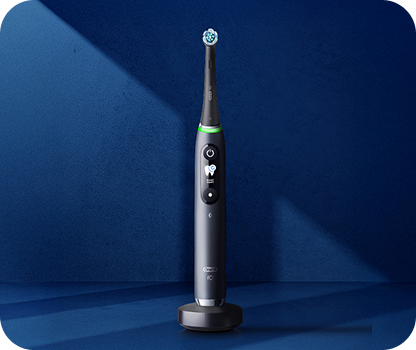
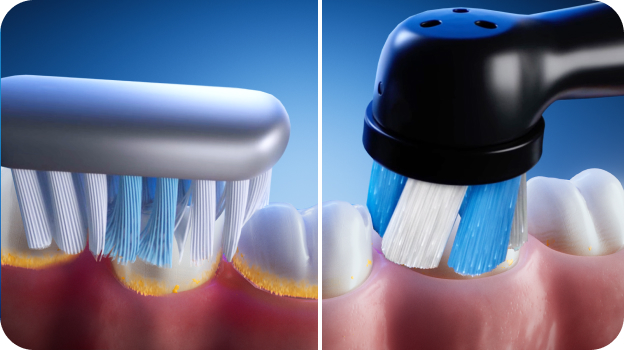
- Switch to an electric toothbrush equipped with Sensitive Mode for a gentler clean
- Pair your electric toothbrush with a sensitivity toothbrush replacement head and brush twice a day to help remove bacterial plaque from your teeth
- Use a toothpaste containing fluoride to strengthen teeth and prevent the damage that bacteria in plaque causes as it builds up on teeth throughout the day
- Visit your dental professional at least twice a year for professional cleanings and checkups
Our Best Mouthwash for Sensitive Teeth
When looking for a mouthwash for sensitive teeth, consider rinsing with an alcohol-free formula. Crest Pro-Health Advanced Multi-Protection Mouthwash provides all day protection against plaque buildup, gum, and bad breath without the burn of alcohol.
To protect gums so they stay in good condition and strengthen teeth, try rinsing with Crest Pro-Health Sensi-Care Rinse. Its fresh mint flavor and non-alcoholic formulation delivers a gentle clean.
Learn more about the best alcohol free mouthwash for you
Our other mouthwashes
Shop this article
1040|690
FAQs
Does mouthwash really work to reduce tooth sensitivity to hot and cold?
Some mouthwashes labeled for tooth sensitivity may help reduce sensitivity over time when used as directed. Look for products with active ingredients intended for sensitivity relief, such as potassium nitrate. If sensitivity is sudden, severe, persistent, or affects one tooth, see a dentist to check for cavities, cracks, gum recession, enamel wear, or other causes.
How many days does it take for sensitivity mouthwash to start working?
How quickly a sensitivity mouthwash works depends on the product’s active ingredients, how often it is used, and the cause of the sensitivity. Some products labeled for sensitivity relief may take several weeks of consistent use to provide noticeable improvement. Follow the product directions, and see a dentist if sensitivity is sudden, severe, persistent, or limited to one tooth.
Which Oral-B rinse is specifically formulated for tooth sensitivity?
Oral-B product options for tooth sensitivity depend on the active ingredients and current product lineup. Look for a rinse labeled for sensitivity relief, and use it as directed. If you are unsure which rinse is right for you, ask your dentist, especially if sensitivity is new or persistent.
References
- https://www.ada.org/en/member-center/oral-health-topics/mouthrinse#:~:text=Antimicrobials%20in%20mouthwash%20formulations%20include, ketone%2C%20terpene%2C%20and%20ionone
- https://www.dentalcareplus.com/media/50441/health-connection-mouthwash.pdf
- https://www.mayoclinic.org/healthy-lifestyle/adult-health/expert-answers/sensitive-teeth/faq-20057854
- https://www.medicalnewstoday.com/articles/312992
- https://www.webmd.com/oral-health/guide/receding_gums_causes-treatments#1
