What is the best fluoride-free toothpaste for kids?
A fluoride-free training toothpaste for babies and toddlers should have a mild flavor that kids like. Crest baby training toothpaste is strawberry flavored and free of sodium lauryl sulfate, sweeteners, and dyes.
When to use fluoride toothpaste for kids
The American Academy of Pediatric Dentistry recommends using a smear, or rice-sized amount, of fluoride toothpaste as soon as your child's first tooth appears. Once your child is 3 to 6 years old, use a pea-sized amount.
If you have concerns about fluoride exposure or changes in how your child's teeth look, talk with your child's dentist for guidance.
To help lower the chance of white spots and keep teeth healthy:
- Limit acidic and sugary foods and drinks.
- Use the recommended amount of toothpaste.
- Supervise brushing until your child can spit well and brush carefully with help as needed.
Once your child can spit well, ask your child's dentist when to move to a fluoride toothpaste made for kids.
Every child is different, so your dental professional can help you decide what is right for your child.
How to care for baby’s teeth and gums?
Start brushing as soon as your child's first tooth comes in. Because baby gums can be sensitive, a gentle clean is best.
Follow these steps when caring for your little one's tender gums and baby teeth:
- Gently wipe your baby's gums after feedings with a clean, damp washcloth to help keep the mouth clean.
- Massage baby's gums with a baby toothbrush equipped with extra-soft bristles.
- A fluoride-free training toothpaste may be one option as your child learns to brush and spit.
- Visit a pediatric dental professional as soon as that first baby tooth comes in or by the age of 1 to check in on your little one's teeth and jaw development.
- Fluoride toothpaste helps protect against cavities. As soon as your child's first tooth appears, ask your child's dentist when to start a fluoride toothpaste and how much to use.
How to brush with fluoride toothpaste for kids?
As kids grow, so do their smiles. It's important to develop an oral care routine that grows with them, adapting to their unique needs at every stage of development.
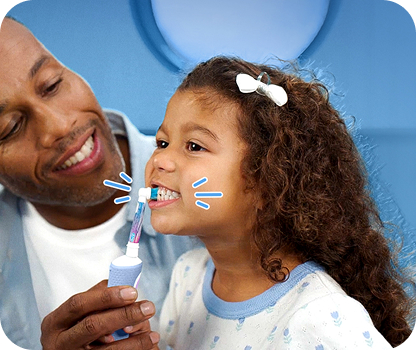
With the right guidance and some practice, you can help set them up for success early on. When brushing kids' teeth 3 and older:
- Guide them twice daily for 2 minutes each session as they learn to brush with a fluoride toothpaste. Use a 'smear' of toothpaste for children from 2-3 years old and a “pea-sized” amount for children aged 3 to 6 years.
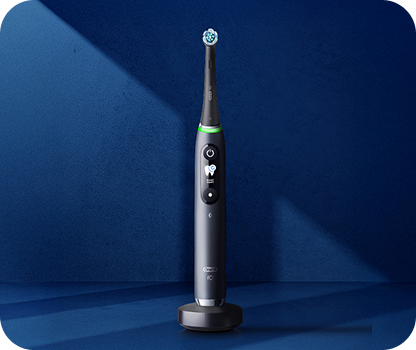
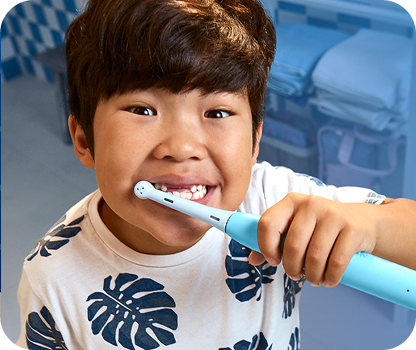
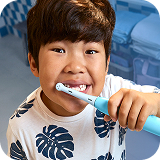
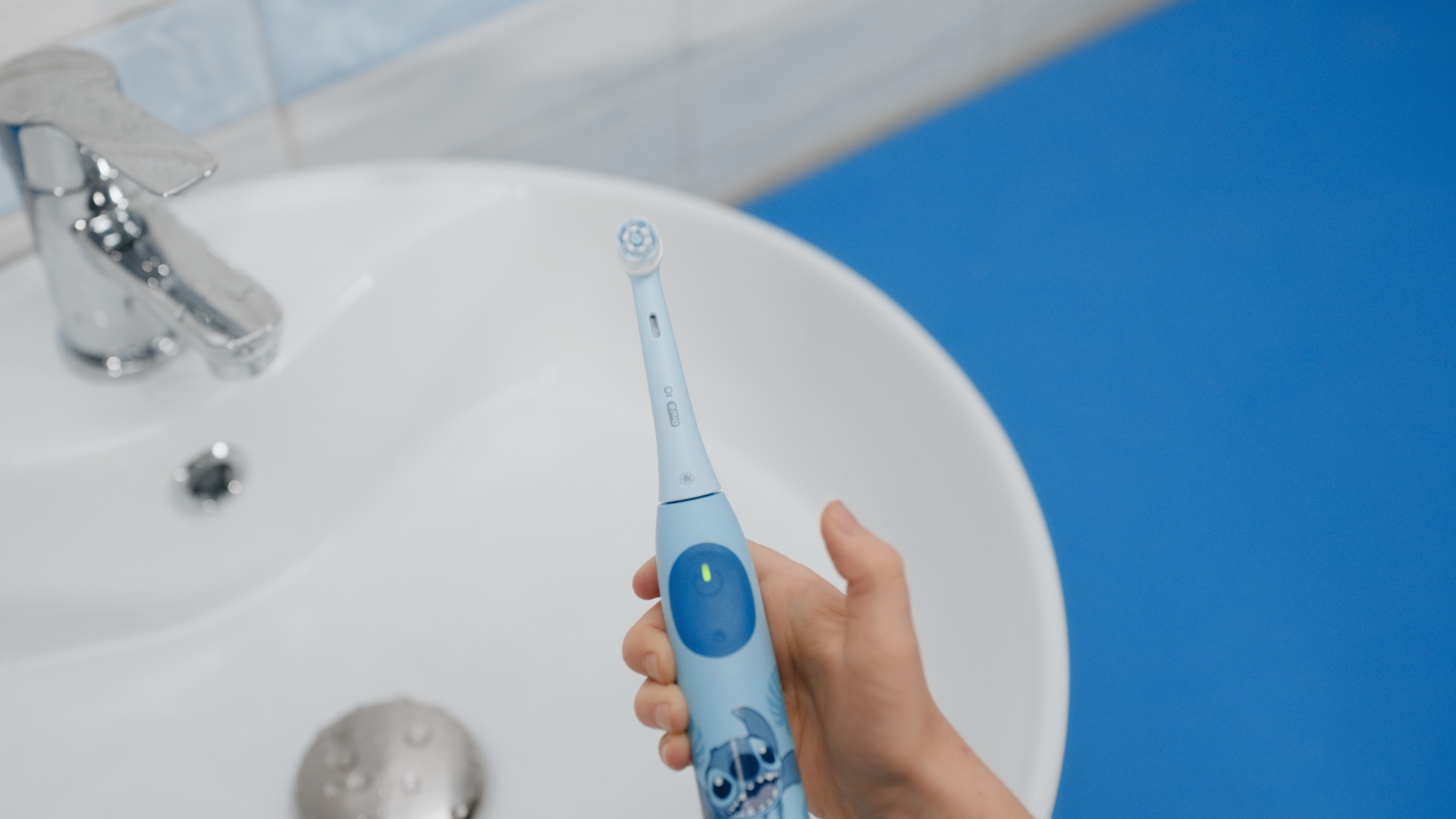
- A kids' electric toothbrush may help some children brush more effectively and can make it easier to follow good brushing habits when used as directed.
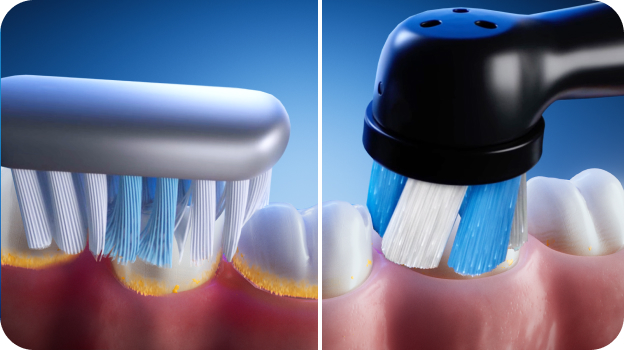
- Let the brush do the work as you glide it across their chewing surfaces, making sure the brush head gently hugs each tooth.
- After brushing, encourage your child to spit out the toothpaste. If you have questions about rinsing, ask your child's dentist for guidance.
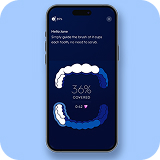
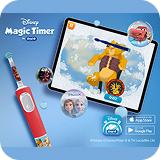
- Try a kids' brushing app like the Disney Magic Timer app for rewards, fun challenges, and help from favorite characters.
- Floss their teeth at least once a day to help remove plaque from between teeth where a toothbrush may not reach.
- Continue to brush and floss your child's teeth for them until they're ready for independent brushing, typically around 6 years old.[
- If you are thinking about adding a fluoride rinse, ask your child's dentist whether it is appropriate for your child's age and needs.
- Make sure to visit their pediatric dental professional twice a year for professional cleanings and checkups.
As kids grow, their oral care routine should grow with them. A fluoride-free training toothpaste may be one option while they are learning to brush and spit. Fluoride toothpaste helps protect against cavities when used as directed for a child's age.
Kids Oral Care Recommendations
Complete Your Child's Oral Care Routine
- Brush your baby's tender gums and teeth with a soft-bristled toothbrush like the Oral-B Manual Toothbrush for Kids 0-2 twice a day for two minutes each session.
- Use a non-fluoride, sugar-free baby training toothpaste to help them get used to brushing. We recommend Crest Baby Training Toothpaste featuring Disney's Winnie the Pooh. The mild-flavored formula is free of sodium lauryl sulfate (SLS), artificial flavors, sweeteners, and dyes.
- Consider a kids' electric toothbrush that is labeled for your child's age if it helps your child brush well.
- Pair their electric toothbrush with a fluoride toothpaste designed for kids to help protect against cavities when used as directed.
- Encourage healthy habits with the Disney Magic Timer App.
- Visit their dental professional twice a year for professional cleanings and checkups.
- Gear up your kids' oral care routine with products designed for your child's age and needs.