How to Prevent an Abscessed Tooth
Prevention is the best approach when it comes to tooth abscesses. Good oral hygiene and routine dental care go a long way. Here's how to protect yourself:
Brush and Floss Daily
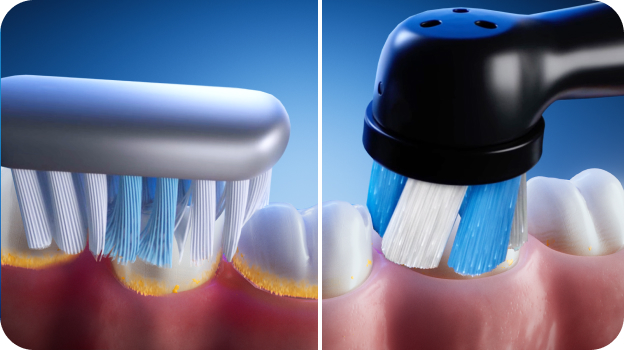
Keep your teeth clean by brushing twice a day and flossing at least once a day. This helps remove plaque and food particles that feed harmful bacteria, which leads to tooth decay.
Use Fluoride Toothpaste
Fluoride strengthens your enamel, which makes it harder for bacteria to break through and cause cavities.
Limit Sugary Foods and Drinks
Sugar is a fuel for bacteria. So, try to reduce your intake of sugary foods such as soda, candy, and other sweets, especially sticky or chewy ones.
Visit the Dentist Regularly
Among other benefits, routine checkups every six months can help catch problems early. Your dentist and dental hygienist can spot cavities or gum disease before they lead to abscesses.
Wear a Mouthguard
If you play contact sports or grind your teeth at night, a custom-fitted mouthguard can prevent cracks and other damage.
Don't Ignore Tooth Pain
Even a slight toothache can be the start of something serious. If something feels off or if the pain doesn’t subside, make an appointment as soon as you can.
When to See a Dentist Immediately
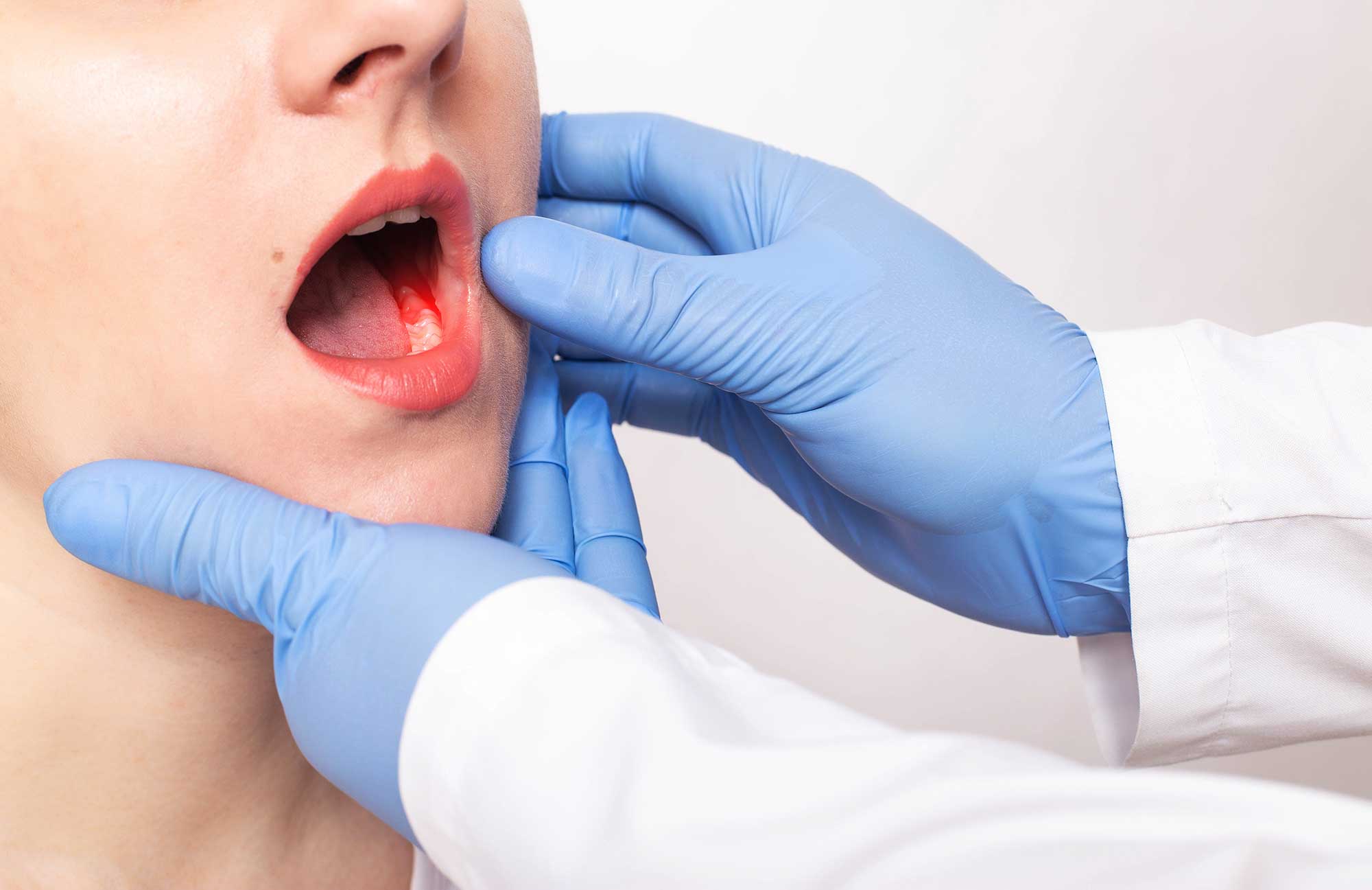
An untreated abscess can spread to your jaw, neck, or even your brain. Prompt care can prevent complications and often save teeth. So don't delay. Call a dentist right away if you have:
- A persistent toothache
- Swelling in your face or gums
- Trouble swallowing or breathing
- Fever along with dental pain
Summary
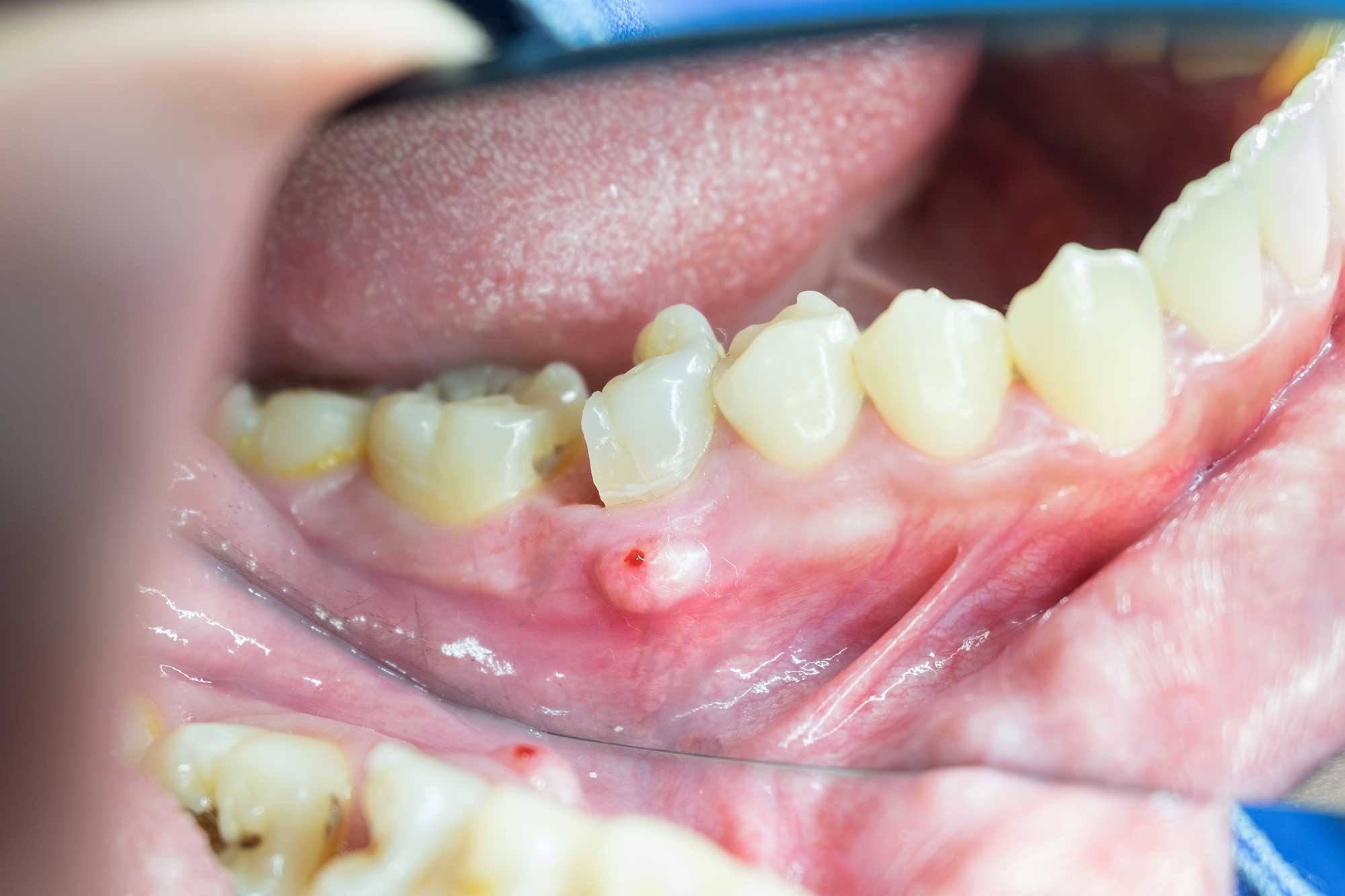
An abscessed tooth is more than just a toothache—it's a pocket of pus caused by a bacterial infection deep inside your tooth or gums. Common causes include untreated cavities, gum disease, or dental trauma such as a cracked or broken tooth.
Symptoms may start as a toothache and progress to include severe pain, swelling, fever, bad taste in the mouth, or bad breath. If it turns out to be an abscess, treatments include draining the abscess, root canal therapy, or even tooth extraction, depending on the severity.
If left untreated, the infection can spread to other parts of the body, leading to more serious health problems. Fortunately, treatment is highly effective, especially when caught early. So, if you suspect a tooth infection, it's important to see a dental professional immediately.
The good news is that they're often preventable if you practice daily oral hygiene, eat smartly, and never skip your dental checkups.
Prevent Common Oral Health Issues for a Healthy Smile
Common oral health issues can include cavities and tooth decay, gum disease, staining and sensitivity. The main culprit of which is often plaque buildup—a sticky film of bacteria that forms on teeth. If not treated, these conditions can lead to tooth loss and may even affect your overall health.
By following a complete oral care routine, you can help nip these issues in the bud, for a stronger, healthier smile:
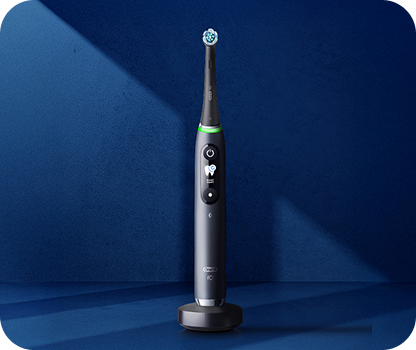
- Brush 2X/day with an Oral-B iO Electric Toothbrush: An electric toothbrush, like an Oral-B iO, helps remove up to 100% more plaque than a regular manual toothbrush.
- Protect Your Smile with Crest Pro-Health Toothpaste: Make sure to brush twice a day with a stannous fluoride toothpaste. Not only does it help fight cavities and tooth decay, a Crest toothpaste formulated with stannous fluoride such as Crest Pro Health (hyperlink) also keeps enamel strong, fights sensitivity, and offers round-the-clock protection from plaque buildup when you brush twice a day.
- Rinse with Crest Pro-Health Mouthwash: Swish with an antibacterial mouthwash to rinse away leftover plaque, support gum health and leave your mouth feeling clean and fresh.
- Pair String Floss with an Oral-B Water Flosser: Traditional flossing once daily is essential for dislodging plaque from tight spaces between teeth. Complementing your routine with a water flosser can further help wash away food particles and plaque buildup from around teeth and gums for an exceptionally clean feeling.
By following a thorough oral care routine at home and visiting your dental professional at least twice a year, you can reduce the risk of developing tooth decay, gum disease, and protect your smile for years to come.