













-
Contents
- Back Teeth Or Molar Cavities
- Why Do My Back Teeth Hurt?
- How Quickly Can Plaque Form On Your Teeth?
- Simple Steps For Plaque Removal
- FAQs
- References

Back Teeth Cavities and Plaque Bacteria
10 minute read
Last updated 06/2025
Share


This blog has been reviewed and approved by Dr Robert Lee, a dental professional of 35 years
Learn MoreBack Teeth Or Molar Cavities
As everyone who brushes and flosses their teeth knows, your back teeth are harder to reach and to keep clean than your front teeth. The back teeth are developed with grooves and ridges that help you chew food, but the downside is that these grooves and ridges can also collect tiny food particles and plaque, which contains bacteria that can increase the risk of cavities.
Leftover plaque bacteria can cause the development of a cavity between these teeth. The back teeth are harder to reach when brushing, making them more susceptible to tooth decay in the form of a cavity, especially in the tight space between the back teeth. To help keep your teeth free from cavities and prevent the damage that plaque bacteria can cause, consider using an electric toothbrush to better reach these tight spaces as well as using a fluoride rinse to your routine and ask your dental professional if an antibacterial mouthwash can help.
Why Do My Back Teeth Hurt?
Tooth decay doesn't happen overnight. The bacteria in your mouth could cause a film called plaque to grow over your teeth. Eating foods rich in sugar helps bacteria in the plaque to produce energy that they need to survive, as well as harmful acids that can break down the enamel and lead to cavities. A healthy diet and twice daily brushing for the dentist-recommended 2 minutes to remove the plaque bacteria are essential to preventing tooth decay.
If plaque is left behind, tooth decay can progress inward and affect the nerves in the pulp of the tooth. This progressive decay can cause symptoms including pain and swelling and may result in tooth loss.
How Quickly Can Plaque Form On Your Teeth?
Bacteria can convert fermentable sugars (which are found in many foods) into plaque within 20 minutes. Be sure to remove plaque bacteria around your molars with your toothbrush and dental floss every day.
Simple Steps For Plaque Removal
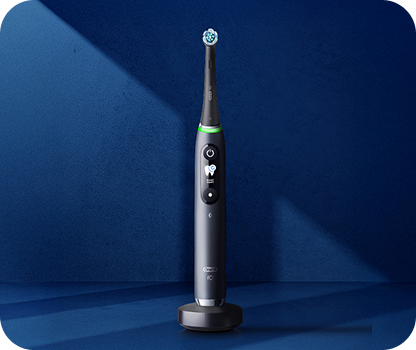
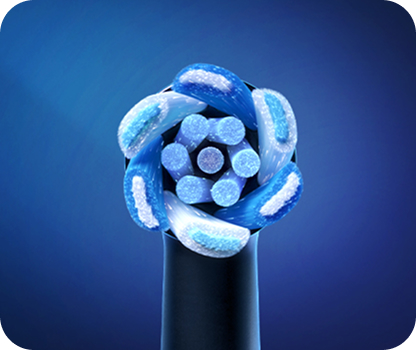
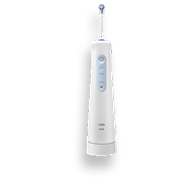
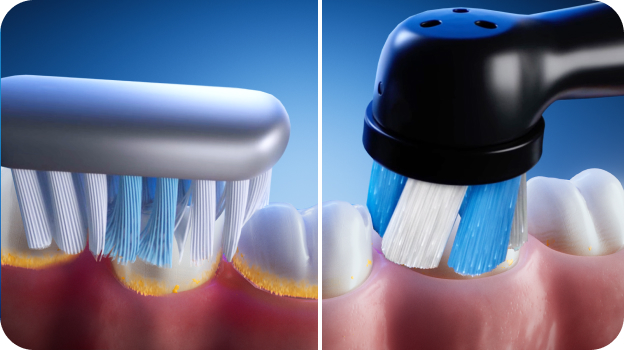
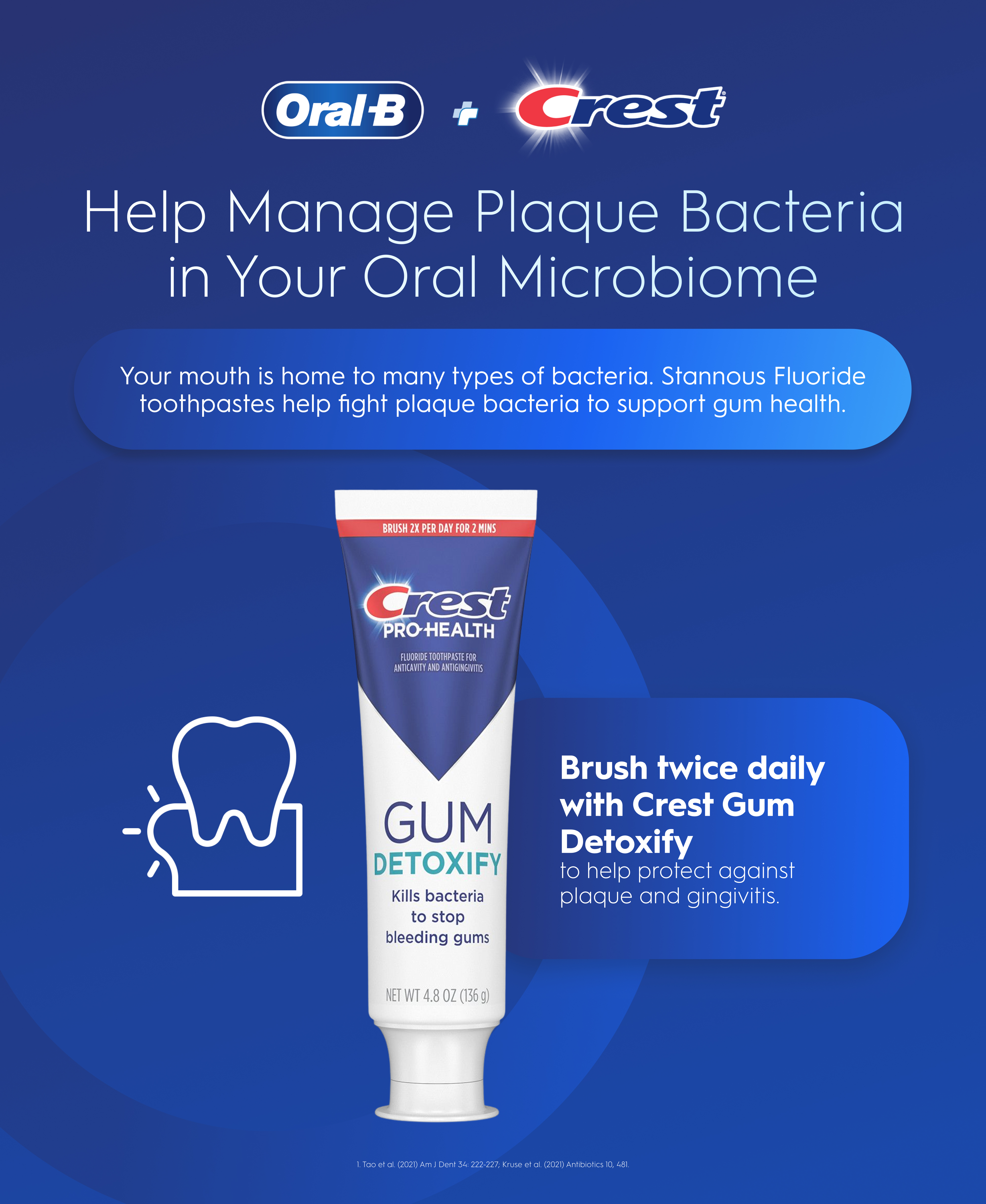
To effectively remove plaque, be sure to brush a minimum of twice daily. Consider switching to an electric toothbrush. Brushing with an electric toothbrush like the Oral-B iO2 removes up to 100% more plaque than a regular manual toothbrush with our dentist inspired round brush heads that adapts to each unique tooth. Use floss at least once a day to remove plaque bacteria from teeth where it’s difficult to reach with a regular toothbrush. If it is hard for you to reach your back teeth or molars, consider using interdental brushes, floss picks or a water flosser. Speak to your dental professional about using a fluoride toothpaste and antibacterial mouthwash to help keep your teeth healthy and gums in good condition.
Shop this article
1040|690
FAQs
Why are back teeth more prone to cavities?
Back teeth are more prone to cavities because their grooves and pits can trap food and plaque, and they can be harder to clean well with a toothbrush or floss. When plaque stays on teeth, cavity-causing bacteria can produce acids that weaken enamel and increase the risk of tooth decay.
How can I effectively floss my back teeth?
Start with about 18 inches of floss wrapped around one hand, leaving several inches to work with, and gently slide the floss between your back teeth using a careful, sawing motion, curving it into a C-shape along each tooth to reach below the gumline while using a fresh section for each tooth. For those hard-to-reach areas, consider using floss picks or interdental brushes to efficiently dislodge plaque and food particles and maintain healthy gums.
What are dental sealants and do they protect back teeth?
Dental sealants are protective coatings applied to the chewing surfaces of back teeth, where grooves and pits often trap food particles and bacteria. They act as a barrier against decay, reducing the risk of cavities, particularly in these hard-to-clean areas.
Does bacteria accumulate faster on back teeth?
Back teeth, especially molars, often have intricate grooves and pits that can trap food particles and plaque, making them more prone to bacteria buildup. Additionally, these areas can be harder to thoroughly clean, which may allow bacteria to accumulate faster compared to smoother, more accessible surfaces on front teeth.
What tools help clean hard-to-reach back teeth?
Tools that can help clean hard-to-reach back teeth include a soft-bristled toothbrush or electric toothbrush, floss, floss picks, interdental brushes, and a water flosser. Brush twice a day with fluoride toothpaste and clean between teeth once a day. If you use an Oral-B electric toothbrush, follow the product directions for plaque-removal claims and brush head replacement.
References
- https://www.ada.org/en/member-center/oral-health-topics/mouthrinse#:~:text=Antimicrobials%20in%20mouthwash%20formulations%20include, ketone%2C%20terpene%2C%20and%20ionone
- https://www.dentalplans.com/dental-information/dental-concerns/bacteria-in-your-mouth
- https://emedicine.medscape.com/article/1081424-overview
- https://www.mayoclinic.org/healthy-lifestyle/adult-health/in-depth/dental/art-20047475
- https://www.ncbi.nlm.nih.gov/books/NBK8259/
- https://newsinhealth.nih.gov/2019/05/mouth-microbes
