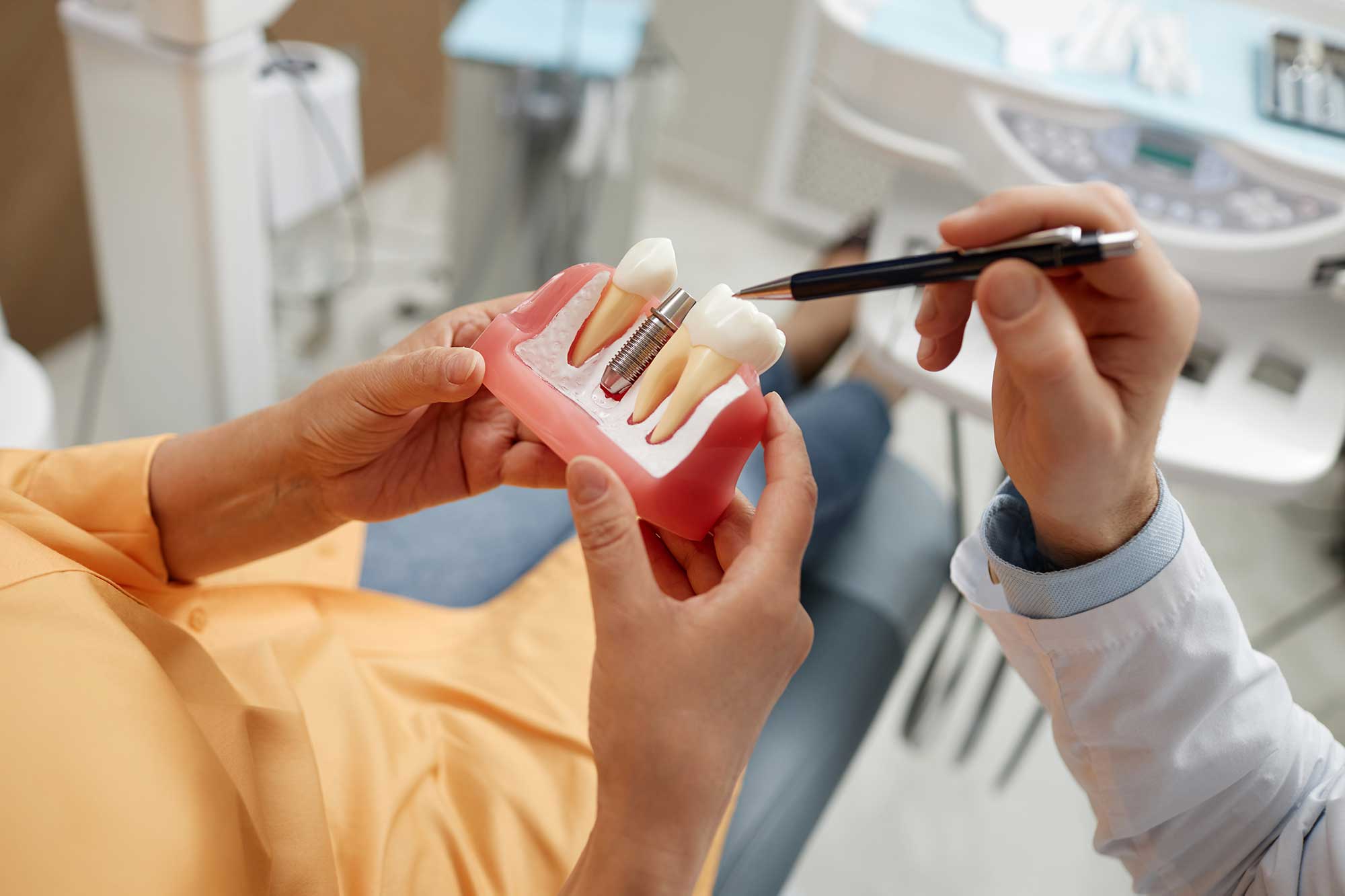
Cost Comparison
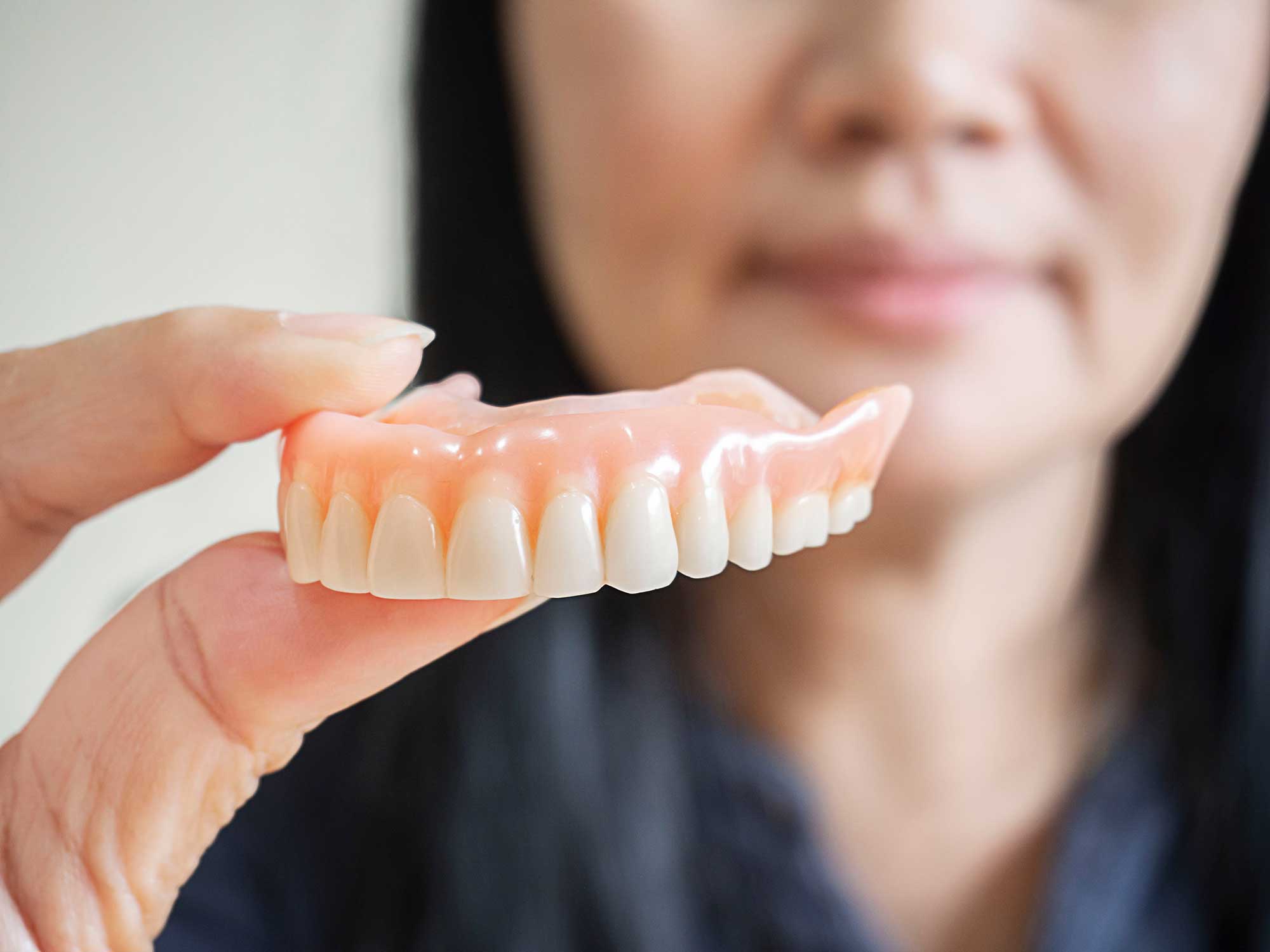
Dentures
The upfront cost is usually more affordable, with simple sets starting at around $600-1,000. Higher-end options cost up to $3,000. Dentures wear out every 5-10 years, requiring added maintenance and replacement costs.
Dental Implants
Cost more per tooth, with a single implant, including the abutment and crown, typically ranging from $3,000-$6,000. A full set can cost $25,000 or more. But unlike dentures, it’s a one-time investment with only routine checkups necessary for upkeep. With proper care, implants often last a lifetime.
Comfort and Daily Function
Dentures
Can feel bulky and might slip or click, which can make talking or chewing a little awkward. They can also cause irritation, and adjustments are often needed, especially early on.
Dental Implants
Feel and work like your natural teeth because they’re very secure with no movement. They’re also pain free, and no adhesives are necessary.
Bone Health and Facial Structure
When teeth are missing, the jawbone can shrink, affecting your remaining teeth as well as your appearance.
Dentures
Press on the gums, which does not provide the stimulation needed to prevent bone loss. Over time, this lack of stimulation contributes to bone resorption and can lead to a sunken appearance.
Dental Implants
Stimulate the bone just like natural tooth roots do. This keeps the jaw healthy and allows for a full face.
Maintenance and Habits
Dentures
Need daily removal for soaking and cleaning and require the use of adhesives. They also require periodic adjustments as your mouth changes.
Implants
Only require the same care as natural teeth, which is brushing twice a day, flossing daily, and maintaining regular dental visits.
Pros and Cons
Here is a quick summary of the pros and cons of each option.
Dentures: Pros
- More affordable initially
- Quick to get
- Non-Surgical
- Easily replaces multiple or all teeth
- Adjustable and repairable
Dentures: Cons
- May slip
- Can cause gum sores and irritation
- May need adhesives
- Daily removal and soaking necessary
- Need replacements
- No bone stimulation - jaw shrinks over time
Dental Implants: Pros
- Feel and function like real teeth
- Permanent
- No slipping - chew and speak with confidence
- Preserves bone structure
- Potentially lasts a lifetime
Dental Implants: Cons
- More costly upfront
- Surgical risks, infection, complications
- Chance of implant failure
- Slower process
- The crown attached to the implant may need to be replaced every 10-15 years due to normal wear and tear
So, which is the Right Choice?
It's a personal decision, and the reality is that either one is much better than doing nothing.
Dentures might be the best choice if you want a non-surgical option, your budget or time is tight, and you’re ok with making adjustments and getting future replacements.
Implants are best if you want long-lasting, natural results, you’re comfortable with surgery and recovery, and you want to preserve your facial structure. You also have to have the time and patience for planning and healing.
Summary
When it comes to replacing missing teeth, dentures and implants serve different needs. Dentures offer a quick, non-surgical, and cost-friendly option, but they can be less comfortable, prone to slipping, and need replacements every few years. Implants, although more expensive and requiring surgery, mimic natural teeth in feel and function, last significantly longer, and help preserve bone and facial structure.
Over time, implants may save money by avoiding the need for replacements and maintaining oral health. Their success depends on good oral hygiene and sufficient jawbone density. Ultimately, your choice of tooth replacement should be based on your budget, health, preferences, and long-term goals. Discuss the options with your dentist to help figure out which is best for you. No matter which you wind up choosing, you’re taking an important step forward in your oral health.
Dental Procedures: Restorative Measures for a Healthier Smile
Modern dentistry can help correct damage, improve appearance, and keep your oral health in check. Get the most out of any dental procedure with a thorough oral care routine from home.
Your personalized daily oral care routine can help preserve any dental work done and maintain a stronger smile going forward:
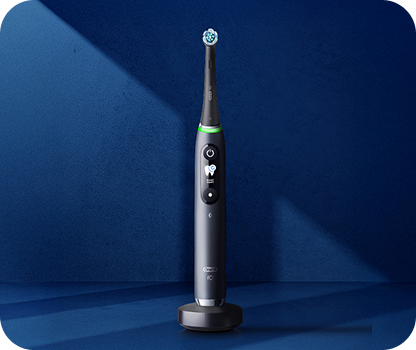
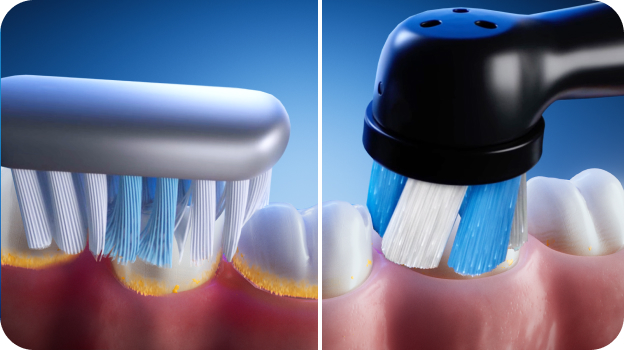
- Brush 2X/day with an Oral-B iO Electric Toothbrush: When compared to a regular manual toothbrush, electric toothbrushes like the Oral-B iO help remove up to 100% more plaque—the main culprit of tooth decay such as a cavity.
- Use a Crest Fluoride Toothpaste: To help neutralize plaque bacteria, brush with a Crest stannous fluoride toothpaste, such as Crest Pro-Health Advanced. Its formula provides long-lasting protection against plaque, gingivitis, cavities, and tartar to reduce your risk of tooth decay and gum disease while also promoting a healthier mouth and support the dental work that has been done.
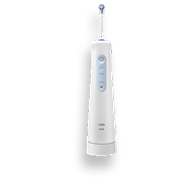
- Pair String Floss with an Oral-B Water Flosser: Cleaning around dental work such as bridges, crowns, and implants can help reduce plaque bacteria buildup. A water flosser gently washes away leftover plaque and food debris for healthier teeth and gums.
- Rinse with a Crest Mouthwash: Root canals involve the removal of infected tooth nerves or pulp; the area is then sealed off often accompanied by a crown. Support a clean and healthy environment after a root canal by swishing with an antibacterial rinse.
- Brighten Up with an Oral-B + Crest Whitening Bundle: Veneers, in-office whitening treatments, and bonding help address tooth stains. By adhering to a daily at-home whitening routine equipped with a whitening brush head, whitening toothpaste, and a whitening mouthwash you can help keep surface stains away while maintaining a brighter, more polished smile.
Pair professional dental procedures with a personalized at-home oral care routine of brushing twice daily, flossing at least once a day, and rinsing with an antibacterial mouthwash, you can better support the long-term success if your treatment for a healthier, more confident smile.