Summary
Dental implants are a popular way to replace missing teeth due to their natural appearance and long-term benefits. But an increasingly popular alternative is the mini dental implant, which is smaller and often more affordable. Mini dental implants offer several advantages, especially for patients who may not be candidates for traditional implants. But like any treatment, they come with their own benefits, drawbacks, and considerations. So let’s explore what mini dental implants are, their pros and cons, associated costs, and tips for maintenance.
What Are Mini Dental Implants?
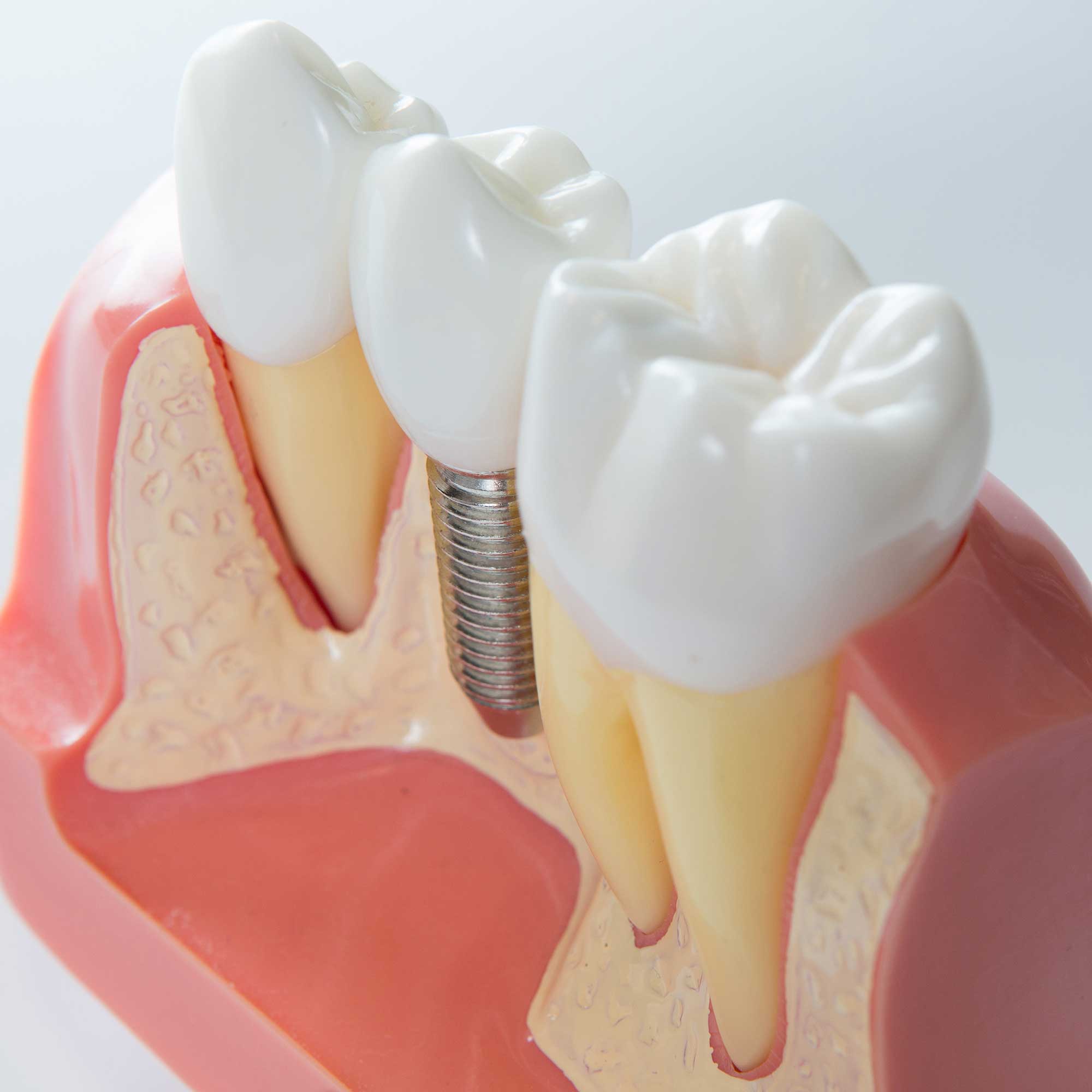
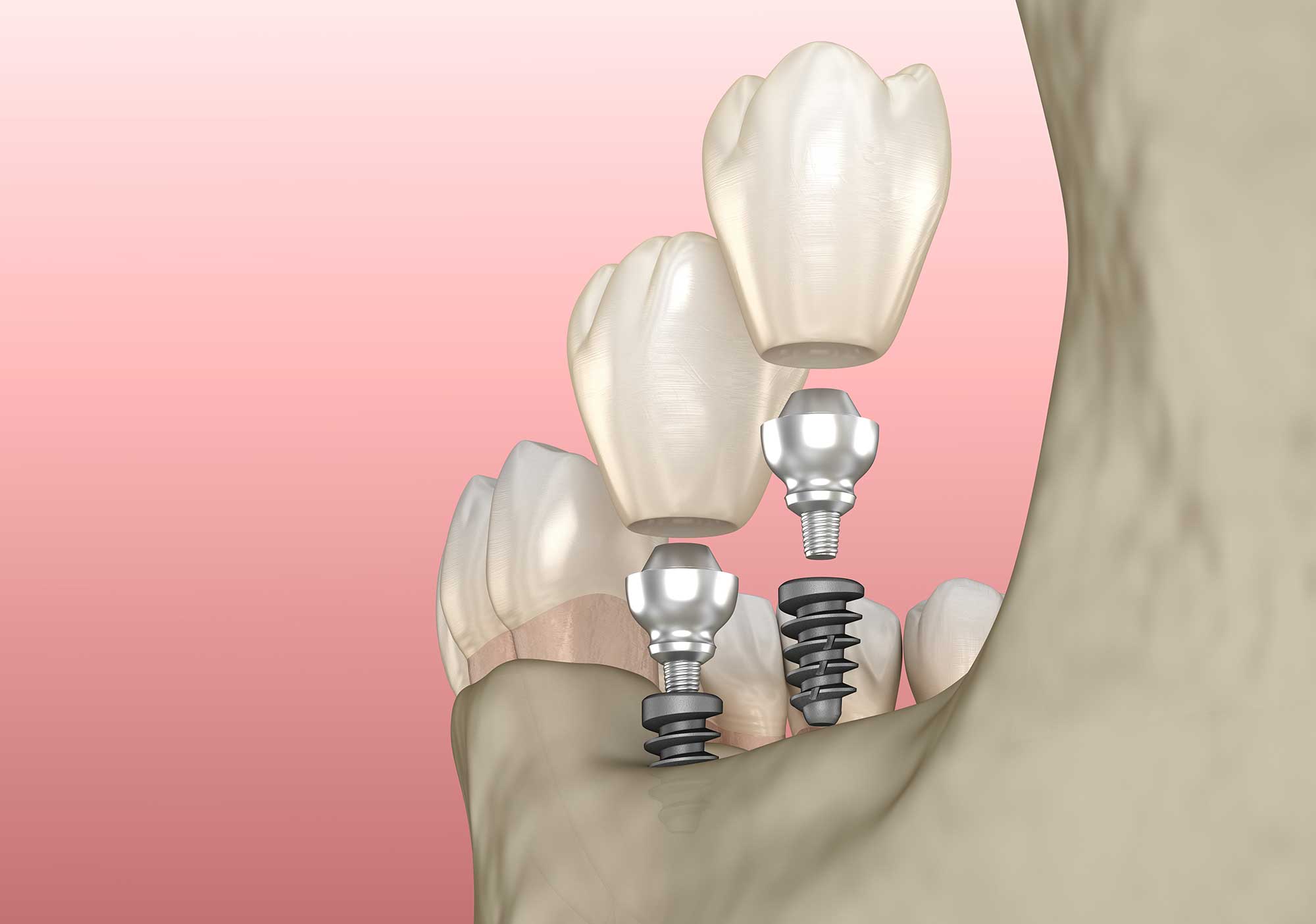
Mini dental implants are essentially a smaller version of traditional dental implants designed to replace missing teeth or secure dentures. They consist of a titanium post, less than 3 millimeters in diameter, that serves as an artificial root for a missing tooth. The post is anchored into the jawbone, and once it integrates with the bone (a process known as osseointegration), a crown, bridge, or denture can be attached.
Unlike traditional implants, which usually require a larger post and more extensive surgery, mini dental implants are narrower, about 1.8 to 3 mm in diameter vs the 3.5 to 6 mm of regular implants.
Due to their smaller size, mini dental implants are often used for patients who may not have enough bone density for regular implants which often eliminates the need for bone grafting procedures. They also are used to replace smaller teeth, such as incisors and premolars.
Benefits of Mini Dental Implants
- Minimally Invasive Procedure
One of the biggest selling points of mini dental implants is that the procedure is less invasive compared to traditional implants. Because the post is smaller, with a diameter often compared to a toothpick, it requires less drilling and less disruption to the surrounding tissue. The placement process is minimally invasive and often requires no incisions or stitches. This means recovery for mini dental implants tends to be quicker and less painful vs that of traditional dental implants.
- Faster Treatment Time
Traditional implants require multiple visits and can take several months for the entire process, as the implant needs to integrate with the bone before a crown or bridge can be attached. Mini implants, on the other hand, can often be placed in a single visit and are typically ready for use in a much shorter time frame.
- Lower Cost
Mini dental implants tend to be less expensive than traditional implants, costing between $500 and $1,500 per implant. This makes them an attractive option for patients looking for a more budget-friendly alternative. While cost can vary based on the location and specific treatment plan, mini implants generally offer a more affordable solution without compromising too much on quality.
- Suitable for Limited Bone Density
For individuals with less bone density, the compact design of mini dental implants can be placed in areas with insufficient bone mass. This eliminates the need for bone grafting procedures and provides a solution where traditional implants might not be suitable. By integrating with the jawbone, the implant helps prevent the bone loss that typically occurs after a tooth is lost, thereby preserving the jawbone's integrity.
- Improved Functionality and Appearance
Just like traditional implants, mini dental implants can significantly improve a person's ability to eat, speak, and smile with confidence. They are custom-designed to match the surrounding teeth and create a natural appearance.
Drawbacks of Mini Dental Implants
- Not Suitable for All Cases
While mini dental implants are versatile, they’re not right for everyone. Patients with extensive bone loss or those who require implants to replace larger teeth may not be ideal candidates. Because mini implants are smaller, they may not offer the same stability and support as traditional implants in more complex situations.
- Long-Term Durability Concerns
Although mini implants can be effective, some dental professionals have raised concerns about their long-term durability compared to traditional implants. The smaller size means they may be more prone to wear and tear over time, especially if the patient has a history of teeth grinding or other dental issues that put strain on the implant.
- Limitations in Design and Placement
Mini dental implants are typically used for replacing smaller teeth or securing dentures in place. For larger teeth or when a full implant is necessary, they may not provide the same functionality or aesthetic results as their traditional counterparts. Those patients may still need to opt for traditional implants.
- Potential for More Frequent Maintenance
While mini dental implants generally require less invasive surgery, they can sometimes require more frequent maintenance and check-ups. Since they are smaller, they may be more susceptible to issues such as loosening, and the crowns or dentures attached to them may need adjustments over time.