What to Expect During Teething?
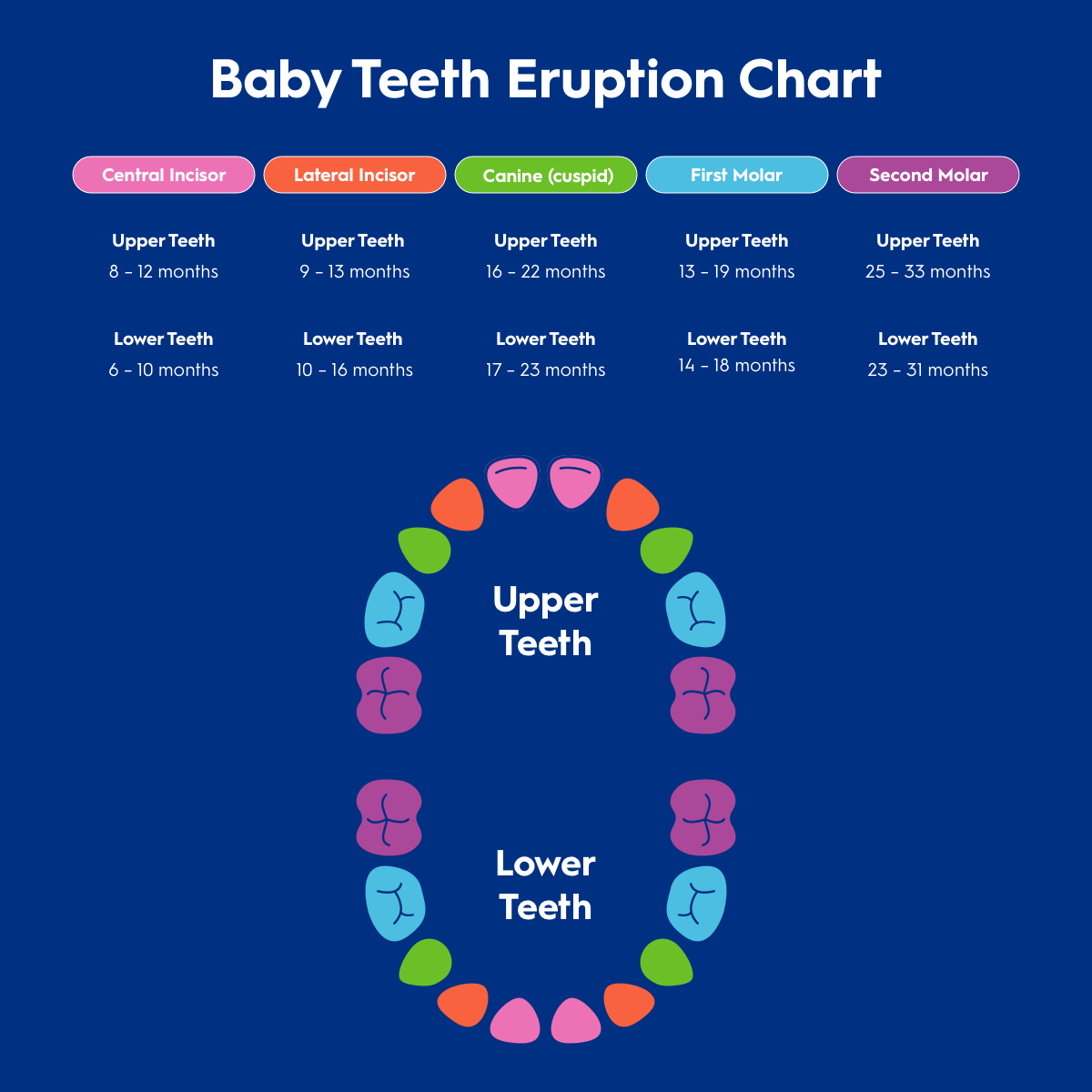
Teething is a major milestone in your little one's development, but it's not without its challenges. As baby teeth, or deciduous teeth, begin to erupt from the gumline your baby may face some discomfort and changes to their daily routine.
Here's what to expect when baby starts teething:
- Extra drool: Your baby will produce more saliva during the teething phase. This can lead to teething or drool rash. Make sure to keep your little one's sensitive skin clean and dry during this stage.
- Fussiness: Crankiness and irritability go hand-in-hand with teething as your little one may experience some discomfort, specifically with their tender gums.
- Sleep disruptions: With less distractions to help take their minds off of their sore gums, teething babies tend to get fussier at nighttime.
- Tender gums: Teething gums are redder and more swollen in appearance and can be sensitive to touch.
- More chewing: Your baby may chew on more objects to seek out teething relief as they try to lessen some of the pressure on their gums.
How to Soothe a Teething Baby
Fortunately, there are a few soothing tips you can try to help your little one through this stage:
- Massage gently: Use a clean finger to softly rub along the gums.
- Offer a teether: A chilled, not frozen, firm teething ring with ridges that your baby can chew on, can help soothe their teething gums.
- Brush softly: Gently clean and massage your little one's gums with a soft-bristled baby toothbrush.
- Diet considerations: Cool, soft foods like yogurt and chilled water can help ease some of the discomfort.
- Visit a professional: Speak to your pediatric medical professional to see if over-the-counter pain medication, like acetaminophen, can help.
- Distract them: Distraction can work wonders for your little one! Take them to the park, read an exciting book, or play with their favorite toy to help take their mind off of teething symptoms.
When to Start Brushing Baby Teeth?
It is recommended that you start brushing your baby's teeth as soon as that first tooth erupts. Use an extra-soft bristled toothbrush to gently clean your baby's teeth and tender gums.
The Oral-B and Crest Baby Training Toothpaste and Toothbrush Kit features a manual toothbrush with extra-soft bristles for a gentle clean and a mild strawberry flavored toothpaste that's free of artificial flavors, sodium lauryl sulfate, sweeteners, and dyes.
Caring for Baby's First Teeth
Brushing baby, or deciduous teeth, is just as important as caring for adult teeth as they set the tone for a healthy foundation. Baby teeth are needed for speech development, eating, and jaw formation.
Follow these steps when caring for your little one's new smile:
- Gently wipe away plaque and bacteria from your baby's gums after each feeding with a damp washcloth.
- Gently clean baby's gums and teeth with a baby toothbrush equipped with extra-soft bristles.
- Visit a pediatric dental professional as soon as that first baby tooth comes in or by the age of 1 to make sure your little one's teeth and jaw are developing correctly. They may also offer personalized recommendations to help support a healthy smile for your baby.
When Do Adult Teeth Come In?
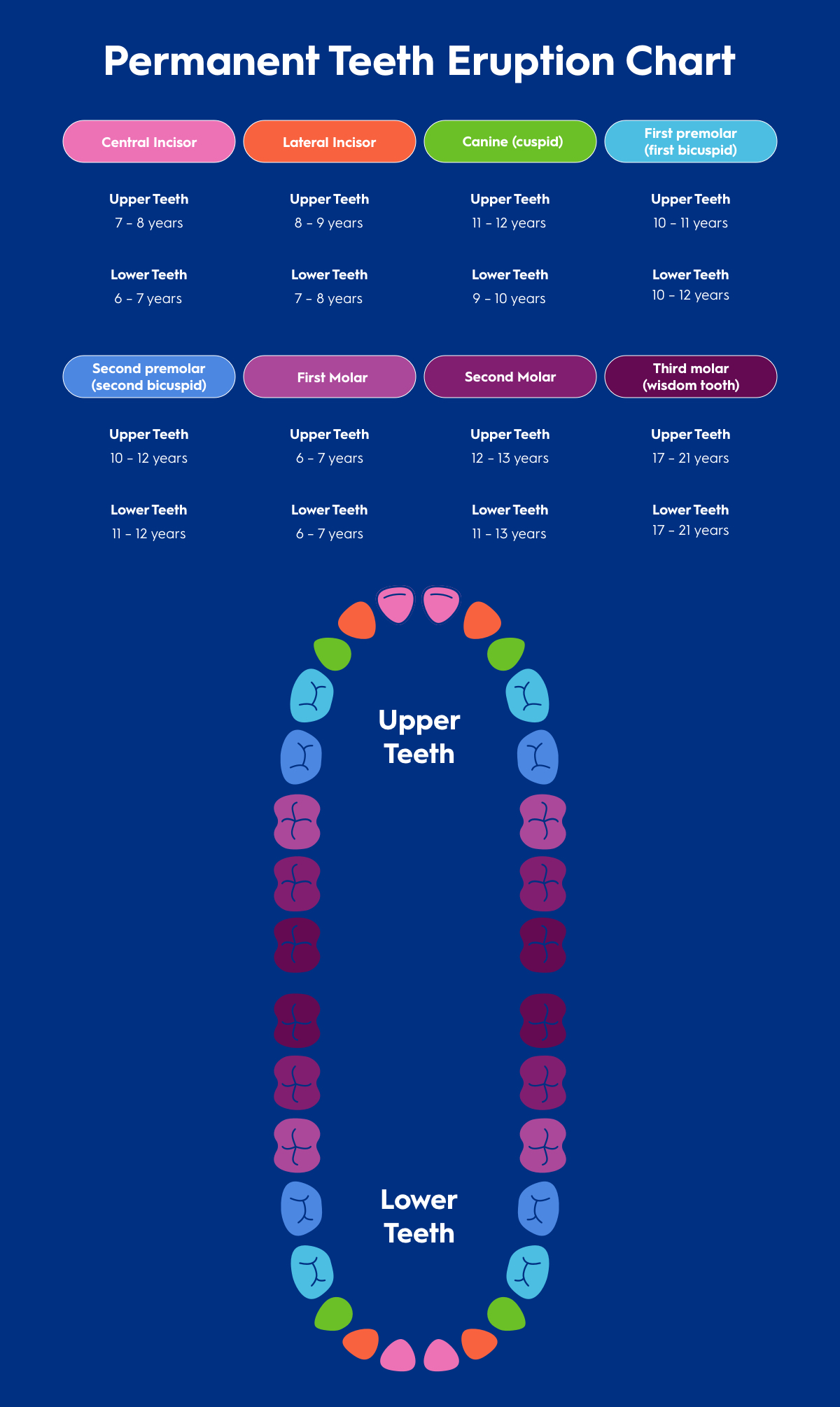
The first adult molars start to come in around age 6.
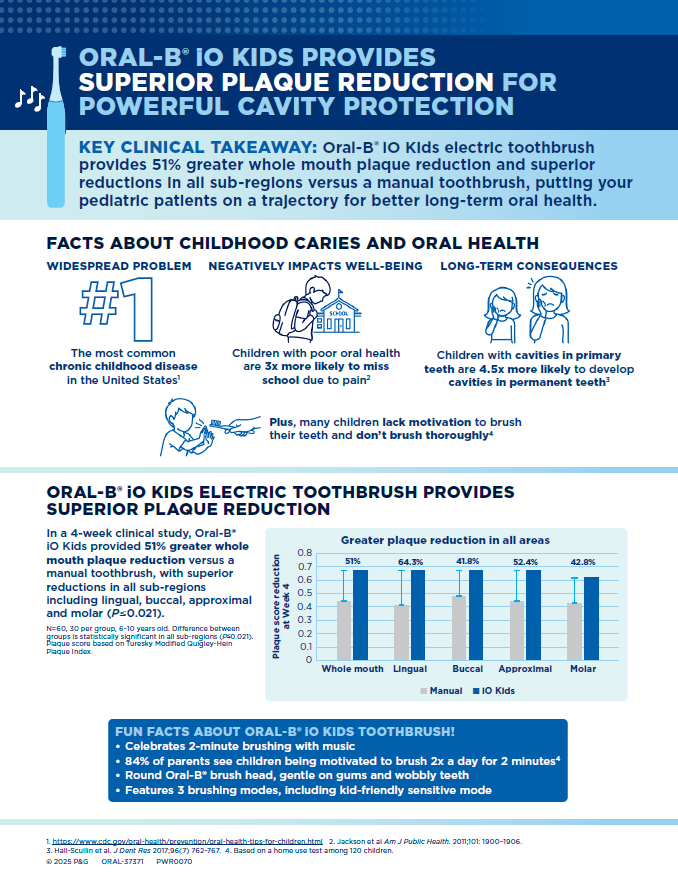
At this stage, it's important for them to brush with a fluoridated toothpaste for more plaque removal to better fight off cavities. Kids under 3 years old, use a small amount of fluoridated toothpaste, about the size of a grain of rice. For kids 3+, use a pea-sized amount of fluoridated toothpaste. ADA-approved Crest Kids Advanced Color Changing Toothpaste changes from blue to pink to help kids brush the dentist-recommended 2 minutes. Plus, it's the best protection for kids from Kid's Crest, the #1 kids' toothpaste brand in America.
By the time your child reaches the age of 13, most of their adult teeth should have fully emerged with the exception of third molars, or wisdom teeth. Expect those to appear during the late teenage years or early twenties.