






Yellow Teeth: Causes, Treatments, and Prevention

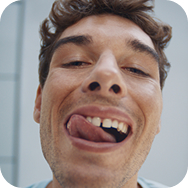
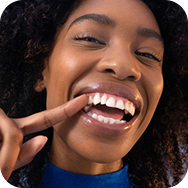
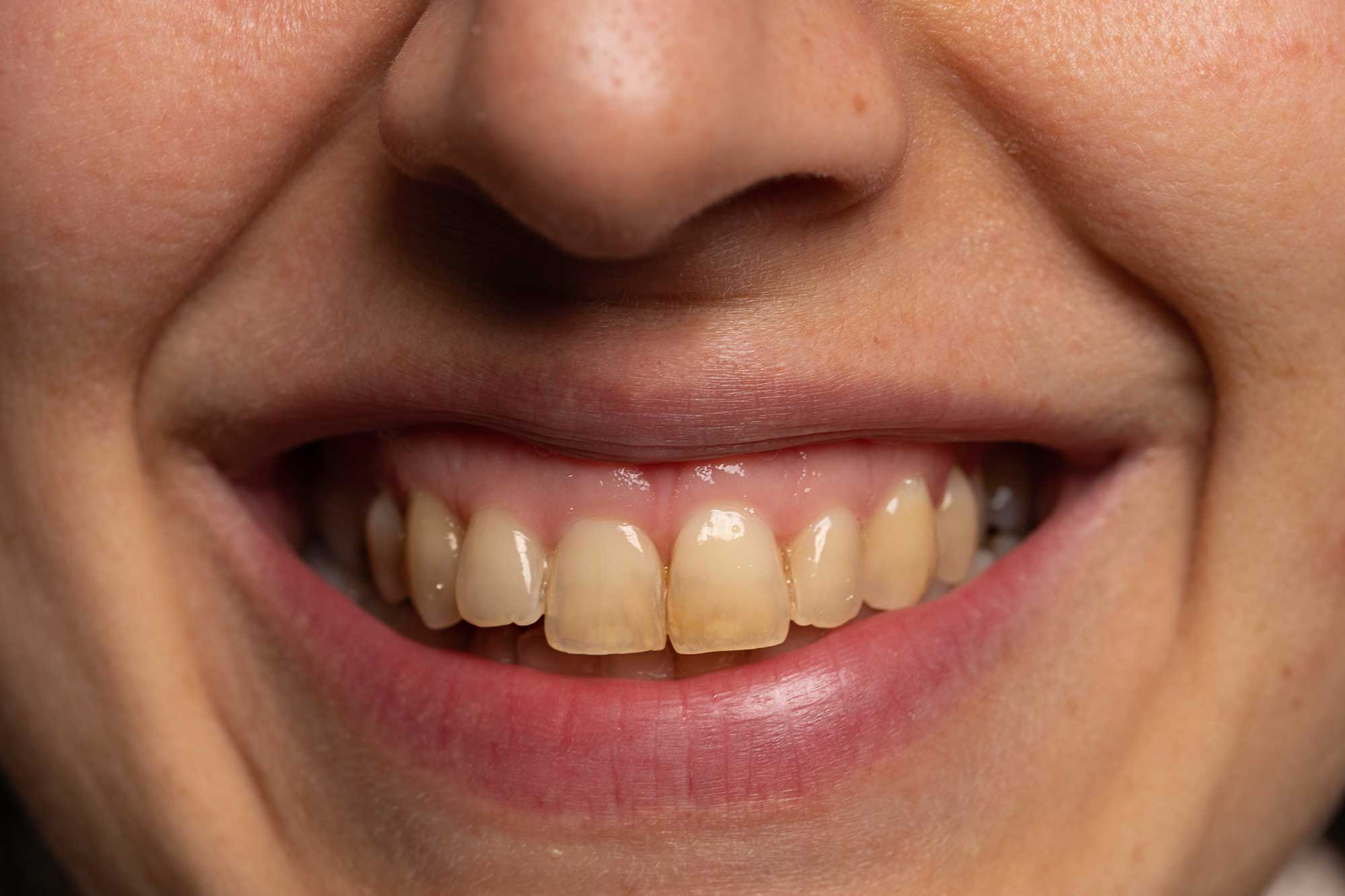
Close up of someone smiling, showing their yellow stained teeth
Last Updated : December 11, 2025

Summary

A bright, white smile is often associated with good health and confidence. However, many people experience yellowing of their teeth over time. While it’s a common issue, understanding the causes, exploring treatment options, and adopting preventive measures can help you maintain a bright, radiant smile—or get it back. Many people go to a dentist or dental hygienist for professional whitening treatments, but these days, there are also several effective measures you can do yourself at home.

Key Takeaways

  • Brush and floss regularly to remove plaque and prevent staining
  • Limit consumption of staining foods and drinks. Rinse your mouth after consuming them
  • Quit smoking to prevent tobacco-related discoloration
  • Visit your dentist or dental hygienist regularly for cleanings and to address any dental issues
  • Consider professional whitening treatments for more significant discoloration

Table of Contents

drlee-image

This blog has been reviewed and approved by Dr Robert Lee, a dental professional of 35 years

LEARN MORE >

Key Takeaways

What Causes Yellow Teeth?

Several factors can contribute to yellowing teeth, from poor oral hygiene to diet to medications:

  • Poor Oral Hygiene: Inadequate brushing and flossing can lead to plaque buildup, which may harden into tartar, a yellowish substance that can stain teeth.
  • Diet and Beverages: Certain foods and drinks are known to stain teeth. Coffee, tea, red wine, and dark-colored sodas contain pigments that can adhere to tooth enamel. Even seemingly harmless items like berries, pasta sauce, and balsamic vinegar can contribute to discoloration.
  • Tobacco Use: In addition to all the other ways tobacco is harmful to your body, smoking or chewing tobacco introduces nicotine and tar into the mouth, which can cause yellow or brown stains on teeth.
  • Aging: As people age, enamel—the protective outer layer of teeth—naturally wears down, revealing the yellowish dentin beneath. So, the older you get, the more you might want to pay attention to the color of your teeth.
  • Medications: Certain medications, such as tetracycline antibiotics, can cause tooth discoloration when taken during tooth development.
  • Fluorosis: While typically associated with white spots or streaks on teeth, more severe cases of dental fluorosis from excessive fluoride exposure during childhood can also cause brown spots and enamel pitting, contributing to an uneven, discolored appearance.
  • Trauma: Injuries to teeth can disrupt enamel and dentin structure, leading to discoloration.

Treatment Options for Yellow Teeth

If you're concerned about yellow teeth, several treatment options are available. They range from simple treatments you can do at home and stronger professional options that are available through your dentist or dental hygienist.

  • Whitening Toothpastes: These contain mild abrasives and chemicals that help remove surface stains. Note that they may not be effective for deep-set (intrinsic) discoloration.
  • Over-the-Counter Whitening Products: Whitening strips and gels can help lighten teeth. They typically contain hydrogen peroxide, which breaks down stain molecules, and are readily available at stores and pharmacies.
  • Professional Whitening Treatments: Dentists and dental hygienists offer stronger whitening treatments, such as bleaching procedures. These can provide more significant and longer-lasting results, although they often come with an increased commitment of time and expense.
  • Veneers: These are thin shells placed over the front of your teeth. For severe discoloration, veneers can provide a durable, long-lasting cosmetic solution.

Preventing Yellow Teeth

Adopting good oral hygiene practices and making smart lifestyle choices can help prevent the yellowing of teeth.

  • Brush and Floss Regularly: Brush your teeth at least twice a day with fluoride toothpaste. Floss daily to remove plaque and food particles. Anything that can promote plaque can also promote yellowing.
  • Rinse After Eating: Swish water around your mouth after consuming foods or drinks that tend to stain teeth. This will help remove pigments before they adhere to your teeth.
  • Limit Staining Foods and Drinks: Reduce the intake of foods and beverages known to stain teeth, such as coffee, tea, red wine, berries, and dark sauces.
  • Use a Straw: When possible, using a straw to drink beverages like coffee, tea, or soda can help minimize their contact with your teeth, reducing the risk of staining.
  • Quit Smoking: Avoiding tobacco products can prevent yellowing and improve overall oral health
  • Regular Dental Checkup: Visit your dentist or dental hygienist regularly for cleanings and checkups to get your teeth a deep cleaning, maintain oral health, and address any issues promptly

Summary

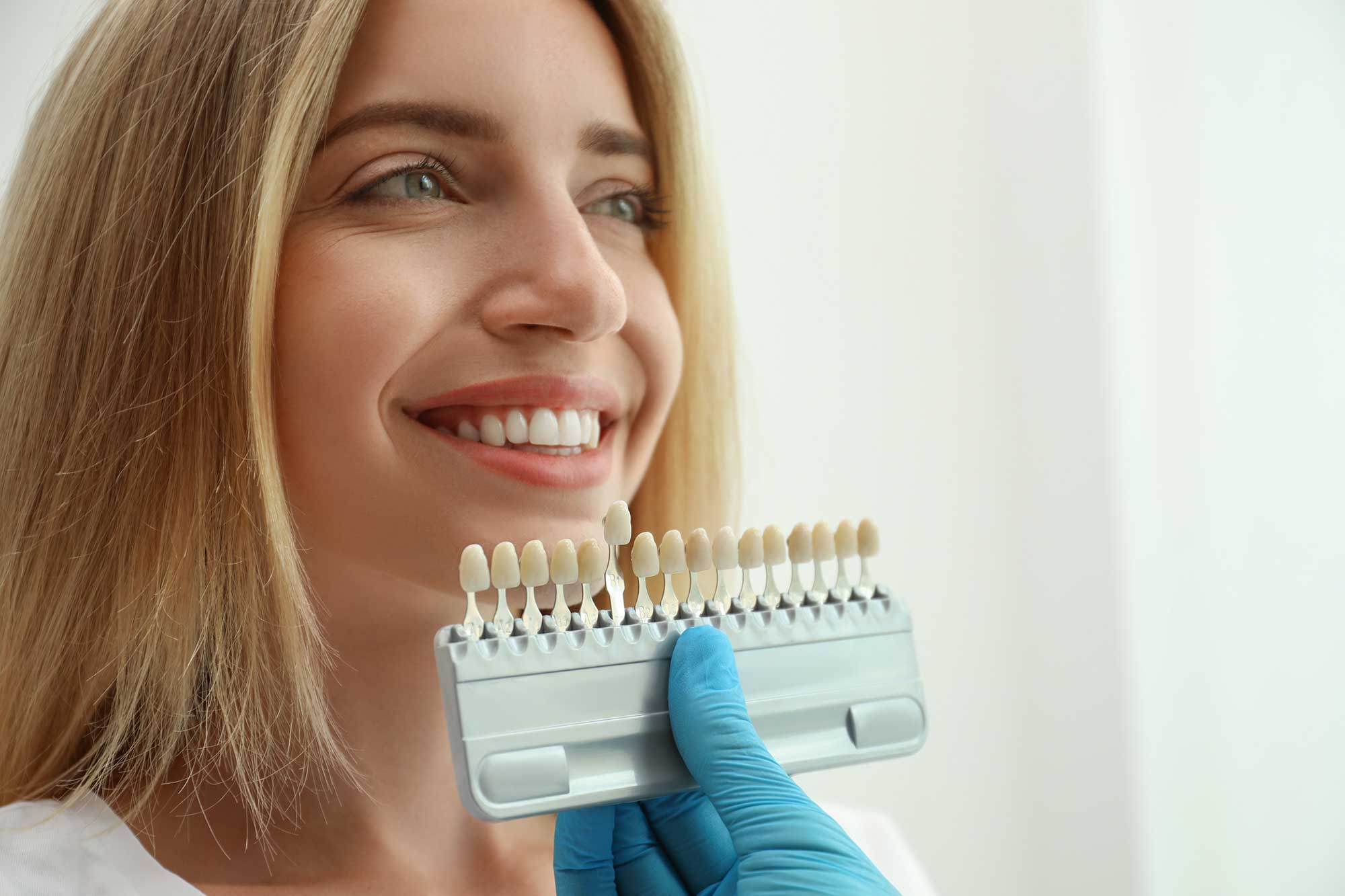
Woman in a dentist’s office getting teeth color matched image

Yellowing of teeth or yellow spots on teeth is a common concern. Yellowing can be caused by various factors, including oral hygiene habits, diet, tobacco use, aging, medications, and trauma.

There are several treatments to reverse teeth yellowing and get them white again. These include treatments you can do for yourself at home, including whitening toothpastes and whitening strips and gels. They are readily available at stores and pharmacies.

You can also consult with your dentist about stronger professional treatments. Dentists offer in-office treatments, such as professional-strength bleaching procedures, that provide more noticeable results.
They can also place veneers, which are the most effective solution for severe discoloration.

While home treatments and professional procedures can help, prevention through good oral hygiene—brushing and flossing regularly—and making smart lifestyle choices, such as not smoking and limiting foods and drinks that can stain your teeth, are key to maintaining a bright smile.

Oral Health and Whiter Teeth Go Hand in Hand

Most people wish their smile was brighter. In fact, over 50% of dental patients want whiter teeth. The same treatments that help whiten your smile also provide additional benefits to help improve your oral health. Many effective at-home options provide teeth whitening, stain removal, along with maintenance of whitened teeth.

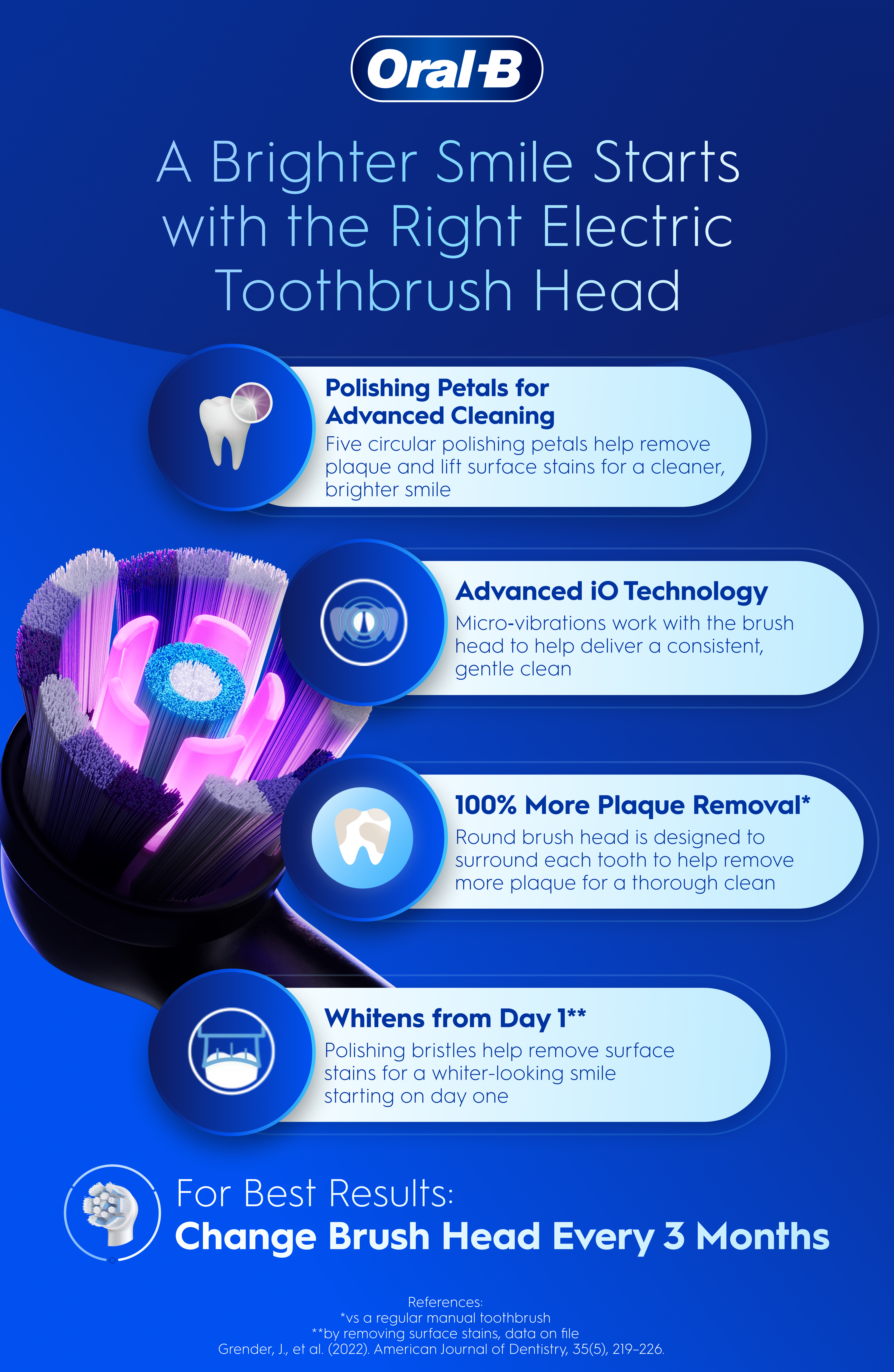
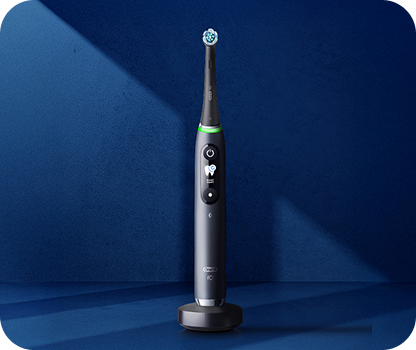
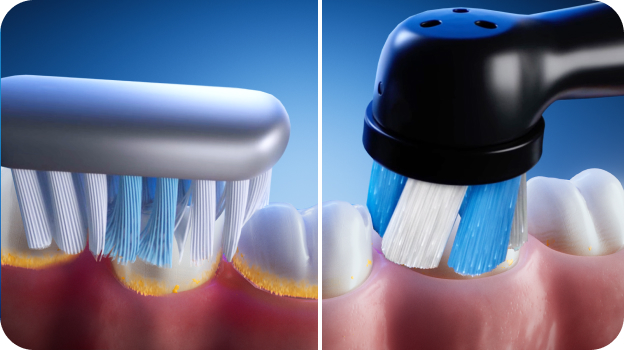
  • Some Oral-B iO electric toothbrushes come equipped with a whitening mode that delivers micro-vibrations to the tip of each bristle to loosen and remove stains and plaque and reveal a brighter smile.
  • Oral-B iO Ultimate White replacement brush heads feature five polishing petals for advanced cleaning and whitening starting day 1*.
    *whitens by removing surface stains
  • Crest Whitening Toothpastes use micro-cleansing teeth whiteners to polish away surface stains. Select formulas, like those in the Crest 3D White collection, are designed to remove up to 100% more surface stains in as little as three days versus regular toothpaste.
  • Crest 3D White Glamorous White Multi-Care Whitening Mouthwash helps give you a whiter smile in 7 days when used as directed.
  • Crest 3DWhitestrips Professional Effects is designed to whiten like a professional teeth whitening treatment at home. It makes your teeth up to 18 levels whiter.

FAQs

  • Can teeth be naturally yellow?
  • Are yellow teeth healthy?
  • Does vaping make your teeth yellow?
  • Why are my child’s teeth yellow despite brushing?

Sources


Alkhatib, M. N., et al. (2004). Prevalence of self-assessed tooth discolouration in the United Kingdom. Journal of Dentistry, 32, 561-566. https://doi.org/10.1016/j.jdent.2004.06.002

Al-Zarea, B. K. (2013). Satisfaction with appearance and the desired treatment to improve aesthetics. International Journal of Dentistry, 2013, 912368. https://doi.org/10.1155/2013/912368

Grender, J., et al. (2022). Gingival health effects with an oscillating-rotating electric toothbrush with micro-vibrations and a novel brush head designed for stain control: Results from a 12-week randomized controlled trial. American Journal of Dentistry, 35(5), 219–226.
Link to: https://pubmed.ncbi.nlm.nih.gov/36261400/

Terézhalmy, G., et al. (2016). A Randomized Controlled Clinical Trial to Evaluate Extrinsic Stain Removal of a Whitening Dentifrice. The Journal of Clinical Dentistry, 27(4), 114–117.
Link to: https://pubmed.ncbi.nlm.nih.gov/28116220/

Timm, H., et al. (2023). Superior stain prevention efficacy of an electric toothbrush whitening brush head. Journal of Dental Research, 102, 0934.
Link to: https://iadr.abstractarchives.com/abstract/52am-3820555/superior-stain-prevention-efficacy-of-an-electric-toothbrushwhitening-brush-head

Table of Contents

  • What Causes Yellow Teeth?
  • Treatment Options for Yellow Teeth
  • Preventing Yellow Teeth
  • Summary
  • Oral Health and Whiter Teeth Go Hand in Hand

  • FAQs
  • Sources
drlee-image

This blog has been reviewed and approved by Dr Robert Lee, a dental professional of 35 years

LEARN MORE >

Related Products