



















Contents
- Related Articles
- FAQs

How to Pick an Orthodontist
10 minute read
Last updated 06/2025
Share

First of all, don't wait until you think your child is "old enough" for braces before you start looking for an orthodontist. The American Association of Orthodontists recommends that all kids get a checkup by age 7 to see how their teeth are coming in. Find out the right time to get braces.
However, getting braces means making a big commitment to one orthodontist for several years, so don't be afraid to search around for the best fit, even if you've already had a consult with another doctor at an earlier age. The right orthodontist can make the entire process much easier.
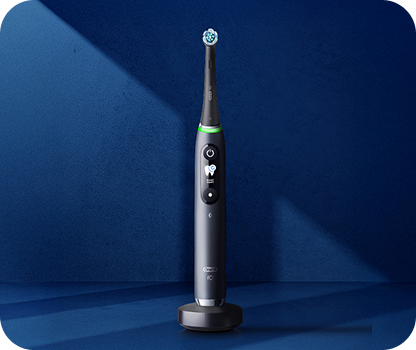
Start by asking your dental professional and friends for personal recommendations. You may also want to consider finding an orthodontist who participates in our Crest + Oral-B OrthoEssentials program. OrthoEssentials provides patients with a full kit, including a power toothbrush from Oral-B and Crest products and gives them easy tools to evaluate how well they're doing with their oral hygiene. It's designed to help keep kids on track between appointments. If this sounds like something you're interested in, click here to find an office participating in the Crest and Oral‐B OrthoEssentials program. Once you've collected a few recommendations, take the time to interview potential orthodontists.
Questions to ask your potential office:
- How many orthodontists work in this office?
Recommended Treatment:
- What's the scope of the plan?
- When is the best time in my child's life for treatment?
- What exactly needs to be done?
- What are my options?
- What will the consequences be if I don't do this treatment now?
Timing:
- How frequent will the visits be?
- How long will the entire process take?
At-home Care:
- How does the office work to emphasize good oral care at home?

Office Hours:
- What are your office hours? (Many orthodontists keep limited hours, which means that working parents have to skip work and kids have to be taken out of school.)
Experience:
- How long have you been in practice?
Finance:
- How much will this cost?
- How is my treatment cost determined?
- Does your quote include all costs from beginning to end?
- Are there additional fees during the treatment?
- What follow-up care, such as retainers, is included after the braces are removed?
- What insurance plans do you accept?
References
- Do you provide references from past or current patients?
In addition to interviewing the orthodontist, be sure to pay attention to the entire office. Do the hygienists seem friendly? Is the office staff easy to work with? Are they flexible about scheduling?
Finally, ask parents of other patients a few questions about their experience. For example:
- Will the doctor spend an extra five minutes with a kid who is a bit careless or impatient to help make their experience better?
- How accessible is the orthodontist and his/her office for advice?
- How do they handle emergencies?
Shop this article
934|966
Science worth a scroll.
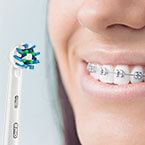
How to Brush Your Teeth and Floss With Braces
Brushing your teeth with braces may seem like a daunting task, but with the right techniques and tools, it becomes a manageable part of your daily routine...
Read more
Finding a Good Dentist
Finding the right dentist for you and your family involves a combination of factors. But it all comes down to the four C’s: Competence, convenience, compatibility and cost...
Read more
Other Tips & Tricks for Living with Braces
Prepare a kit with a toothbrush, toothpaste, and floss (to use between meals), wax, and lip balm (for dry lips). Carry this with you at all times...
Read more
How Much Do Braces Cost?
Depending on the types of braces, getting braces could cost anywhere between $3,000 - $10,000....
Read more
Getting Braces Put On
First, the orthodontist will thoroughly clean and dry your teeth. Next, he or she will apply the bonding glue to your teeth and attach the brackets ...
Read moreFAQs
What is the difference between a dentist and an orthodontist?
A dentist provides general oral health care, including exams, cleanings, fillings, cavity treatment, gum health care, and preventive guidance. Some dentists also provide orthodontic treatment, such as clear aligners or certain types of braces. An orthodontist is a dentist who has completed additional specialty training focused on moving teeth and correcting bite or jaw alignment. For more complex tooth movement or bite concerns, your dentist may refer you to an orthodontist.
How to tell if an orthodontist is good?
A good orthodontist should explain your treatment options clearly, answer your questions, and make you feel comfortable with the recommended plan, timing, and costs. You can start by asking your dentist, family, or friends for recommendations, then look for an office with experience treating cases like yours and clear guidance on how to care for your teeth during treatment. Some orthodontic offices may also offer programs, such as Crest + Oral-B OrthoEssentials, that provide oral care tools and education to help support brushing and hygiene habits with braces.
Should I get a second opinion for braces?
A second opinion can be helpful if you are unsure about a braces treatment plan, cost, timing, or whether another option might fit your needs. Another dentist or orthodontist can review your teeth, bite, and treatment goals and explain possible approaches. This can help you feel more informed and comfortable before starting treatment.
What should I look for in an orthodontist's office?
Look for an orthodontist’s office that feels clean, organized, and welcoming, with a team that explains treatment options, timing, costs, and home-care instructions clearly. It can also help to ask about the office’s experience with cases like yours, available payment options, and how they handle questions or concerns between visits. Patient reviews and before-and-after examples may provide helpful context, but they should be considered alongside an in-person consultation and your dental professional’s guidance.
Can I switch orthodontists in the middle of treatment?
Yes, you can switch orthodontists during treatment, but it is important to understand how the change may affect your timeline, costs, and treatment plan. Before switching, ask your current office about transferring records and consult with the new orthodontist so they can review your progress and explain any changes they may recommend. If you are moving, have concerns about your care, or need a better fit for your schedule or needs, switching may be an option.
