When it comes to taking care of your teeth, brushing and flossing are simple, yet essential, steps in maintaining good oral hygiene. We’ve all been told by our dentist or dental hygienist to brush and floss daily, but you might wonder whether you should floss before or after brushing. Does it really make a difference? It turns out there are benefits to both methods, so there is a bit of a debate. So let’s explore the best practices for flossing and brushing, providing you with science and some practical advice to help you decide what will best leave your mouth healthy and feeling fresh.
Read more
A daily routine of flossing helps remove plaque and food particles from between your teeth and under the gumline, areas your toothbrush can't effectively clean. By keeping up with this important task, you reduce the risk of cavities and gum disease. The bacteria in your mouth are constantly forming a sticky film of plaque.
Read more
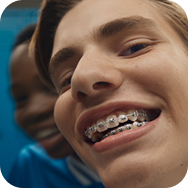
Flossing with braces can feel like a daunting task, but it's essential for maintaining good oral health. Orthodontic treatments can take years, and keeping your teeth and gums clean during treatment is vitally important. Proper flossing helps prevent plaque buildup, gum disease, and even cavities around your brackets. It also helps ensure your smile stays healthy and bright. While the process may seem challenging at first, with the right techniques and tools, it becomes a manageable part of your daily routine.
Read more
Brush twice a day and floss at least once daily to remove more of the plaque bacteria that contributes to tooth decay, cavities, and gum disease. The order of which you brush or floss in is entirely up to you.
Read more
Over the years, anthropologists have found evidence that ancient people used various implements such as pointed sticks for interdental cleaning.
Read more
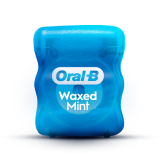
Choosing a dental floss is as individual as choosing any other personal hygiene product. If you have trouble sliding floss through your teeth, you may prefer waxed floss. But if you have more space between your teeth, or if you don’t care for the feel of waxed floss, then opt for unwaxed floss. Either waxed or unwaxed floss will do the job of removing plaque buildup from your teeth. For best results, be sure to use a fresh section of floss as you move from one tooth to the next. Otherwise, you may redeposit bacteria-carrying particles that you removed from one tooth onto the neighboring tooth!
Read more
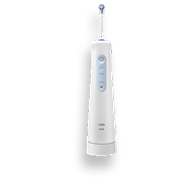
There are many types of dental floss and there is no one “right” floss for everyone. In fact, there’s no reason why you can’t have several types of floss and flossing products on hand. A small container of nylon dental floss or dental tape is great for a purse, pocket or carry-on travel bag. A mint-flavored floss can be a great choice to use when you’re traveling so you don’t have to carry a bottle of mouthwash. And when you’re at home, you can treat yourself to your electric flosser.
Read more
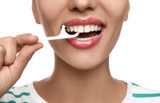
Are you frustrated when using standard dental floss? Do you find long pieces of floss difficult to handle, especially when you’re reaching behind your back teeth? If so, you’ll be glad to learn that there are other ways to floss your teeth. A dental floss pick is a small plastic tool with a curved end that holds a piece of dental floss. And there’s a bonus—the other end of a floss pick features a small plastic pick that can be used instead of a wooden toothpick to remove large food particles that can get caught along the gum line or between the teeth.
Read more
Whitening floss is one the many options now available to you when choosing a dental floss. This is because floss brands are looking to capitalize on the increasing popularity of products that will help whiten your teeth, such as whitening toothpastes like Crest 3DWhite Deep Stain Remover, and whitening mouthwash.
Read more
The choices for a product as basic as dental floss can seem overwhelming, but you can’t go wrong with a choice of floss as long as you use it every day.
Read more
You should start flossing your children’s teeth even when they have only their baby (primary) teeth. Once a child’s teeth start to fit closely together, usually between the ages of two and six, parents should start to get their children in the habit of flossing daily. As they develop dexterity, you can help them learn to floss. Children usually develop the ability to floss on their own around the age of 10.
Read more
Flossing is a vital part of maintaining good oral hygiene. In tandem with brushing, it helps prevent cavities, gum disease, and bad breath, and can even contribute to overall health. But doing it properly and thoroughly is important. By following the proper technique and incorporating flossing into your daily routine, you can enjoy a healthier smile and better well-being.
Read more
Need another reason to floss your teeth at least once a day? Flossing daily helps improve bad breath by effectively removing the food particles and bacteria that contribute to it. That makes flossing one of the easiest ways to prevent and banish bad breath. Bad breath, also known as halitosis, is more co
Read more
Flossing is one of those daily tasks that feels optional, so oftentimes it gets skipped. But that thin string does some big things. It gets to places your toothbrush can't, lifting out plaque and food bits hiding between teeth and along the gum line. Consistent flossing keeps your gums healthy and might even protect your heart. Once you get the hang of it, flossing will be a few simple minutes of your daily routine to protect your teeth and health. So, let’s learn the right way to floss, common mistakes, and helpful tools so you can make flossing an easy habit you’ll never skip.
Read more