Flossing Before Brushing: What’s the Benefit?
Flossing before brushing can offer several advantages. One of the primary benefits of flossing first is that it removes food particles, plaque, and debris from between your teeth. Once these particles are dislodged, brushing afterward can help to more effectively clean the surfaces of your teeth, ensuring that no remnants are left behind.
A 2018 study published in the Journal of Periodontology found that flossing before brushing can help reduce plaque buildup and improve overall oral hygiene. Flossing first may also increase fluoride exposure to the spaces between your teeth. When you brush after flossing, the fluoride from your toothpaste can better reach those hard-to-clean spots between your teeth, helping to strengthen the enamel and fight cavities.
Flossing first also helps to gently clean the gumline. This action helps remove plaque buildup at the edge of the gums, which is key to reducing inflammation and improving overall gum health over time. By removing debris from between your teeth first, you create a cleaner surface for your toothbrush to work on.
In addition, flossing before brushing can improve the overall feel of your mouth. Removing food particles and plaque with floss first means that when you brush, you’re not just spreading debris around your mouth—you’re brushing a cleaner surface, which results in a fresher, cleaner feeling.
Flossing After Brushing: What’s the Advantage?
On the other hand, many people prefer to floss after brushing their teeth. The main benefit of this order is that brushing first helps remove a lot of the plaque and bacteria from the surfaces of your teeth, making it easier to floss effectively. If your teeth are already cleaner, flossing afterward may be a more focused approach to cleaning the areas between your teeth, ensuring that you’re removing any remaining debris.
Flossing after brushing can help to dislodge any remaining bits of plaque or food that were left behind during brushing. This can be particularly helpful if you have tight spaces between your teeth. Getting rid of any leftover debris can further reduce your risk of cavities and gum disease.
Flossing after brushing might also be beneficial for gum health as you’re sweeping away any leftover plaque from the gum line, which helps prevent the development of gum disease (gingivitis). This is very important for preventing gum inflammation (gingivitis). If you notice bleeding when you floss, it's often a sign that plaque has accumulated at the gumline, and consistent, gentle flossing is needed to help restore your gums to health.
So, Which One Is Better—Before or After Brushing?
Ultimately, the order in which you floss and brush depends on what works best for you. Looking at the research and expert opinions can help you decide. One study in the International Journal of Dental Hygiene shows no difference between flossing before or after brushing for plaque removal. The American Dental Association (ADA) says as long as you floss thoroughly, it doesn’t matter when you do it. The most important thing is to make flossing a daily habit. The benefits of flossing far outweigh any benefits of timing.
Flossing before brushing helps dislodge plaque and food particles, giving your toothbrush the best chance of thoroughly cleaning your teeth. By brushing afterward, you are more effectively brushing away the dislodged plaque and food debris. But again, either is by far better than nothing. So, it’s ultimately your call.
Good Oral Hygiene Starts with Oral-B
Healthy gums are crucial to tooth and mouth health. In the event of gum disease (also known as gingivitis), the first line of defense is to see a dental professional. They can do a proper examination, determine the level of periodontal disease, and recommend treatments. But there are things you can do to help.
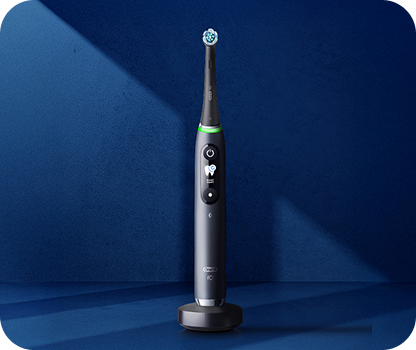
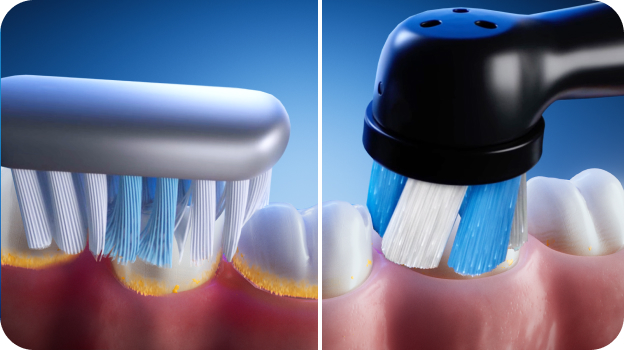
- When you brush with Oral-B iO electric toothbrushes, you can protect your gums from plaque buildup that leads to gum problems. For those susceptible to gum recession, the iO's gentle and effective cleaning, as demonstrated in clinical studies, helps clean effectively without harsh brushing. Oral-B iO helps you avoid new tooth and gum issues—and if you have existing gum problems like gingivitis, it can help improve gum health and reverse the signs of gingivitis for healthier gums.
- The right brush head also makes a big difference in effective cleaning without gum irritation. The Oral-B iO Ultimate Clean brush head removes plaque and has different bristle lengths that reach deep into the spaces between your teeth, where plaque bacteria love to hide. It provides effective cleaning without irritating sensitive areas and gums.
- Many Crest toothpastes, such as those in the Crest Pro-Health line, contain stannous fluoride. This ingredient is known for its antibacterial properties and helps fight the plaque bacteria associated with gingivitis. Pair with an Oral-B iO electric toothbrush to help stop bleeding and heal gums.
- Mouthwash can be an important part of your daily oral health routine. The best mouth rinses, like Crest Mouthwash, are clinically proven to provide 24-hour protection against plaque and gingivitis with 2x daily use.
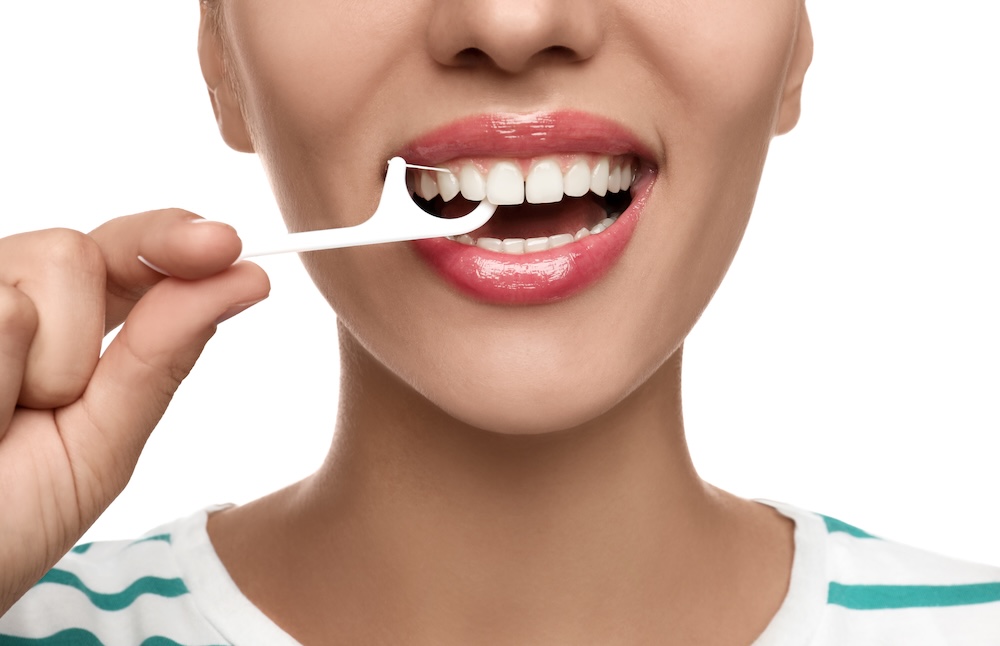
- Dental floss, used daily, helps prevent gingivitis as part of a complete dental plan. Look for floss that can fit more easily into tight spaces, such as Glide Floss.
There is a connection between oral health and systemic health. Oral-B has created a line of products to help a variety of oral health conditions. Because, as a champion of good oral health for all, we know it has other positive health benefits. Research has associated oral health issues with whole body diseases, such as dementia, diabetes, and cardiovascular disease. That’s why, beyond helping with issues such as tooth decay, gum disease, and tooth loss, our products can help prevent and reduce plaque bacteria before they spread to other parts of the body.
Summary
In the end, there isn’t a one-size-fits-all answer to the question of whether you should floss before or after brushing your teeth. Both methods have their advantages, but the key to good oral hygiene is consistently brushing twice a day and flossing at least once. Flossing before brushing may give your toothbrush a cleaner surface to work with, while flossing after brushing may help push fluoride into those hard-to-reach spaces.
Ultimately, the most important thing is that you’re brushing twice a day and flossing once a day regardless of what order you do them in. When you do both correctly, and consistently, you’re helping to prevent cavities, gum disease, and other oral health problems. The best method is the one you’ll stick with. So as long as people are flossing daily, everyone’s a winner.