How Many Times a Day Should You Floss?

Summary
Key Takeaways
- Floss Once a Day. The ADA recommends flossing once daily to remove plaque and particles
- Timing Doesn’t Matter. Whether it’s in the morning or at night, the important thing is to floss consistently
- Proper Technique is Crucial. Use the correct flossing method to get the maximum benefit and avoid damaging your gums
- Consider Alternatives to Floss. If traditional floss isn’t comfortable, there are other interdental cleaning tools to explore.
- Consistency is Key. Make flossing a regular part of your oral hygiene routine for the best results
Table of Contents

This blog has been reviewed and approved by Dr Robert Lee, a dental professional of 35 years
LEARN MORE >Key Takeaways
Recommended Flossing Frequency

- According to the American Dental Association (ADA), flossing once a day is sufficient for most people
- Plaque forms continuously in your mouth and takes about 24 hours for bacteria to organize into harmful colonies. Flossing once daily disrupts this process, preventing plaque buildup and keeping your gums healthy
- A daily flossing routine helps remove plaque and food particles from between your teeth and under the gumline, areas your toothbrush can't effectively clean.
- There is no recommended amount of time for flossing, but it’s important to floss thoroughly between each tooth. This should take about 2-3 minutes
- Regular flossing reduces the risk of cavities and gum disease
Can You Floss More Than Once a Day?
Absolutely. Especially if there are extenuating circumstances that might warrant flossing more frequently. For example, if you notice food particles or plaque accumulating on your teeth between meals. Or if you have dental appliances where food can get trapped more easily, such as braces, bridges, or other dental appliances.
There are a couple of watch-outs. Make sure you're flossing correctly with proper pressure and not too vigorously to avoid irritating your gums.
When Should You Floss: Morning or Night?
- When you floss isn't as important as doing it consistently. Whether you choose to floss in the morning or before bed, the key is to make it a regular part of your routine.
- Some studies suggest flossing before brushing can be more effective. Flossing first loosens debris and plaque, allowing your toothbrush to remove it more thoroughly. However, the ADA states that either order is acceptable, as long as you're thorough.
The Right Technique

Proper flossing technique is crucial to avoid damaging your gums.
- Use the Right Length of Floss
- Cut about 18 inches of floss. This allows you to use a clean section of floss for each tooth
- Grip the Floss
- Wind most of the floss around your middle fingers, and leave an inch or two to work with
- Guide Between Teeth
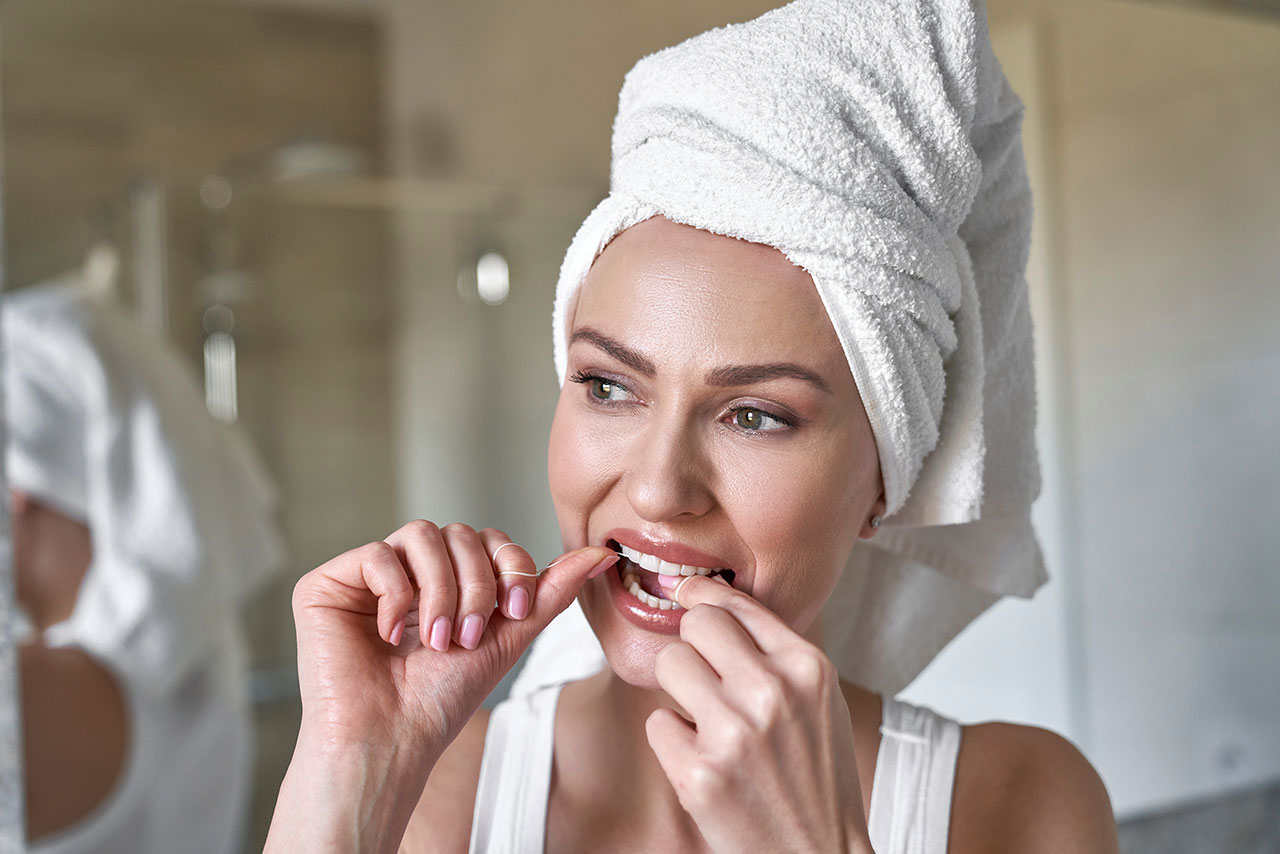
- Hold the floss tightly between your thumbs and forefingers, then gently slide it between your teeth using a rubbing motion
- Never snap the floss into your gums.
- Form a C Shape
- When the floss reaches the gumline, curl it into a C shape against one tooth, then gently slide it into the space between the gum and the tooth
- Clean Both Sides
- Hold the floss tightly against the tooth, slightly away from the gums and gently rub the side of the tooth with an up-and-down motion.
- Repeat this method on the rest of your teeth
- Don't forget the back side of your mouth.
Alternatives to Traditional Floss
If you don't care for traditional floss, there are other methods to clean between your teeth. Discuss the best option for your needs with your dentist or dental hygienist:
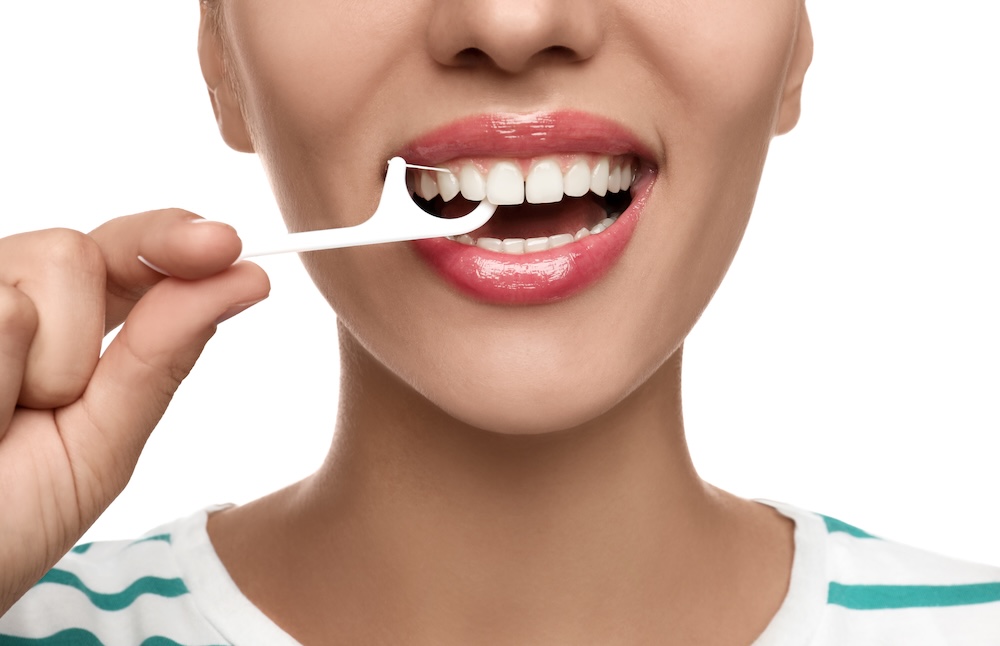
- Floss Picks
Picks are handy for quick use, but might not be as effective as string floss - Interdental Brushes
These are small brushes designed to clean between teeth - Water Flossers
These devices use a stream of pulsating water to remove food particles and plaque - Dental Tape
Tape is thicker than regular floss and is suitable for wider spaces between teeth
Good Oral Hygiene Starts with Oral-B
Healthy gums are crucial to tooth and mouth health. In the event of gum health issues like gingivitis (the earliest stage of gum disease), the first line of defense is to see a dental professional. They can do a proper examination, determine the level of periodontal disease, and recommend treatments. But there are things you can do to help.
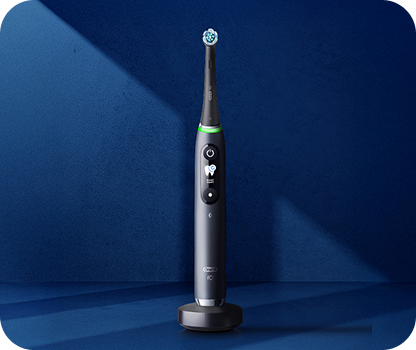
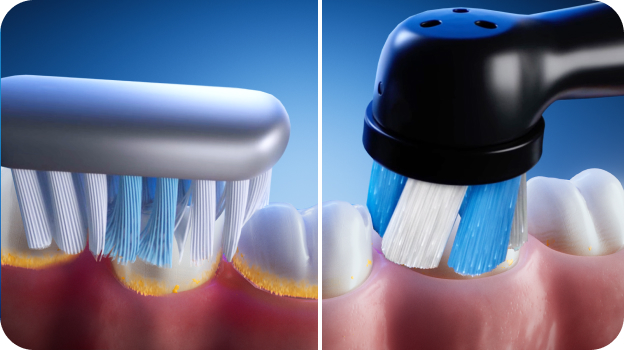
- When you brush with Oral-B iO electric toothbrushes, you can protect your gums and help defend against further recession. Oral-B iO helps you avoid new tooth and gum issues—and if you have existing gum problems, it can help improve gum health by reducing signs of gingivitis quicker than a manual toothbrush.
- The right brush head also makes a big difference in effective cleaning without gum irritation. So, pair your toothbrush with the right toothbrush head, such as the Oral-B iO Gentle Care brush head which contain dentist-inspired soft bristles and optimized bristle patterns that adapt to the curves of the teeth and gums and provide a gentle clean with maximum comfort. It provides effective cleaning without irritating sensitive areas and gums.
- Crest Toothpaste contains stannous fluoride which fights the plaque bacteria that cause gum disease. Pair with an Oral-B iO electric toothbrush to help stop bleeding and heal gums. Mouthwash can be an important part of your daily oral health routine.
- The best mouth rinses, like Crest Pro-Health Multi-Protection Mouthwash, are clinically proven to provide 24-hour protection against plaque and gingivitis with twice-daily use.
- Dental floss, used daily, helps prevent gingivitis as part of a complete dental plan. Look for floss that can fit more easily into tight spaces, such as Glide Floss.
There is a proven link between oral health and overall wellness. Oral-B has created a line of products to help a variety of oral health conditions. Because, as a champion of good oral health for all, we know it has other positive health benefits. Research has associated oral health issues with whole body diseases, such as dementia, diabetes, and cardiovascular disease. That’s why, beyond helping with issues such as tooth decay, gum disease, and tooth loss, our products can help keep your whole body healthy.
Summary
Flossing once a day is generally sufficient to maintain oral health. The goal is to remove plaque and food particles from between your teeth and under the gumline, areas your toothbrush can't reach. By incorporating flossing into your daily routine, you reduce the risk of cavities and gum disease.
Beyond doing it consistently, doing it properly is important. Flossing usually takes around 2-3 minutes. Make sure you’re flossing correctly with proper pressure and not too vigorously. Being gentle will avoid irritating your gums. And if traditional floss isn’t right for you, there are other options such as floss picks, brushes, tape and water flossers.
Remember, consistency is key. Choose a time and routine that works best for you and stick with it. Your teeth will thank you. Not to mention your dentist.
FAQs
-
Is a water flosser better than floss?
-
Is flossing 3 times a week enough?
Sources
- https://www.webmd.com/oral-health/what-is-waterpik
- https://www.mouthhealthy.org/all-topics-a-z/flossing
- https://www.ada.org/resources/ada-library/oral-health-topics/floss
- https://www.mayoclinic.org/healthy-lifestyle/adult-health/expert-answers/dental-floss/faq-20058112
- https://www.healthline.com/health/dental-and-oral-health/how-often-should-you-floss
Biesbrock, A., et al. (2006). Assessment of treatment responses to dental flossing in twins. Journal of periodontology, 77(8), 1386–1391. https://doi.org/10.1902/jop.2006.050399
He, T., et al. (2022). Novel findings on anti-plaque effects of stannous fluoride. American Journal of Dentistry, 35(6), 297–307. https://pubmed.ncbi.nlm.nih.gov/36508185/
Pitchika, V., et al. (2021). Impact of Powered Toothbrush Use and Interdental Cleaning on Oral Health. Journal of Dental Research, 100(5), 487–495. https://doi.org/10.1177/0022034520973952
Sutor, S., et al. (2025). Effect of a powered and a manual toothbrush in subjects susceptible to gingival recession: A 36-month randomized controlled clinical study. International Journal of Dental Hygiene, 23(1), 26–36. https://doi.org/10.1111/idh.12834
Terézhalmy, G. T., et al. (2008). Plaque-removal efficacy of four types of dental floss. Journal of Periodontology, 79(2), 245–251. https://doi.org/10.1902/jop.2008.070345
Zou, Y., et al. (2024). A meta-analysis comparing toothbrush technologies on gingivitis and plaque. International Dental Journal, 74(1), 146-156. https://doi.org/10.1016/j.identj.2023.06.009
Table of Contents
- Recommended Flossing Frequency
- Can You Floss More Than Once a Day?
- When Should You Floss: Morning or Night?
- The Right Technique
- Alternatives to Traditional Floss
- Good Oral Hygiene Starts with Oral-B
- Summary
-
- FAQs
- Sources

This blog has been reviewed and approved by Dr Robert Lee, a dental professional of 35 years
LEARN MORE >
Sign Up
for oral care tips, expert advise, and exclusive offers.
Sign Up
for oral care tips, expert advise, and exclusive offers.