















- Choosing A Dental Floss
- Why Use Floss?
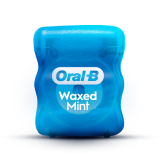
- Benefits of Waxed Floss
- Science worth a scroll.
- FAQs

Waxed Dental Floss: Uses and Benefits
10 minute read
Last updated 08/26
Share

Choosing A Dental Floss
Choosing a dental floss is as individual as choosing any other personal hygiene product. If you have trouble sliding floss through your teeth, you may prefer waxed floss. But if you have more space between your teeth, or if you don’t care for the feel of waxed floss, then opt for unwaxed floss. Either waxed or unwaxed floss will do the job of removing plaque buildup from your teeth. For best results, be sure to use a fresh section of floss as you move from one tooth to the next. Otherwise, you may redeposit bacteria-carrying particles that you removed from one tooth onto the neighboring tooth!
Why Use Floss?
The bottom line is that tooth brushing cleans about three-quarters of the surface area of each of your teeth. You need to use floss, waxed or unwaxed, or some other type of flossing product, to take care of that fourth quarter of space. Any surface area on a tooth is vulnerable to the plaque that forms when bacteria aren’t removed by brushing and flossing.
Benefits of Waxed Floss
Some waxed flosses claim to have additional beneficial properties, such as essential oils or enzymes, meant to make the floss even more effective at removing plaque; but any floss will do, as long as you use it daily. Some feature a polymer coating to help prevent shredding and make plaque removal effortless.
Find out about other benefits of flossing your teeth
Shop this article
1040|783
Science worth a scroll.

How to Use Dental Floss
Flossing is one of those daily tasks that feels optional, so oftentimes it gets skipped. But that thin string does some big things.
Read more
Make Oral Care and Flossing Fun for Kids
Dental health is vital for general health and appearance in childhood and all through life. Preventative dentistry, fighting against oral problems, doesn’t have to be boring; actually, it can be fun. This is an important lesson that all children should learn at an early age to help them get the most out of their oral health routine.
Read more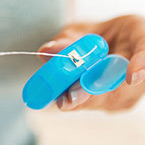
Dental Floss History
Over the years, anthropologists have found evidence that ancient people used various implements such as pointed sticks for interdental cleaning.
Read moreFAQs
Is waxed floss good for teeth?
If you struggle to slide floss between your teeth, try using waxed floss. Conversely, if you have more space between your teeth or prefer the feel of an unwaxed product, go with unwaxed floss. Both types effectively remove plaque buildup.
What is the difference between waxed floss and normal floss?
Waxed floss has a light coating that can help it slide more easily between tight teeth and may make it less likely to shred. Unwaxed floss does not have that coating and may feel thinner. Both can remove plaque when used correctly, so the best choice is the floss you will use every day.
Does waxed floss shred easily?
Waxed floss is designed to be more durable and resistant to shredding compared to unwaxed floss. The wax coating helps reduce friction between the floss and the teeth, making it less likely to fray or shred as you use it.
How often should I use waxed floss?
Dentists typically recommend flossing at least once a day whether your floss is waxed or unwaxed. Daily flossing helps remove plaque and food particles from between your teeth and along the gumline—areas that your toothbrush might miss. This regular habit supports healthy gums and can help prevent cavities and gum disease.
Does waxed dental floss make it harder to remove plaque?
No. Waxed floss should not make plaque harder to remove. Waxed and unwaxed floss can both remove plaque when used correctly. Waxed floss may be easier to slide between tight contacts, while unwaxed floss may work well for people who prefer a thinner feel.
