Treatment and Recovery
Much like the symptoms of the condition, glossitis treatment will depend on the underlying cause of the condition. Doctors may recommend several treatments for the condition, the most common being:
- Medications: In cases where an infection is behind your glossitis, your doctor may prescribe medications such as antibiotics or antifungals as treatment. As median rhomboid glossitis is typically caused by fungal infection, doctors often prescribe medication as median rhomboid glossitis treatment.
- Oral Care: Diseases that cause glossitis can come from the buildup of bacteria within the mouth, meaning proper oral care is vital. Brushing your teeth and tongue twice a day should help minimize the buildup of bacteria and reduce the risk of glossitis.
- Dietary Changes: If deficiencies are the cause of glossitis for you, then your doctor may recommend supplements or dietary changes to balance out levels of vital nutrients.
- Learning and Avoiding Triggers: In cases of chronic glossitis, it is important to recognize triggers/allergens that may be provoking recurrence so you can avoid them.
Long-Term Effects of Glossitis
The duration of glossitis depends on the cause and treatment. While mild cases may resolve quickly, it is important to see a doctor if symptoms are severe, impact your breathing or swallowing, or do not improve.
Power Up Your Oral Routine with Oral-B
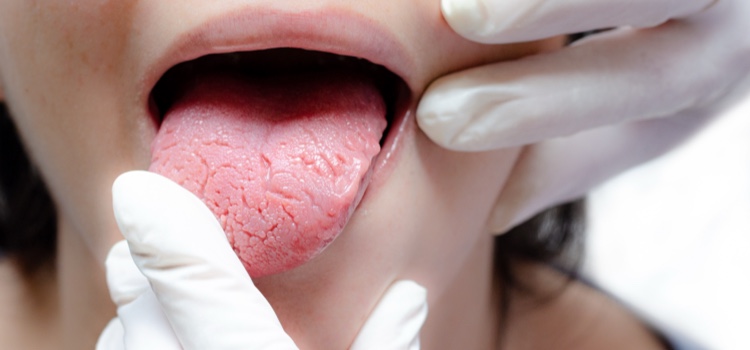
Glossitis—characterized by a swollen, red, or a smooth tongue—can be uncomfortable and sometimes painful. While it may be caused by a variety of reasons like infections, allergies, or deficiencies, one thing remains constant: maintaining excellent oral hygiene is crucial to managing symptoms and preventing further irritation.
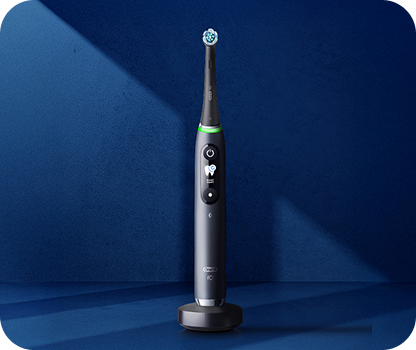
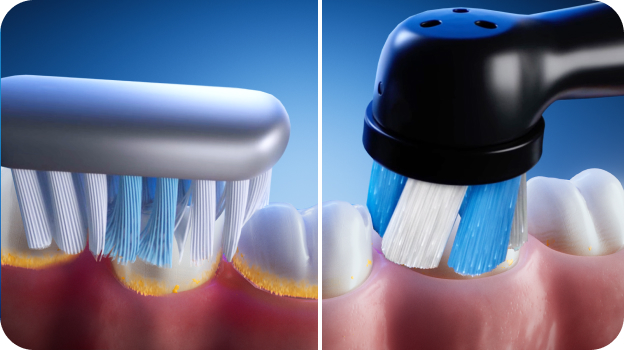
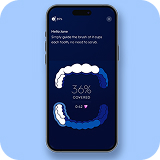
The Oral-B iO Series of electric toothbrushes offers effective yet gentle care, helping to keep your mouth clean.
Oral-B is committed to helping you take control of your oral health every day. That means brushing consistently, using effective tools, and most importantly, visiting your dentist or dental hygienist for regular check-ups. Together, these steps ensure that underlying issues are caught early, and your oral environment stays as healthy as possible.